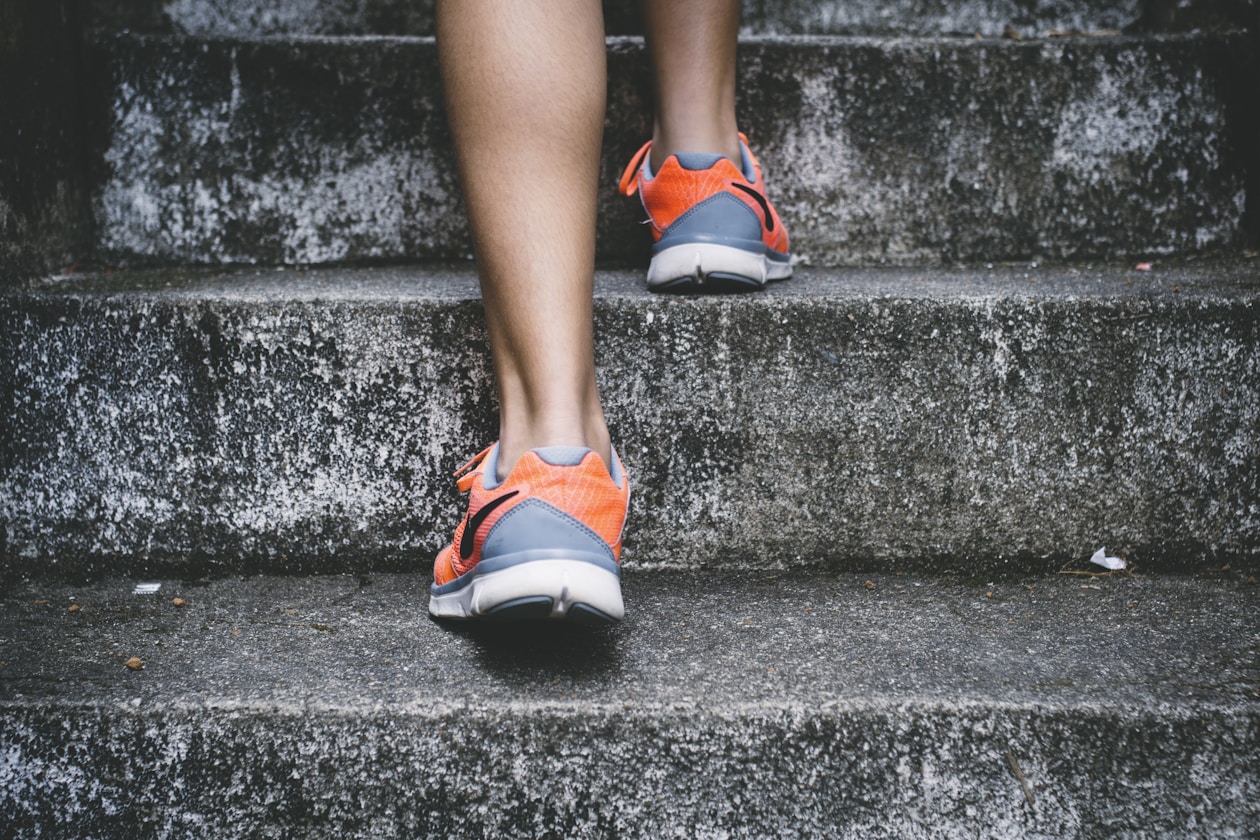
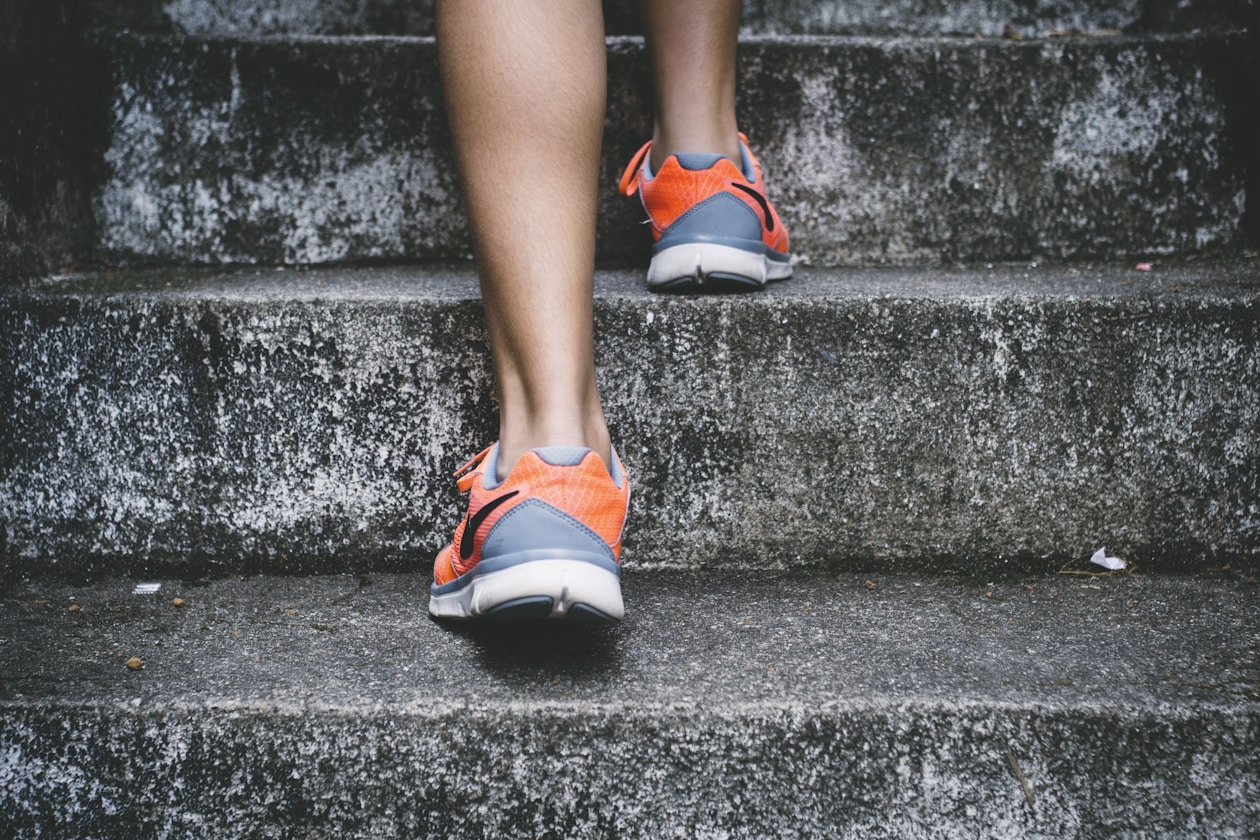
Healthy habits for incline walking for weight loss.
When I first started researching incline walking for weight loss, I realized there was a lot of conflicting advice out there. Some people swear by extreme methods. Others promise shortcuts. But after years of trial, error, and finally finding what works, I can tell you that sustainable weight loss comes down to a few simple, proven principles.
In this guide, I will walk you through exactly what you need to know about incline walking for weight loss, what actually works, what to avoid, and how to get started without feeling overwhelmed.
Medical note: This article is for general educational purposes only. It is not medical advice. If you have a medical condition, take medication, are pregnant, have a history of disordered eating, or are unsure what is safe for you, speak with a qualified healthcare professional before making changes.
Quick Answer
The short answer is yes, incline walking for weight loss works when you combine balanced eating, regular movement, quality sleep, and patience. Most people see meaningful results within 4 to 8 weeks of consistent effort.
Tester Favourite
PhenQ Weight Management Formula
– 60-day return window from the date of receipt
– 5-in-1 formula bringing several mechanisms in one capsule
TODAY: Multi-pack savings and free delivery on every order
Why incline walking for weight loss Matters
Many people approach weight loss with an all-or-nothing mindset. They either go all in on a restrictive diet or give up entirely. The truth is that lasting change happens in the middle ground. Understanding incline walking for weight loss means learning how your body actually works and giving it what it needs to release stored fat safely.
How It Works
At the most basic level, weight loss happens when your body burns more energy than it takes in. But the quality of your food, your sleep, your stress levels, and your daily movement all play a role in how efficiently that happens.
Balanced nutrition: Prioritize protein, fiber, and whole foods while reducing processed items
Consistent movement: Even light daily activity helps regulate appetite and metabolism
Adequate sleep: 7 to 9 hours helps control hunger hormones and cravings
Stress management: High cortisol can make weight loss harder, so finding healthy outlets matters
Hydration: Drinking water before meals and throughout the day supports natural appetite control
Potential Benefits
1. Sustainable Energy
Unlike crash diets that leave you exhausted, a balanced approach to incline walking for weight loss keeps your energy steady throughout the day. You can work, exercise, and enjoy life without feeling drained.
2. Better Health Markers
Even modest weight loss can improve blood pressure, cholesterol, blood sugar, and joint health. The benefits go far beyond the number on the scale.
3. Confidence and Mental Clarity
When you stop battling your body and start working with it, something shifts mentally. You feel more in control, more capable, and less stressed about food.
Possible Downsides and Safety Notes
Slower results: Sustainable weight loss takes time. If you want instant results, this approach requires patience.
Plateaus: It is normal for weight loss to slow or stall for weeks at a time. This does not mean you are failing.
Social pressure: Friends and family may not understand why you are not following the latest trend.
Adjustment period: Changing habits takes time. The first two to four weeks are often the hardest.
Who This Approach Is Best For
Great fit for:
Beginners who want a clear starting point
People who have tried extreme diets and regained the weight
Anyone who wants to improve health without obsession
Busy people who need a flexible plan
May not suit:
People preparing for a competition or event with a tight deadline
Those with medical conditions requiring supervised rapid loss
Anyone unwilling to commit to consistency
How I Would Approach It
Step 1: Build Your Plate Around Protein and Vegetables
Make protein and veggies the stars of every meal. Add healthy fats and carbs as supporting actors. This simple framework naturally reduces calories while keeping you full.
Step 2: Move Daily in a Way You Enjoy
You do not need to love the gym. Walk, dance, swim, garden, or play with your kids. Consistency beats intensity every time.
Step 3: Sleep Like It Is Part of Your Diet
Because it is. Poor sleep increases hunger and cravings. Aim for 7 to 9 hours and protect your bedtime like an appointment.
Step 4: Track Progress Beyond the Scale
Photos, measurements, energy levels, and how your clothes fit tell a more complete story than weight alone.
Daily movement and walking as part of incline walking for weight loss.
Quick Comparison Table
Factor
What to Know
Best for
People seeking sustainable, long-term weight loss
Main benefit
Builds habits that last without extreme restriction
Biggest limitation
Results are slower than crash diets or extreme plans
Difficulty level
Easy to Moderate
Time to notice changes
2 to 4 weeks for energy; 4 to 8 weeks for visible results
Safety note
Consult a healthcare professional if you have medical conditions
Best paired with
Meal planning, daily walking, and stress management
My take
The most reliable path to lasting results
Common Mistakes to Avoid
Mistake 1: Expecting Linear Progress
Weight fluctuates daily due to water, salt, hormones, and digestion. A single bad day means nothing. Look at trends over weeks, not days.
Mistake 2: Cutting Too Many Calories Too Fast
Drastic restriction backfires. Your metabolism adapts, your hunger surges, and your willpower crumbles. A modest deficit is more effective long term.
Mistake 3: Ignoring Liquid Calories
Sodas, juices, fancy coffees, and alcohol add up fast. They rarely make you feel full. Water, tea, and black coffee are safer bets.
Mistake 4: Comparing Your Chapter 1 to Someone Else’s Chapter 20
Everyone starts somewhere. Your journey is yours. Focus on your own progress instead of Instagram transformations.
Mistake 5: Giving Up After One Bad Meal or Day
One off-plan meal does not ruin your progress. One off-plan weekend does not either. Consistency over time is what creates change.
What Do Reviews or Experiences Say?
After researching hundreds of personal stories, here is what stands out:
Positive experiences often mention:
Feeling less obsessed with food
Having more energy for daily life
Not feeling deprived or hungry all the time
Finally keeping the weight off
Negative experiences often mention:
Impatience with the pace of results
Struggling to stay consistent during stressful periods
Feeling unsupported by friends or family
The bottom line: people who succeed with incline walking for weight loss are the ones who commit to the process, not just the outcome.
Alternatives to Consider
Alternative
Best For
Why It May Help
Calorie tracking
People who like data
Provides precise control over intake
Intermittent fasting
People who prefer eating windows
Reduces snacking and simplifies meal planning
Meal delivery services
Very busy schedules
Takes cooking and planning off your plate
Working with a dietitian
Medical conditions or confusion
Provides personalized, professional guidance
My Honest Verdict
If you are serious about incline walking for weight loss, the key is patience and consistency. There is no magic solution. There is no shortcut. But there is a proven path, and it starts with simple habits repeated daily.
I believe anyone can achieve their weight loss goals if they stop chasing perfection and start embracing progress.
Frequently Asked Questions
Is incline walking for weight loss possible?
Yes, with the right combination of nutrition, sleep, stress management, and daily habits, incline walking for weight loss is absolutely achievable for most people.
How long does it take to see results?
Most people notice improved energy within 2 to 4 weeks. Visible weight loss typically appears within 4 to 8 weeks of consistent effort.
Do I need to count calories?
Not necessarily. Many people lose weight by focusing on whole foods, portion awareness, and mindful eating without strict calorie counting.
What if I hit a plateau?
Plateaus are normal. Try adjusting your portions, increasing daily movement, improving sleep, or managing stress. Small tweaks often restart progress.
Can I do this if I have a medical condition?
If you have a medical condition, are pregnant, or take medication, consult a qualified healthcare professional before starting any weight loss plan.
incline walking for weight loss is not about finding a secret weapon. It is about returning to basics. Real food. Real movement. Real sleep. Real consistency.
You do not need to be perfect. You just need to keep showing up. Start with one small change today, and let the momentum build from there.
Outdoor activity for treadmill walking for weight loss.
When I first started researching treadmill walking for weight loss, I realized there was a lot of conflicting advice out there. Some people swear by extreme methods. Others promise shortcuts. But after years of trial, error, and finally finding what works, I can tell you that sustainable weight loss comes down to a few simple, proven principles.
In this guide, I will walk you through exactly what you need to know about treadmill walking for weight loss, what actually works, what to avoid, and how to get started without feeling overwhelmed.
Medical note: This article is for general educational purposes only. It is not medical advice. If you have a medical condition, take medication, are pregnant, have a history of disordered eating, or are unsure what is safe for you, speak with a qualified healthcare professional before making changes.
Quick Answer
treadmill walking for weight loss is absolutely possible when you focus on creating a modest calorie deficit through balanced nutrition, consistent habits, adequate sleep, and stress management. For most people, this leads to a steady weight loss of about 1 to 2 pounds per week without extreme measures or unsafe restrictions.
Editor's Top Choice
PhenQ Weight Management Formula
– Made with capsicum, chromium, L-carnitine and caffeine
– 5-in-1 formula bringing several mechanisms in one capsule
TODAY: Multi-pack savings and free delivery on every order
Why treadmill walking for weight loss Matters
Many people approach weight loss with an all-or-nothing mindset. They either go all in on a restrictive diet or give up entirely. The truth is that lasting change happens in the middle ground. Understanding treadmill walking for weight loss means learning how your body actually works and giving it what it needs to release stored fat safely.
How It Works
At the most basic level, weight loss happens when your body burns more energy than it takes in. But the quality of your food, your sleep, your stress levels, and your daily movement all play a role in how efficiently that happens.
Balanced nutrition: Prioritize protein, fiber, and whole foods while reducing processed items
Consistent movement: Even light daily activity helps regulate appetite and metabolism
Adequate sleep: 7 to 9 hours helps control hunger hormones and cravings
Stress management: High cortisol can make weight loss harder, so finding healthy outlets matters
Hydration: Drinking water before meals and throughout the day supports natural appetite control
Potential Benefits
1. Sustainable Energy
Unlike crash diets that leave you exhausted, a balanced approach to treadmill walking for weight loss keeps your energy steady throughout the day. You can work, exercise, and enjoy life without feeling drained.
2. Better Health Markers
Even modest weight loss can improve blood pressure, cholesterol, blood sugar, and joint health. The benefits go far beyond the number on the scale.
3. Confidence and Mental Clarity
When you stop battling your body and start working with it, something shifts mentally. You feel more in control, more capable, and less stressed about food.
Possible Downsides and Safety Notes
Slower results: Sustainable weight loss takes time. If you want instant results, this approach requires patience.
Plateaus: It is normal for weight loss to slow or stall for weeks at a time. This does not mean you are failing.
Social pressure: Friends and family may not understand why you are not following the latest trend.
Adjustment period: Changing habits takes time. The first two to four weeks are often the hardest.
Who This Approach Is Best For
Great fit for:
Beginners who want a clear starting point
People who have tried extreme diets and regained the weight
Anyone who wants to improve health without obsession
Busy people who need a flexible plan
May not suit:
People preparing for a competition or event with a tight deadline
Those with medical conditions requiring supervised rapid loss
Anyone unwilling to commit to consistency
How I Would Approach It
Step 1: Build Your Plate Around Protein and Vegetables
Make protein and veggies the stars of every meal. Add healthy fats and carbs as supporting actors. This simple framework naturally reduces calories while keeping you full.
Step 2: Move Daily in a Way You Enjoy
You do not need to love the gym. Walk, dance, swim, garden, or play with your kids. Consistency beats intensity every time.
Step 3: Sleep Like It Is Part of Your Diet
Because it is. Poor sleep increases hunger and cravings. Aim for 7 to 9 hours and protect your bedtime like an appointment.
Step 4: Track Progress Beyond the Scale
Photos, measurements, energy levels, and how your clothes fit tell a more complete story than weight alone.
Daily movement and walking as part of treadmill walking for weight loss.
Quick Comparison Table
Factor
What to Know
Best for
People seeking sustainable, long-term weight loss
Main benefit
Builds habits that last without extreme restriction
Biggest limitation
Results are slower than crash diets or extreme plans
Difficulty level
Easy to Moderate
Time to notice changes
2 to 4 weeks for energy; 4 to 8 weeks for visible results
Safety note
Consult a healthcare professional if you have medical conditions
Best paired with
Meal planning, daily walking, and stress management
My take
The most reliable path to lasting results
Common Mistakes to Avoid
Mistake 1: Expecting Linear Progress
Weight fluctuates daily due to water, salt, hormones, and digestion. A single bad day means nothing. Look at trends over weeks, not days.
Mistake 2: Cutting Too Many Calories Too Fast
Drastic restriction backfires. Your metabolism adapts, your hunger surges, and your willpower crumbles. A modest deficit is more effective long term.
Mistake 3: Ignoring Liquid Calories
Sodas, juices, fancy coffees, and alcohol add up fast. They rarely make you feel full. Water, tea, and black coffee are safer bets.
Mistake 4: Comparing Your Chapter 1 to Someone Else’s Chapter 20
Everyone starts somewhere. Your journey is yours. Focus on your own progress instead of Instagram transformations.
Mistake 5: Giving Up After One Bad Meal or Day
One off-plan meal does not ruin your progress. One off-plan weekend does not either. Consistency over time is what creates change.
What Do Reviews or Experiences Say?
After researching hundreds of personal stories, here is what stands out:
Positive experiences often mention:
Feeling less obsessed with food
Having more energy for daily life
Not feeling deprived or hungry all the time
Finally keeping the weight off
Negative experiences often mention:
Impatience with the pace of results
Struggling to stay consistent during stressful periods
Feeling unsupported by friends or family
The bottom line: people who succeed with treadmill walking for weight loss are the ones who commit to the process, not just the outcome.
Alternatives to Consider
Alternative
Best For
Why It May Help
Calorie tracking
People who like data
Provides precise control over intake
Intermittent fasting
People who prefer eating windows
Reduces snacking and simplifies meal planning
Meal delivery services
Very busy schedules
Takes cooking and planning off your plate
Working with a dietitian
Medical conditions or confusion
Provides personalized, professional guidance
My Honest Verdict
If you are serious about treadmill walking for weight loss, the key is patience and consistency. There is no magic solution. There is no shortcut. But there is a proven path, and it starts with simple habits repeated daily.
I believe anyone can achieve their weight loss goals if they stop chasing perfection and start embracing progress.
Frequently Asked Questions
Is treadmill walking for weight loss possible?
Yes, with the right combination of nutrition, sleep, stress management, and daily habits, treadmill walking for weight loss is absolutely achievable for most people.
How long does it take to see results?
Most people notice improved energy within 2 to 4 weeks. Visible weight loss typically appears within 4 to 8 weeks of consistent effort.
Do I need to count calories?
Not necessarily. Many people lose weight by focusing on whole foods, portion awareness, and mindful eating without strict calorie counting.
What if I hit a plateau?
Plateaus are normal. Try adjusting your portions, increasing daily movement, improving sleep, or managing stress. Small tweaks often restart progress.
Can I do this if I have a medical condition?
If you have a medical condition, are pregnant, or take medication, consult a qualified healthcare professional before starting any weight loss plan.
treadmill walking for weight loss is not about finding a secret weapon. It is about returning to basics. Real food. Real movement. Real sleep. Real consistency.
You do not need to be perfect. You just need to keep showing up. Start with one small change today, and let the momentum build from there.
Fitness routine for walking plan for weight loss.
If you have been searching for honest information about walking plan for weight loss, you are not alone. I spent months sorting through hype and misinformation before I found what actually works. In this guide, I will share everything I learned so you do not have to waste time figuring it out yourself.
In this guide, I will walk you through exactly what you need to know about walking plan for weight loss, what actually works, what to avoid, and how to get started without feeling overwhelmed.
Medical note: This article is for general educational purposes only. It is not medical advice. If you have a medical condition, take medication, are pregnant, have a history of disordered eating, or are unsure what is safe for you, speak with a qualified healthcare professional before making changes.
Quick Answer
The short answer is yes, walking plan for weight loss works when you combine balanced eating, regular movement, quality sleep, and patience. Most people see meaningful results within 4 to 8 weeks of consistent effort.
Best Value Pick
PhenQ Multi-Action Weight Support
– Made with capsicum, chromium, L-carnitine and caffeine
– 60-day return window from the date of receipt
– Manufactured in FDA-registered, GMP-certified facilities
Many people approach weight loss with an all-or-nothing mindset. They either go all in on a restrictive diet or give up entirely. The truth is that lasting change happens in the middle ground. Understanding walking plan for weight loss means learning how your body actually works and giving it what it needs to release stored fat safely.
How It Works
At the most basic level, weight loss happens when your body burns more energy than it takes in. But the quality of your food, your sleep, your stress levels, and your daily movement all play a role in how efficiently that happens.
Balanced nutrition: Prioritize protein, fiber, and whole foods while reducing processed items
Consistent movement: Even light daily activity helps regulate appetite and metabolism
Adequate sleep: 7 to 9 hours helps control hunger hormones and cravings
Stress management: High cortisol can make weight loss harder, so finding healthy outlets matters
Hydration: Drinking water before meals and throughout the day supports natural appetite control
Potential Benefits
1. Sustainable Energy
Unlike crash diets that leave you exhausted, a balanced approach to walking plan for weight loss keeps your energy steady throughout the day. You can work, exercise, and enjoy life without feeling drained.
2. Better Health Markers
Even modest weight loss can improve blood pressure, cholesterol, blood sugar, and joint health. The benefits go far beyond the number on the scale.
3. Confidence and Mental Clarity
When you stop battling your body and start working with it, something shifts mentally. You feel more in control, more capable, and less stressed about food.
Possible Downsides and Safety Notes
Slower results: Sustainable weight loss takes time. If you want instant results, this approach requires patience.
Plateaus: It is normal for weight loss to slow or stall for weeks at a time. This does not mean you are failing.
Social pressure: Friends and family may not understand why you are not following the latest trend.
Adjustment period: Changing habits takes time. The first two to four weeks are often the hardest.
Who This Approach Is Best For
Great fit for:
Beginners who want a clear starting point
People who have tried extreme diets and regained the weight
Anyone who wants to improve health without obsession
Busy people who need a flexible plan
May not suit:
People preparing for a competition or event with a tight deadline
Those with medical conditions requiring supervised rapid loss
Anyone unwilling to commit to consistency
How I Would Approach It
Step 1: Build Your Plate Around Protein and Vegetables
Make protein and veggies the stars of every meal. Add healthy fats and carbs as supporting actors. This simple framework naturally reduces calories while keeping you full.
Step 2: Move Daily in a Way You Enjoy
You do not need to love the gym. Walk, dance, swim, garden, or play with your kids. Consistency beats intensity every time.
Step 3: Sleep Like It Is Part of Your Diet
Because it is. Poor sleep increases hunger and cravings. Aim for 7 to 9 hours and protect your bedtime like an appointment.
Step 4: Track Progress Beyond the Scale
Photos, measurements, energy levels, and how your clothes fit tell a more complete story than weight alone.
Daily movement and walking as part of walking plan for weight loss.
Quick Comparison Table
Factor
What to Know
Best for
People seeking sustainable, long-term weight loss
Main benefit
Builds habits that last without extreme restriction
Biggest limitation
Results are slower than crash diets or extreme plans
Difficulty level
Easy to Moderate
Time to notice changes
2 to 4 weeks for energy; 4 to 8 weeks for visible results
Safety note
Consult a healthcare professional if you have medical conditions
Best paired with
Meal planning, daily walking, and stress management
My take
The most reliable path to lasting results
Common Mistakes to Avoid
Mistake 1: Expecting Linear Progress
Weight fluctuates daily due to water, salt, hormones, and digestion. A single bad day means nothing. Look at trends over weeks, not days.
Mistake 2: Cutting Too Many Calories Too Fast
Drastic restriction backfires. Your metabolism adapts, your hunger surges, and your willpower crumbles. A modest deficit is more effective long term.
Mistake 3: Ignoring Liquid Calories
Sodas, juices, fancy coffees, and alcohol add up fast. They rarely make you feel full. Water, tea, and black coffee are safer bets.
Mistake 4: Comparing Your Chapter 1 to Someone Else’s Chapter 20
Everyone starts somewhere. Your journey is yours. Focus on your own progress instead of Instagram transformations.
Mistake 5: Giving Up After One Bad Meal or Day
One off-plan meal does not ruin your progress. One off-plan weekend does not either. Consistency over time is what creates change.
What Do Reviews or Experiences Say?
After researching hundreds of personal stories, here is what stands out:
Positive experiences often mention:
Feeling less obsessed with food
Having more energy for daily life
Not feeling deprived or hungry all the time
Finally keeping the weight off
Negative experiences often mention:
Impatience with the pace of results
Struggling to stay consistent during stressful periods
Feeling unsupported by friends or family
The bottom line: people who succeed with walking plan for weight loss are the ones who commit to the process, not just the outcome.
Alternatives to Consider
Alternative
Best For
Why It May Help
Calorie tracking
People who like data
Provides precise control over intake
Intermittent fasting
People who prefer eating windows
Reduces snacking and simplifies meal planning
Meal delivery services
Very busy schedules
Takes cooking and planning off your plate
Working with a dietitian
Medical conditions or confusion
Provides personalized, professional guidance
My Honest Verdict
If you are serious about walking plan for weight loss, the key is patience and consistency. There is no magic solution. There is no shortcut. But there is a proven path, and it starts with simple habits repeated daily.
I believe anyone can achieve their weight loss goals if they stop chasing perfection and start embracing progress.
Frequently Asked Questions
Is walking plan for weight loss possible?
Yes, with the right combination of nutrition, sleep, stress management, and daily habits, walking plan for weight loss is absolutely achievable for most people.
How long does it take to see results?
Most people notice improved energy within 2 to 4 weeks. Visible weight loss typically appears within 4 to 8 weeks of consistent effort.
Do I need to count calories?
Not necessarily. Many people lose weight by focusing on whole foods, portion awareness, and mindful eating without strict calorie counting.
What if I hit a plateau?
Plateaus are normal. Try adjusting your portions, increasing daily movement, improving sleep, or managing stress. Small tweaks often restart progress.
Can I do this if I have a medical condition?
If you have a medical condition, are pregnant, or take medication, consult a qualified healthcare professional before starting any weight loss plan.
walking plan for weight loss is not about finding a secret weapon. It is about returning to basics. Real food. Real movement. Real sleep. Real consistency.
You do not need to be perfect. You just need to keep showing up. Start with one small change today, and let the momentum build from there.
Fitness routine for walking 1 hour a day weight loss.
If you have been searching for honest information about walking 1 hour a day weight loss, you are not alone. I spent months sorting through hype and misinformation before I found what actually works. In this guide, I will share everything I learned so you do not have to waste time figuring it out yourself.
In this guide, I will walk you through exactly what you need to know about walking 1 hour a day weight loss, what actually works, what to avoid, and how to get started without feeling overwhelmed.
Medical note: This article is for general educational purposes only. It is not medical advice. If you have a medical condition, take medication, are pregnant, have a history of disordered eating, or are unsure what is safe for you, speak with a qualified healthcare professional before making changes.
Quick Answer
walking 1 hour a day weight loss is absolutely possible when you focus on creating a modest calorie deficit through balanced nutrition, consistent habits, adequate sleep, and stress management. For most people, this leads to a steady weight loss of about 1 to 2 pounds per week without extreme measures or unsafe restrictions.
Recommended After Review
PhenQ 5-in-1 Slimming Formula
– Free global delivery on every order direct from the brand
– Manufactured in FDA-registered, GMP-certified facilities
– Combined approach targets appetite, energy and calorie burn
ONGOING: Manufacturer's 60-day money-back guarantee on each purchase
Why walking 1 hour a day weight loss Matters
Many people approach weight loss with an all-or-nothing mindset. They either go all in on a restrictive diet or give up entirely. The truth is that lasting change happens in the middle ground. Understanding walking 1 hour a day weight loss means learning how your body actually works and giving it what it needs to release stored fat safely.
How It Works
At the most basic level, weight loss happens when your body burns more energy than it takes in. But the quality of your food, your sleep, your stress levels, and your daily movement all play a role in how efficiently that happens.
Balanced nutrition: Prioritize protein, fiber, and whole foods while reducing processed items
Consistent movement: Even light daily activity helps regulate appetite and metabolism
Adequate sleep: 7 to 9 hours helps control hunger hormones and cravings
Stress management: High cortisol can make weight loss harder, so finding healthy outlets matters
Hydration: Drinking water before meals and throughout the day supports natural appetite control
Potential Benefits
1. Sustainable Energy
Unlike crash diets that leave you exhausted, a balanced approach to walking 1 hour a day weight loss keeps your energy steady throughout the day. You can work, exercise, and enjoy life without feeling drained.
2. Better Health Markers
Even modest weight loss can improve blood pressure, cholesterol, blood sugar, and joint health. The benefits go far beyond the number on the scale.
3. Confidence and Mental Clarity
When you stop battling your body and start working with it, something shifts mentally. You feel more in control, more capable, and less stressed about food.
Possible Downsides and Safety Notes
Slower results: Sustainable weight loss takes time. If you want instant results, this approach requires patience.
Plateaus: It is normal for weight loss to slow or stall for weeks at a time. This does not mean you are failing.
Social pressure: Friends and family may not understand why you are not following the latest trend.
Adjustment period: Changing habits takes time. The first two to four weeks are often the hardest.
Who This Approach Is Best For
Great fit for:
Beginners who want a clear starting point
People who have tried extreme diets and regained the weight
Anyone who wants to improve health without obsession
Busy people who need a flexible plan
May not suit:
People preparing for a competition or event with a tight deadline
Those with medical conditions requiring supervised rapid loss
Anyone unwilling to commit to consistency
How I Would Approach It
Step 1: Build Your Plate Around Protein and Vegetables
Make protein and veggies the stars of every meal. Add healthy fats and carbs as supporting actors. This simple framework naturally reduces calories while keeping you full.
Step 2: Move Daily in a Way You Enjoy
You do not need to love the gym. Walk, dance, swim, garden, or play with your kids. Consistency beats intensity every time.
Step 3: Sleep Like It Is Part of Your Diet
Because it is. Poor sleep increases hunger and cravings. Aim for 7 to 9 hours and protect your bedtime like an appointment.
Step 4: Track Progress Beyond the Scale
Photos, measurements, energy levels, and how your clothes fit tell a more complete story than weight alone.
Daily movement and walking as part of walking 1 hour a day weight loss.
Quick Comparison Table
Factor
What to Know
Best for
People seeking sustainable, long-term weight loss
Main benefit
Builds habits that last without extreme restriction
Biggest limitation
Results are slower than crash diets or extreme plans
Difficulty level
Easy to Moderate
Time to notice changes
2 to 4 weeks for energy; 4 to 8 weeks for visible results
Safety note
Consult a healthcare professional if you have medical conditions
Best paired with
Meal planning, daily walking, and stress management
My take
The most reliable path to lasting results
Common Mistakes to Avoid
Mistake 1: Expecting Linear Progress
Weight fluctuates daily due to water, salt, hormones, and digestion. A single bad day means nothing. Look at trends over weeks, not days.
Mistake 2: Cutting Too Many Calories Too Fast
Drastic restriction backfires. Your metabolism adapts, your hunger surges, and your willpower crumbles. A modest deficit is more effective long term.
Mistake 3: Ignoring Liquid Calories
Sodas, juices, fancy coffees, and alcohol add up fast. They rarely make you feel full. Water, tea, and black coffee are safer bets.
Mistake 4: Comparing Your Chapter 1 to Someone Else’s Chapter 20
Everyone starts somewhere. Your journey is yours. Focus on your own progress instead of Instagram transformations.
Mistake 5: Giving Up After One Bad Meal or Day
One off-plan meal does not ruin your progress. One off-plan weekend does not either. Consistency over time is what creates change.
What Do Reviews or Experiences Say?
After researching hundreds of personal stories, here is what stands out:
Positive experiences often mention:
Feeling less obsessed with food
Having more energy for daily life
Not feeling deprived or hungry all the time
Finally keeping the weight off
Negative experiences often mention:
Impatience with the pace of results
Struggling to stay consistent during stressful periods
Feeling unsupported by friends or family
The bottom line: people who succeed with walking 1 hour a day weight loss are the ones who commit to the process, not just the outcome.
Alternatives to Consider
Alternative
Best For
Why It May Help
Calorie tracking
People who like data
Provides precise control over intake
Intermittent fasting
People who prefer eating windows
Reduces snacking and simplifies meal planning
Meal delivery services
Very busy schedules
Takes cooking and planning off your plate
Working with a dietitian
Medical conditions or confusion
Provides personalized, professional guidance
My Honest Verdict
If you are serious about walking 1 hour a day weight loss, the key is patience and consistency. There is no magic solution. There is no shortcut. But there is a proven path, and it starts with simple habits repeated daily.
I believe anyone can achieve their weight loss goals if they stop chasing perfection and start embracing progress.
Frequently Asked Questions
Is walking 1 hour a day weight loss possible?
Yes, with the right combination of nutrition, sleep, stress management, and daily habits, walking 1 hour a day weight loss is absolutely achievable for most people.
How long does it take to see results?
Most people notice improved energy within 2 to 4 weeks. Visible weight loss typically appears within 4 to 8 weeks of consistent effort.
Do I need to count calories?
Not necessarily. Many people lose weight by focusing on whole foods, portion awareness, and mindful eating without strict calorie counting.
What if I hit a plateau?
Plateaus are normal. Try adjusting your portions, increasing daily movement, improving sleep, or managing stress. Small tweaks often restart progress.
Can I do this if I have a medical condition?
If you have a medical condition, are pregnant, or take medication, consult a qualified healthcare professional before starting any weight loss plan.
walking 1 hour a day weight loss is not about finding a secret weapon. It is about returning to basics. Real food. Real movement. Real sleep. Real consistency.
You do not need to be perfect. You just need to keep showing up. Start with one small change today, and let the momentum build from there.
Daily movement for walking 30 minutes a day weight loss.
If you have been searching for honest information about walking 30 minutes a day weight loss, you are not alone. I spent months sorting through hype and misinformation before I found what actually works. In this guide, I will share everything I learned so you do not have to waste time figuring it out yourself.
In this guide, I will walk you through exactly what you need to know about walking 30 minutes a day weight loss, what actually works, what to avoid, and how to get started without feeling overwhelmed.
Medical note: This article is for general educational purposes only. It is not medical advice. If you have a medical condition, take medication, are pregnant, have a history of disordered eating, or are unsure what is safe for you, speak with a qualified healthcare professional before making changes.
Quick Answer
walking 30 minutes a day weight loss is one of the most effective approaches when you prioritize whole foods, protein, fiber, and daily movement. It is not about perfection. It is about consistency over time.
Tester Favourite
PhenQ Multi-Action Weight Support
– Multi-action formula supports metabolism and energy
– 5-in-1 formula bringing several mechanisms in one capsule
ONGOING: Manufacturer's 60-day money-back guarantee on each purchase
Why walking 30 minutes a day weight loss Matters
Many people approach weight loss with an all-or-nothing mindset. They either go all in on a restrictive diet or give up entirely. The truth is that lasting change happens in the middle ground. Understanding walking 30 minutes a day weight loss means learning how your body actually works and giving it what it needs to release stored fat safely.
How It Works
At the most basic level, weight loss happens when your body burns more energy than it takes in. But the quality of your food, your sleep, your stress levels, and your daily movement all play a role in how efficiently that happens.
Balanced nutrition: Prioritize protein, fiber, and whole foods while reducing processed items
Consistent movement: Even light daily activity helps regulate appetite and metabolism
Adequate sleep: 7 to 9 hours helps control hunger hormones and cravings
Stress management: High cortisol can make weight loss harder, so finding healthy outlets matters
Hydration: Drinking water before meals and throughout the day supports natural appetite control
Potential Benefits
1. Sustainable Energy
Unlike crash diets that leave you exhausted, a balanced approach to walking 30 minutes a day weight loss keeps your energy steady throughout the day. You can work, exercise, and enjoy life without feeling drained.
2. Better Health Markers
Even modest weight loss can improve blood pressure, cholesterol, blood sugar, and joint health. The benefits go far beyond the number on the scale.
3. Confidence and Mental Clarity
When you stop battling your body and start working with it, something shifts mentally. You feel more in control, more capable, and less stressed about food.
Possible Downsides and Safety Notes
Slower results: Sustainable weight loss takes time. If you want instant results, this approach requires patience.
Plateaus: It is normal for weight loss to slow or stall for weeks at a time. This does not mean you are failing.
Social pressure: Friends and family may not understand why you are not following the latest trend.
Adjustment period: Changing habits takes time. The first two to four weeks are often the hardest.
Who This Approach Is Best For
Great fit for:
Beginners who want a clear starting point
People who have tried extreme diets and regained the weight
Anyone who wants to improve health without obsession
Busy people who need a flexible plan
May not suit:
People preparing for a competition or event with a tight deadline
Those with medical conditions requiring supervised rapid loss
Anyone unwilling to commit to consistency
How I Would Approach It
Step 1: Build Your Plate Around Protein and Vegetables
Make protein and veggies the stars of every meal. Add healthy fats and carbs as supporting actors. This simple framework naturally reduces calories while keeping you full.
Step 2: Move Daily in a Way You Enjoy
You do not need to love the gym. Walk, dance, swim, garden, or play with your kids. Consistency beats intensity every time.
Step 3: Sleep Like It Is Part of Your Diet
Because it is. Poor sleep increases hunger and cravings. Aim for 7 to 9 hours and protect your bedtime like an appointment.
Step 4: Track Progress Beyond the Scale
Photos, measurements, energy levels, and how your clothes fit tell a more complete story than weight alone.
Daily movement and walking as part of walking 30 minutes a day weight loss.
Quick Comparison Table
Factor
What to Know
Best for
People seeking sustainable, long-term weight loss
Main benefit
Builds habits that last without extreme restriction
Biggest limitation
Results are slower than crash diets or extreme plans
Difficulty level
Easy to Moderate
Time to notice changes
2 to 4 weeks for energy; 4 to 8 weeks for visible results
Safety note
Consult a healthcare professional if you have medical conditions
Best paired with
Meal planning, daily walking, and stress management
My take
The most reliable path to lasting results
Common Mistakes to Avoid
Mistake 1: Expecting Linear Progress
Weight fluctuates daily due to water, salt, hormones, and digestion. A single bad day means nothing. Look at trends over weeks, not days.
Mistake 2: Cutting Too Many Calories Too Fast
Drastic restriction backfires. Your metabolism adapts, your hunger surges, and your willpower crumbles. A modest deficit is more effective long term.
Mistake 3: Ignoring Liquid Calories
Sodas, juices, fancy coffees, and alcohol add up fast. They rarely make you feel full. Water, tea, and black coffee are safer bets.
Mistake 4: Comparing Your Chapter 1 to Someone Else’s Chapter 20
Everyone starts somewhere. Your journey is yours. Focus on your own progress instead of Instagram transformations.
Mistake 5: Giving Up After One Bad Meal or Day
One off-plan meal does not ruin your progress. One off-plan weekend does not either. Consistency over time is what creates change.
What Do Reviews or Experiences Say?
After researching hundreds of personal stories, here is what stands out:
Positive experiences often mention:
Feeling less obsessed with food
Having more energy for daily life
Not feeling deprived or hungry all the time
Finally keeping the weight off
Negative experiences often mention:
Impatience with the pace of results
Struggling to stay consistent during stressful periods
Feeling unsupported by friends or family
The bottom line: people who succeed with walking 30 minutes a day weight loss are the ones who commit to the process, not just the outcome.
Alternatives to Consider
Alternative
Best For
Why It May Help
Calorie tracking
People who like data
Provides precise control over intake
Intermittent fasting
People who prefer eating windows
Reduces snacking and simplifies meal planning
Meal delivery services
Very busy schedules
Takes cooking and planning off your plate
Working with a dietitian
Medical conditions or confusion
Provides personalized, professional guidance
My Honest Verdict
If you are serious about walking 30 minutes a day weight loss, the key is patience and consistency. There is no magic solution. There is no shortcut. But there is a proven path, and it starts with simple habits repeated daily.
I believe anyone can achieve their weight loss goals if they stop chasing perfection and start embracing progress.
Frequently Asked Questions
Is walking 30 minutes a day weight loss possible?
Yes, with the right combination of nutrition, sleep, stress management, and daily habits, walking 30 minutes a day weight loss is absolutely achievable for most people.
How long does it take to see results?
Most people notice improved energy within 2 to 4 weeks. Visible weight loss typically appears within 4 to 8 weeks of consistent effort.
Do I need to count calories?
Not necessarily. Many people lose weight by focusing on whole foods, portion awareness, and mindful eating without strict calorie counting.
What if I hit a plateau?
Plateaus are normal. Try adjusting your portions, increasing daily movement, improving sleep, or managing stress. Small tweaks often restart progress.
Can I do this if I have a medical condition?
If you have a medical condition, are pregnant, or take medication, consult a qualified healthcare professional before starting any weight loss plan.
walking 30 minutes a day weight loss is not about finding a secret weapon. It is about returning to basics. Real food. Real movement. Real sleep. Real consistency.
You do not need to be perfect. You just need to keep showing up. Start with one small change today, and let the momentum build from there.
Healthy habits for 10000 steps a day weight loss.
When I first started researching 10000 steps a day weight loss, I realized there was a lot of conflicting advice out there. Some people swear by extreme methods. Others promise shortcuts. But after years of trial, error, and finally finding what works, I can tell you that sustainable weight loss comes down to a few simple, proven principles.
In this guide, I will walk you through exactly what you need to know about 10000 steps a day weight loss, what actually works, what to avoid, and how to get started without feeling overwhelmed.
Medical note: This article is for general educational purposes only. It is not medical advice. If you have a medical condition, take medication, are pregnant, have a history of disordered eating, or are unsure what is safe for you, speak with a qualified healthcare professional before making changes.
Quick Answer
10000 steps a day weight loss is one of the most effective approaches when you prioritize whole foods, protein, fiber, and daily movement. It is not about perfection. It is about consistency over time.
Best Value Pick
PhenQ 5-in-1 Slimming Formula
– Backed by science with a-Lacys Reset clinical study
CURRENT OFFER: Buy 3 get 2 free deals with free shipping worldwide
Why 10000 steps a day weight loss Matters
Many people approach weight loss with an all-or-nothing mindset. They either go all in on a restrictive diet or give up entirely. The truth is that lasting change happens in the middle ground. Understanding 10000 steps a day weight loss means learning how your body actually works and giving it what it needs to release stored fat safely.
How It Works
At the most basic level, weight loss happens when your body burns more energy than it takes in. But the quality of your food, your sleep, your stress levels, and your daily movement all play a role in how efficiently that happens.
Balanced nutrition: Prioritize protein, fiber, and whole foods while reducing processed items
Consistent movement: Even light daily activity helps regulate appetite and metabolism
Adequate sleep: 7 to 9 hours helps control hunger hormones and cravings
Stress management: High cortisol can make weight loss harder, so finding healthy outlets matters
Hydration: Drinking water before meals and throughout the day supports natural appetite control
Potential Benefits
1. Sustainable Energy
Unlike crash diets that leave you exhausted, a balanced approach to 10000 steps a day weight loss keeps your energy steady throughout the day. You can work, exercise, and enjoy life without feeling drained.
2. Better Health Markers
Even modest weight loss can improve blood pressure, cholesterol, blood sugar, and joint health. The benefits go far beyond the number on the scale.
3. Confidence and Mental Clarity
When you stop battling your body and start working with it, something shifts mentally. You feel more in control, more capable, and less stressed about food.
Possible Downsides and Safety Notes
Slower results: Sustainable weight loss takes time. If you want instant results, this approach requires patience.
Plateaus: It is normal for weight loss to slow or stall for weeks at a time. This does not mean you are failing.
Social pressure: Friends and family may not understand why you are not following the latest trend.
Adjustment period: Changing habits takes time. The first two to four weeks are often the hardest.
Who This Approach Is Best For
Great fit for:
Beginners who want a clear starting point
People who have tried extreme diets and regained the weight
Anyone who wants to improve health without obsession
Busy people who need a flexible plan
May not suit:
People preparing for a competition or event with a tight deadline
Those with medical conditions requiring supervised rapid loss
Anyone unwilling to commit to consistency
How I Would Approach It
Step 1: Build Your Plate Around Protein and Vegetables
Make protein and veggies the stars of every meal. Add healthy fats and carbs as supporting actors. This simple framework naturally reduces calories while keeping you full.
Step 2: Move Daily in a Way You Enjoy
You do not need to love the gym. Walk, dance, swim, garden, or play with your kids. Consistency beats intensity every time.
Step 3: Sleep Like It Is Part of Your Diet
Because it is. Poor sleep increases hunger and cravings. Aim for 7 to 9 hours and protect your bedtime like an appointment.
Step 4: Track Progress Beyond the Scale
Photos, measurements, energy levels, and how your clothes fit tell a more complete story than weight alone.
Daily movement and walking as part of 10000 steps a day weight loss.
Quick Comparison Table
Factor
What to Know
Best for
People seeking sustainable, long-term weight loss
Main benefit
Builds habits that last without extreme restriction
Biggest limitation
Results are slower than crash diets or extreme plans
Difficulty level
Easy to Moderate
Time to notice changes
2 to 4 weeks for energy; 4 to 8 weeks for visible results
Safety note
Consult a healthcare professional if you have medical conditions
Best paired with
Meal planning, daily walking, and stress management
My take
The most reliable path to lasting results
Common Mistakes to Avoid
Mistake 1: Expecting Linear Progress
Weight fluctuates daily due to water, salt, hormones, and digestion. A single bad day means nothing. Look at trends over weeks, not days.
Mistake 2: Cutting Too Many Calories Too Fast
Drastic restriction backfires. Your metabolism adapts, your hunger surges, and your willpower crumbles. A modest deficit is more effective long term.
Mistake 3: Ignoring Liquid Calories
Sodas, juices, fancy coffees, and alcohol add up fast. They rarely make you feel full. Water, tea, and black coffee are safer bets.
Mistake 4: Comparing Your Chapter 1 to Someone Else’s Chapter 20
Everyone starts somewhere. Your journey is yours. Focus on your own progress instead of Instagram transformations.
Mistake 5: Giving Up After One Bad Meal or Day
One off-plan meal does not ruin your progress. One off-plan weekend does not either. Consistency over time is what creates change.
What Do Reviews or Experiences Say?
After researching hundreds of personal stories, here is what stands out:
Positive experiences often mention:
Feeling less obsessed with food
Having more energy for daily life
Not feeling deprived or hungry all the time
Finally keeping the weight off
Negative experiences often mention:
Impatience with the pace of results
Struggling to stay consistent during stressful periods
Feeling unsupported by friends or family
The bottom line: people who succeed with 10000 steps a day weight loss are the ones who commit to the process, not just the outcome.
Alternatives to Consider
Alternative
Best For
Why It May Help
Calorie tracking
People who like data
Provides precise control over intake
Intermittent fasting
People who prefer eating windows
Reduces snacking and simplifies meal planning
Meal delivery services
Very busy schedules
Takes cooking and planning off your plate
Working with a dietitian
Medical conditions or confusion
Provides personalized, professional guidance
My Honest Verdict
If you are serious about 10000 steps a day weight loss, the key is patience and consistency. There is no magic solution. There is no shortcut. But there is a proven path, and it starts with simple habits repeated daily.
I believe anyone can achieve their weight loss goals if they stop chasing perfection and start embracing progress.
Frequently Asked Questions
Is 10000 steps a day weight loss possible?
Yes, with the right combination of nutrition, sleep, stress management, and daily habits, 10000 steps a day weight loss is absolutely achievable for most people.
How long does it take to see results?
Most people notice improved energy within 2 to 4 weeks. Visible weight loss typically appears within 4 to 8 weeks of consistent effort.
Do I need to count calories?
Not necessarily. Many people lose weight by focusing on whole foods, portion awareness, and mindful eating without strict calorie counting.
What if I hit a plateau?
Plateaus are normal. Try adjusting your portions, increasing daily movement, improving sleep, or managing stress. Small tweaks often restart progress.
Can I do this if I have a medical condition?
If you have a medical condition, are pregnant, or take medication, consult a qualified healthcare professional before starting any weight loss plan.
10000 steps a day weight loss is not about finding a secret weapon. It is about returning to basics. Real food. Real movement. Real sleep. Real consistency.
You do not need to be perfect. You just need to keep showing up. Start with one small change today, and let the momentum build from there.
Active lifestyle supporting how much walking to lose weight.
If you have been searching for honest information about how much walking to lose weight, you are not alone. I spent months sorting through hype and misinformation before I found what actually works. In this guide, I will share everything I learned so you do not have to waste time figuring it out yourself.
In this guide, I will walk you through exactly what you need to know about how much walking to lose weight, what actually works, what to avoid, and how to get started without feeling overwhelmed.
Medical note: This article is for general educational purposes only. It is not medical advice. If you have a medical condition, take medication, are pregnant, have a history of disordered eating, or are unsure what is safe for you, speak with a qualified healthcare professional before making changes.
Quick Answer
how much walking to lose weight is absolutely possible when you focus on creating a modest calorie deficit through balanced nutrition, consistent habits, adequate sleep, and stress management. For most people, this leads to a steady weight loss of about 1 to 2 pounds per week without extreme measures or unsafe restrictions.
Tester Favourite
PhenQ Weight Management Formula
– Vegan and vegetarian-friendly capsule formula
– Multi-action formula supports metabolism and energy
– Backed by science with a-Lacys Reset clinical study
Many people approach weight loss with an all-or-nothing mindset. They either go all in on a restrictive diet or give up entirely. The truth is that lasting change happens in the middle ground. Understanding how much walking to lose weight means learning how your body actually works and giving it what it needs to release stored fat safely.
How It Works
At the most basic level, weight loss happens when your body burns more energy than it takes in. But the quality of your food, your sleep, your stress levels, and your daily movement all play a role in how efficiently that happens.
Balanced nutrition: Prioritize protein, fiber, and whole foods while reducing processed items
Consistent movement: Even light daily activity helps regulate appetite and metabolism
Adequate sleep: 7 to 9 hours helps control hunger hormones and cravings
Stress management: High cortisol can make weight loss harder, so finding healthy outlets matters
Hydration: Drinking water before meals and throughout the day supports natural appetite control
Potential Benefits
1. Sustainable Energy
Unlike crash diets that leave you exhausted, a balanced approach to how much walking to lose weight keeps your energy steady throughout the day. You can work, exercise, and enjoy life without feeling drained.
2. Better Health Markers
Even modest weight loss can improve blood pressure, cholesterol, blood sugar, and joint health. The benefits go far beyond the number on the scale.
3. Confidence and Mental Clarity
When you stop battling your body and start working with it, something shifts mentally. You feel more in control, more capable, and less stressed about food.
Possible Downsides and Safety Notes
Slower results: Sustainable weight loss takes time. If you want instant results, this approach requires patience.
Plateaus: It is normal for weight loss to slow or stall for weeks at a time. This does not mean you are failing.
Social pressure: Friends and family may not understand why you are not following the latest trend.
Adjustment period: Changing habits takes time. The first two to four weeks are often the hardest.
Who This Approach Is Best For
Great fit for:
Beginners who want a clear starting point
People who have tried extreme diets and regained the weight
Anyone who wants to improve health without obsession
Busy people who need a flexible plan
May not suit:
People preparing for a competition or event with a tight deadline
Those with medical conditions requiring supervised rapid loss
Anyone unwilling to commit to consistency
How I Would Approach It
Step 1: Build Your Plate Around Protein and Vegetables
Make protein and veggies the stars of every meal. Add healthy fats and carbs as supporting actors. This simple framework naturally reduces calories while keeping you full.
Step 2: Move Daily in a Way You Enjoy
You do not need to love the gym. Walk, dance, swim, garden, or play with your kids. Consistency beats intensity every time.
Step 3: Sleep Like It Is Part of Your Diet
Because it is. Poor sleep increases hunger and cravings. Aim for 7 to 9 hours and protect your bedtime like an appointment.
Step 4: Track Progress Beyond the Scale
Photos, measurements, energy levels, and how your clothes fit tell a more complete story than weight alone.
Daily movement and walking as part of how much walking to lose weight.
Quick Comparison Table
Factor
What to Know
Best for
People seeking sustainable, long-term weight loss
Main benefit
Builds habits that last without extreme restriction
Biggest limitation
Results are slower than crash diets or extreme plans
Difficulty level
Easy to Moderate
Time to notice changes
2 to 4 weeks for energy; 4 to 8 weeks for visible results
Safety note
Consult a healthcare professional if you have medical conditions
Best paired with
Meal planning, daily walking, and stress management
My take
The most reliable path to lasting results
Common Mistakes to Avoid
Mistake 1: Expecting Linear Progress
Weight fluctuates daily due to water, salt, hormones, and digestion. A single bad day means nothing. Look at trends over weeks, not days.
Mistake 2: Cutting Too Many Calories Too Fast
Drastic restriction backfires. Your metabolism adapts, your hunger surges, and your willpower crumbles. A modest deficit is more effective long term.
Mistake 3: Ignoring Liquid Calories
Sodas, juices, fancy coffees, and alcohol add up fast. They rarely make you feel full. Water, tea, and black coffee are safer bets.
Mistake 4: Comparing Your Chapter 1 to Someone Else’s Chapter 20
Everyone starts somewhere. Your journey is yours. Focus on your own progress instead of Instagram transformations.
Mistake 5: Giving Up After One Bad Meal or Day
One off-plan meal does not ruin your progress. One off-plan weekend does not either. Consistency over time is what creates change.
What Do Reviews or Experiences Say?
After researching hundreds of personal stories, here is what stands out:
Positive experiences often mention:
Feeling less obsessed with food
Having more energy for daily life
Not feeling deprived or hungry all the time
Finally keeping the weight off
Negative experiences often mention:
Impatience with the pace of results
Struggling to stay consistent during stressful periods
Feeling unsupported by friends or family
The bottom line: people who succeed with how much walking to lose weight are the ones who commit to the process, not just the outcome.
Alternatives to Consider
Alternative
Best For
Why It May Help
Calorie tracking
People who like data
Provides precise control over intake
Intermittent fasting
People who prefer eating windows
Reduces snacking and simplifies meal planning
Meal delivery services
Very busy schedules
Takes cooking and planning off your plate
Working with a dietitian
Medical conditions or confusion
Provides personalized, professional guidance
My Honest Verdict
If you are serious about how much walking to lose weight, the key is patience and consistency. There is no magic solution. There is no shortcut. But there is a proven path, and it starts with simple habits repeated daily.
I believe anyone can achieve their weight loss goals if they stop chasing perfection and start embracing progress.
Frequently Asked Questions
Is how much walking to lose weight possible?
Yes, with the right combination of nutrition, sleep, stress management, and daily habits, how much walking to lose weight is absolutely achievable for most people.
How long does it take to see results?
Most people notice improved energy within 2 to 4 weeks. Visible weight loss typically appears within 4 to 8 weeks of consistent effort.
Do I need to count calories?
Not necessarily. Many people lose weight by focusing on whole foods, portion awareness, and mindful eating without strict calorie counting.
What if I hit a plateau?
Plateaus are normal. Try adjusting your portions, increasing daily movement, improving sleep, or managing stress. Small tweaks often restart progress.
Can I do this if I have a medical condition?
If you have a medical condition, are pregnant, or take medication, consult a qualified healthcare professional before starting any weight loss plan.
how much walking to lose weight is not about finding a secret weapon. It is about returning to basics. Real food. Real movement. Real sleep. Real consistency.
You do not need to be perfect. You just need to keep showing up. Start with one small change today, and let the momentum build from there.
Outdoor activity for walking to lose belly fat.
If you have been searching for honest information about walking to lose belly fat, you are not alone. I spent months sorting through hype and misinformation before I found what actually works. In this guide, I will share everything I learned so you do not have to waste time figuring it out yourself.
In this guide, I will walk you through exactly what you need to know about walking to lose belly fat, what actually works, what to avoid, and how to get started without feeling overwhelmed.
Medical note: This article is for general educational purposes only. It is not medical advice. If you have a medical condition, take medication, are pregnant, have a history of disordered eating, or are unsure what is safe for you, speak with a qualified healthcare professional before making changes.
Quick Answer
walking to lose belly fat is one of the most effective approaches when you prioritize whole foods, protein, fiber, and daily movement. It is not about perfection. It is about consistency over time.
Top Recommendation 2026
PhenQ Appetite, Energy and Burn Support
– Vegan and vegetarian-friendly capsule formula
– Single daily routine, two capsules a day
– Combined approach targets appetite, energy and calorie burn
LIVE: Editorial pricing with free shipping and 60-day guarantee
Why walking to lose belly fat Matters
Many people approach weight loss with an all-or-nothing mindset. They either go all in on a restrictive diet or give up entirely. The truth is that lasting change happens in the middle ground. Understanding walking to lose belly fat means learning how your body actually works and giving it what it needs to release stored fat safely.
How It Works
At the most basic level, weight loss happens when your body burns more energy than it takes in. But the quality of your food, your sleep, your stress levels, and your daily movement all play a role in how efficiently that happens.
Balanced nutrition: Prioritize protein, fiber, and whole foods while reducing processed items
Consistent movement: Even light daily activity helps regulate appetite and metabolism
Adequate sleep: 7 to 9 hours helps control hunger hormones and cravings
Stress management: High cortisol can make weight loss harder, so finding healthy outlets matters
Hydration: Drinking water before meals and throughout the day supports natural appetite control
Potential Benefits
1. Sustainable Energy
Unlike crash diets that leave you exhausted, a balanced approach to walking to lose belly fat keeps your energy steady throughout the day. You can work, exercise, and enjoy life without feeling drained.
2. Better Health Markers
Even modest weight loss can improve blood pressure, cholesterol, blood sugar, and joint health. The benefits go far beyond the number on the scale.
3. Confidence and Mental Clarity
When you stop battling your body and start working with it, something shifts mentally. You feel more in control, more capable, and less stressed about food.
Possible Downsides and Safety Notes
Slower results: Sustainable weight loss takes time. If you want instant results, this approach requires patience.
Plateaus: It is normal for weight loss to slow or stall for weeks at a time. This does not mean you are failing.
Social pressure: Friends and family may not understand why you are not following the latest trend.
Adjustment period: Changing habits takes time. The first two to four weeks are often the hardest.
Who This Approach Is Best For
Great fit for:
Beginners who want a clear starting point
People who have tried extreme diets and regained the weight
Anyone who wants to improve health without obsession
Busy people who need a flexible plan
May not suit:
People preparing for a competition or event with a tight deadline
Those with medical conditions requiring supervised rapid loss
Anyone unwilling to commit to consistency
How I Would Approach It
Step 1: Build Your Plate Around Protein and Vegetables
Make protein and veggies the stars of every meal. Add healthy fats and carbs as supporting actors. This simple framework naturally reduces calories while keeping you full.
Step 2: Move Daily in a Way You Enjoy
You do not need to love the gym. Walk, dance, swim, garden, or play with your kids. Consistency beats intensity every time.
Step 3: Sleep Like It Is Part of Your Diet
Because it is. Poor sleep increases hunger and cravings. Aim for 7 to 9 hours and protect your bedtime like an appointment.
Step 4: Track Progress Beyond the Scale
Photos, measurements, energy levels, and how your clothes fit tell a more complete story than weight alone.
Daily movement and walking as part of walking to lose belly fat.
Quick Comparison Table
Factor
What to Know
Best for
People seeking sustainable, long-term weight loss
Main benefit
Builds habits that last without extreme restriction
Biggest limitation
Results are slower than crash diets or extreme plans
Difficulty level
Easy to Moderate
Time to notice changes
2 to 4 weeks for energy; 4 to 8 weeks for visible results
Safety note
Consult a healthcare professional if you have medical conditions
Best paired with
Meal planning, daily walking, and stress management
My take
The most reliable path to lasting results
Common Mistakes to Avoid
Mistake 1: Expecting Linear Progress
Weight fluctuates daily due to water, salt, hormones, and digestion. A single bad day means nothing. Look at trends over weeks, not days.
Mistake 2: Cutting Too Many Calories Too Fast
Drastic restriction backfires. Your metabolism adapts, your hunger surges, and your willpower crumbles. A modest deficit is more effective long term.
Mistake 3: Ignoring Liquid Calories
Sodas, juices, fancy coffees, and alcohol add up fast. They rarely make you feel full. Water, tea, and black coffee are safer bets.
Mistake 4: Comparing Your Chapter 1 to Someone Else’s Chapter 20
Everyone starts somewhere. Your journey is yours. Focus on your own progress instead of Instagram transformations.
Mistake 5: Giving Up After One Bad Meal or Day
One off-plan meal does not ruin your progress. One off-plan weekend does not either. Consistency over time is what creates change.
What Do Reviews or Experiences Say?
After researching hundreds of personal stories, here is what stands out:
Positive experiences often mention:
Feeling less obsessed with food
Having more energy for daily life
Not feeling deprived or hungry all the time
Finally keeping the weight off
Negative experiences often mention:
Impatience with the pace of results
Struggling to stay consistent during stressful periods
Feeling unsupported by friends or family
The bottom line: people who succeed with walking to lose belly fat are the ones who commit to the process, not just the outcome.
Alternatives to Consider
Alternative
Best For
Why It May Help
Calorie tracking
People who like data
Provides precise control over intake
Intermittent fasting
People who prefer eating windows
Reduces snacking and simplifies meal planning
Meal delivery services
Very busy schedules
Takes cooking and planning off your plate
Working with a dietitian
Medical conditions or confusion
Provides personalized, professional guidance
My Honest Verdict
If you are serious about walking to lose belly fat, the key is patience and consistency. There is no magic solution. There is no shortcut. But there is a proven path, and it starts with simple habits repeated daily.
I believe anyone can achieve their weight loss goals if they stop chasing perfection and start embracing progress.
Frequently Asked Questions
Is walking to lose belly fat possible?
Yes, with the right combination of nutrition, sleep, stress management, and daily habits, walking to lose belly fat is absolutely achievable for most people.
How long does it take to see results?
Most people notice improved energy within 2 to 4 weeks. Visible weight loss typically appears within 4 to 8 weeks of consistent effort.
Do I need to count calories?
Not necessarily. Many people lose weight by focusing on whole foods, portion awareness, and mindful eating without strict calorie counting.
What if I hit a plateau?
Plateaus are normal. Try adjusting your portions, increasing daily movement, improving sleep, or managing stress. Small tweaks often restart progress.
Can I do this if I have a medical condition?
If you have a medical condition, are pregnant, or take medication, consult a qualified healthcare professional before starting any weight loss plan.
walking to lose belly fat is not about finding a secret weapon. It is about returning to basics. Real food. Real movement. Real sleep. Real consistency.
You do not need to be perfect. You just need to keep showing up. Start with one small change today, and let the momentum build from there.
Active lifestyle supporting walking for weight loss.
When I first started researching walking for weight loss, I realized there was a lot of conflicting advice out there. Some people swear by extreme methods. Others promise shortcuts. But after years of trial, error, and finally finding what works, I can tell you that sustainable weight loss comes down to a few simple, proven principles.
In this guide, I will walk you through exactly what you need to know about walking for weight loss, what actually works, what to avoid, and how to get started without feeling overwhelmed.
Medical note: This article is for general educational purposes only. It is not medical advice. If you have a medical condition, take medication, are pregnant, have a history of disordered eating, or are unsure what is safe for you, speak with a qualified healthcare professional before making changes.
Quick Answer
walking for weight loss is absolutely possible when you focus on creating a modest calorie deficit through balanced nutrition, consistent habits, adequate sleep, and stress management. For most people, this leads to a steady weight loss of about 1 to 2 pounds per week without extreme measures or unsafe restrictions.
Tester Favourite
PhenQ Everyday Slimming Companion
– 5-in-1 formula bringing several mechanisms in one capsule
TODAY: Multi-pack savings and free delivery on every order
Why walking for weight loss Matters
Many people approach weight loss with an all-or-nothing mindset. They either go all in on a restrictive diet or give up entirely. The truth is that lasting change happens in the middle ground. Understanding walking for weight loss means learning how your body actually works and giving it what it needs to release stored fat safely.
How It Works
At the most basic level, weight loss happens when your body burns more energy than it takes in. But the quality of your food, your sleep, your stress levels, and your daily movement all play a role in how efficiently that happens.
Balanced nutrition: Prioritize protein, fiber, and whole foods while reducing processed items
Consistent movement: Even light daily activity helps regulate appetite and metabolism
Adequate sleep: 7 to 9 hours helps control hunger hormones and cravings
Stress management: High cortisol can make weight loss harder, so finding healthy outlets matters
Hydration: Drinking water before meals and throughout the day supports natural appetite control
Potential Benefits
1. Sustainable Energy
Unlike crash diets that leave you exhausted, a balanced approach to walking for weight loss keeps your energy steady throughout the day. You can work, exercise, and enjoy life without feeling drained.
2. Better Health Markers
Even modest weight loss can improve blood pressure, cholesterol, blood sugar, and joint health. The benefits go far beyond the number on the scale.
3. Confidence and Mental Clarity
When you stop battling your body and start working with it, something shifts mentally. You feel more in control, more capable, and less stressed about food.
Possible Downsides and Safety Notes
Slower results: Sustainable weight loss takes time. If you want instant results, this approach requires patience.
Plateaus: It is normal for weight loss to slow or stall for weeks at a time. This does not mean you are failing.
Social pressure: Friends and family may not understand why you are not following the latest trend.
Adjustment period: Changing habits takes time. The first two to four weeks are often the hardest.
Who This Approach Is Best For
Great fit for:
Beginners who want a clear starting point
People who have tried extreme diets and regained the weight
Anyone who wants to improve health without obsession
Busy people who need a flexible plan
May not suit:
People preparing for a competition or event with a tight deadline
Those with medical conditions requiring supervised rapid loss
Anyone unwilling to commit to consistency
How I Would Approach It
Step 1: Build Your Plate Around Protein and Vegetables
Make protein and veggies the stars of every meal. Add healthy fats and carbs as supporting actors. This simple framework naturally reduces calories while keeping you full.
Step 2: Move Daily in a Way You Enjoy
You do not need to love the gym. Walk, dance, swim, garden, or play with your kids. Consistency beats intensity every time.
Step 3: Sleep Like It Is Part of Your Diet
Because it is. Poor sleep increases hunger and cravings. Aim for 7 to 9 hours and protect your bedtime like an appointment.
Step 4: Track Progress Beyond the Scale
Photos, measurements, energy levels, and how your clothes fit tell a more complete story than weight alone.
Daily movement and walking as part of walking for weight loss.
Quick Comparison Table
Factor
What to Know
Best for
People seeking sustainable, long-term weight loss
Main benefit
Builds habits that last without extreme restriction
Biggest limitation
Results are slower than crash diets or extreme plans
Difficulty level
Easy to Moderate
Time to notice changes
2 to 4 weeks for energy; 4 to 8 weeks for visible results
Safety note
Consult a healthcare professional if you have medical conditions
Best paired with
Meal planning, daily walking, and stress management
My take
The most reliable path to lasting results
Common Mistakes to Avoid
Mistake 1: Expecting Linear Progress
Weight fluctuates daily due to water, salt, hormones, and digestion. A single bad day means nothing. Look at trends over weeks, not days.
Mistake 2: Cutting Too Many Calories Too Fast
Drastic restriction backfires. Your metabolism adapts, your hunger surges, and your willpower crumbles. A modest deficit is more effective long term.
Mistake 3: Ignoring Liquid Calories
Sodas, juices, fancy coffees, and alcohol add up fast. They rarely make you feel full. Water, tea, and black coffee are safer bets.
Mistake 4: Comparing Your Chapter 1 to Someone Else’s Chapter 20
Everyone starts somewhere. Your journey is yours. Focus on your own progress instead of Instagram transformations.
Mistake 5: Giving Up After One Bad Meal or Day
One off-plan meal does not ruin your progress. One off-plan weekend does not either. Consistency over time is what creates change.
What Do Reviews or Experiences Say?
After researching hundreds of personal stories, here is what stands out:
Positive experiences often mention:
Feeling less obsessed with food
Having more energy for daily life
Not feeling deprived or hungry all the time
Finally keeping the weight off
Negative experiences often mention:
Impatience with the pace of results
Struggling to stay consistent during stressful periods
Feeling unsupported by friends or family
The bottom line: people who succeed with walking for weight loss are the ones who commit to the process, not just the outcome.
Alternatives to Consider
Alternative
Best For
Why It May Help
Calorie tracking
People who like data
Provides precise control over intake
Intermittent fasting
People who prefer eating windows
Reduces snacking and simplifies meal planning
Meal delivery services
Very busy schedules
Takes cooking and planning off your plate
Working with a dietitian
Medical conditions or confusion
Provides personalized, professional guidance
My Honest Verdict
If you are serious about walking for weight loss, the key is patience and consistency. There is no magic solution. There is no shortcut. But there is a proven path, and it starts with simple habits repeated daily.
I believe anyone can achieve their weight loss goals if they stop chasing perfection and start embracing progress.
Frequently Asked Questions
Is walking for weight loss possible?
Yes, with the right combination of nutrition, sleep, stress management, and daily habits, walking for weight loss is absolutely achievable for most people.
How long does it take to see results?
Most people notice improved energy within 2 to 4 weeks. Visible weight loss typically appears within 4 to 8 weeks of consistent effort.
Do I need to count calories?
Not necessarily. Many people lose weight by focusing on whole foods, portion awareness, and mindful eating without strict calorie counting.
What if I hit a plateau?
Plateaus are normal. Try adjusting your portions, increasing daily movement, improving sleep, or managing stress. Small tweaks often restart progress.
Can I do this if I have a medical condition?
If you have a medical condition, are pregnant, or take medication, consult a qualified healthcare professional before starting any weight loss plan.
walking for weight loss is not about finding a secret weapon. It is about returning to basics. Real food. Real movement. Real sleep. Real consistency.
You do not need to be perfect. You just need to keep showing up. Start with one small change today, and let the momentum build from there.
Daily movement for is keto good for weight loss.
If you have been searching for honest information about is keto good for weight loss, you are not alone. I spent months sorting through hype and misinformation before I found what actually works. In this guide, I will share everything I learned so you do not have to waste time figuring it out yourself.
In this guide, I will walk you through exactly what you need to know about is keto good for weight loss, what actually works, what to avoid, and how to get started without feeling overwhelmed.
Medical note: This article is for general educational purposes only. It is not medical advice. If you have a medical condition, take medication, are pregnant, have a history of disordered eating, or are unsure what is safe for you, speak with a qualified healthcare professional before making changes.
Quick Answer
is keto good for weight loss is absolutely possible when you focus on creating a modest calorie deficit through balanced nutrition, consistent habits, adequate sleep, and stress management. For most people, this leads to a steady weight loss of about 1 to 2 pounds per week without extreme measures or unsafe restrictions.
Recommended After Review
PhenQ 5-in-1 Slimming Formula
– 5-in-1 formula bringing several mechanisms in one capsule
– Backed by science with a-Lacys Reset clinical study
CURRENT OFFER: Buy 3 get 2 free deals with free shipping worldwide
Why is keto good for weight loss Matters
Many people approach weight loss with an all-or-nothing mindset. They either go all in on a restrictive diet or give up entirely. The truth is that lasting change happens in the middle ground. Understanding is keto good for weight loss means learning how your body actually works and giving it what it needs to release stored fat safely.
How It Works
At the most basic level, weight loss happens when your body burns more energy than it takes in. But the quality of your food, your sleep, your stress levels, and your daily movement all play a role in how efficiently that happens.
Balanced nutrition: Prioritize protein, fiber, and whole foods while reducing processed items
Consistent movement: Even light daily activity helps regulate appetite and metabolism
Adequate sleep: 7 to 9 hours helps control hunger hormones and cravings
Stress management: High cortisol can make weight loss harder, so finding healthy outlets matters
Hydration: Drinking water before meals and throughout the day supports natural appetite control
Potential Benefits
1. Sustainable Energy
Unlike crash diets that leave you exhausted, a balanced approach to is keto good for weight loss keeps your energy steady throughout the day. You can work, exercise, and enjoy life without feeling drained.
2. Better Health Markers
Even modest weight loss can improve blood pressure, cholesterol, blood sugar, and joint health. The benefits go far beyond the number on the scale.
3. Confidence and Mental Clarity
When you stop battling your body and start working with it, something shifts mentally. You feel more in control, more capable, and less stressed about food.
Possible Downsides and Safety Notes
Slower results: Sustainable weight loss takes time. If you want instant results, this approach requires patience.
Plateaus: It is normal for weight loss to slow or stall for weeks at a time. This does not mean you are failing.
Social pressure: Friends and family may not understand why you are not following the latest trend.
Adjustment period: Changing habits takes time. The first two to four weeks are often the hardest.
Who This Approach Is Best For
Great fit for:
Beginners who want a clear starting point
People who have tried extreme diets and regained the weight
Anyone who wants to improve health without obsession
Busy people who need a flexible plan
May not suit:
People preparing for a competition or event with a tight deadline
Those with medical conditions requiring supervised rapid loss
Anyone unwilling to commit to consistency
How I Would Approach It
Step 1: Build Your Plate Around Protein and Vegetables
Make protein and veggies the stars of every meal. Add healthy fats and carbs as supporting actors. This simple framework naturally reduces calories while keeping you full.
Step 2: Move Daily in a Way You Enjoy
You do not need to love the gym. Walk, dance, swim, garden, or play with your kids. Consistency beats intensity every time.
Step 3: Sleep Like It Is Part of Your Diet
Because it is. Poor sleep increases hunger and cravings. Aim for 7 to 9 hours and protect your bedtime like an appointment.
Step 4: Track Progress Beyond the Scale
Photos, measurements, energy levels, and how your clothes fit tell a more complete story than weight alone.
Daily movement and walking as part of is keto good for weight loss.
Quick Comparison Table
Factor
What to Know
Best for
People seeking sustainable, long-term weight loss
Main benefit
Builds habits that last without extreme restriction
Biggest limitation
Results are slower than crash diets or extreme plans
Difficulty level
Easy to Moderate
Time to notice changes
2 to 4 weeks for energy; 4 to 8 weeks for visible results
Safety note
Consult a healthcare professional if you have medical conditions
Best paired with
Meal planning, daily walking, and stress management
My take
The most reliable path to lasting results
Common Mistakes to Avoid
Mistake 1: Expecting Linear Progress
Weight fluctuates daily due to water, salt, hormones, and digestion. A single bad day means nothing. Look at trends over weeks, not days.
Mistake 2: Cutting Too Many Calories Too Fast
Drastic restriction backfires. Your metabolism adapts, your hunger surges, and your willpower crumbles. A modest deficit is more effective long term.
Mistake 3: Ignoring Liquid Calories
Sodas, juices, fancy coffees, and alcohol add up fast. They rarely make you feel full. Water, tea, and black coffee are safer bets.
Mistake 4: Comparing Your Chapter 1 to Someone Else’s Chapter 20
Everyone starts somewhere. Your journey is yours. Focus on your own progress instead of Instagram transformations.
Mistake 5: Giving Up After One Bad Meal or Day
One off-plan meal does not ruin your progress. One off-plan weekend does not either. Consistency over time is what creates change.
What Do Reviews or Experiences Say?
After researching hundreds of personal stories, here is what stands out:
Positive experiences often mention:
Feeling less obsessed with food
Having more energy for daily life
Not feeling deprived or hungry all the time
Finally keeping the weight off
Negative experiences often mention:
Impatience with the pace of results
Struggling to stay consistent during stressful periods
Feeling unsupported by friends or family
The bottom line: people who succeed with is keto good for weight loss are the ones who commit to the process, not just the outcome.
Alternatives to Consider
Alternative
Best For
Why It May Help
Calorie tracking
People who like data
Provides precise control over intake
Intermittent fasting
People who prefer eating windows
Reduces snacking and simplifies meal planning
Meal delivery services
Very busy schedules
Takes cooking and planning off your plate
Working with a dietitian
Medical conditions or confusion
Provides personalized, professional guidance
My Honest Verdict
If you are serious about is keto good for weight loss, the key is patience and consistency. There is no magic solution. There is no shortcut. But there is a proven path, and it starts with simple habits repeated daily.
I believe anyone can achieve their weight loss goals if they stop chasing perfection and start embracing progress.
Frequently Asked Questions
Is is keto good for weight loss possible?
Yes, with the right combination of nutrition, sleep, stress management, and daily habits, is keto good for weight loss is absolutely achievable for most people.
How long does it take to see results?
Most people notice improved energy within 2 to 4 weeks. Visible weight loss typically appears within 4 to 8 weeks of consistent effort.
Do I need to count calories?
Not necessarily. Many people lose weight by focusing on whole foods, portion awareness, and mindful eating without strict calorie counting.
What if I hit a plateau?
Plateaus are normal. Try adjusting your portions, increasing daily movement, improving sleep, or managing stress. Small tweaks often restart progress.
Can I do this if I have a medical condition?
If you have a medical condition, are pregnant, or take medication, consult a qualified healthcare professional before starting any weight loss plan.
is keto good for weight loss is not about finding a secret weapon. It is about returning to basics. Real food. Real movement. Real sleep. Real consistency.
You do not need to be perfect. You just need to keep showing up. Start with one small change today, and let the momentum build from there.