Medical disclaimer: This article is for general informational purposes only. It is not medical advice. If you have gastrointestinal conditions, immune issues, or concerns about your gut health, consult a qualified healthcare professional before making changes to your diet or starting supplements.
The Gut-Weight Loss Connection: Is It Real?
Research into the relationship between gut health and body weight has expanded rapidly since 2015. The short answer: yes, the gut microbiome appears to influence how your body processes calories, stores fat, and regulates appetite — but the mechanisms are complex and highly individual.
Here is what the current evidence supports and what remains uncertain.
What Is the Gut Microbiome?
Your gut microbiome consists of approximately 38 trillion microbial cells — primarily bacteria — residing in your large intestine. A 2016 estimate published in Cell revised the longstanding “10:1 microbe-to-human cell ratio” to roughly 1:1, but the practical implication remains: your gut bacteria outnumber and interact with your own cells in profound ways.
The composition of your microbiome is shaped by genetics, birth method, infant feeding, antibiotic exposure, and most importantly — your diet.
How Gut Health Affects Weight Loss
Research has identified several pathways through which gut bacteria influence body weight:
Energy extraction from food: Certain bacteria, notably Firmicutes, are more efficient at extracting calories from carbohydrates. A landmark 2006 study in Nature found that obese mice had a higher ratio of Firmicutes to Bacteroidetes, and transplanting their gut bacteria into germ-free mice increased fat gain — even without changes in diet.
Short-chain fatty acid (SCFA) production: When gut bacteria ferment dietary fiber, they produce SCFAs — particularly butyrate, acetate, and propionate. Butyrate fuels colon cells and reduces intestinal inflammation. Acetate and propionate signal the brain and liver to regulate appetite and glucose metabolism.
Hormone regulation: Gut bacteria influence production of GLP-1 (glucagon-like peptide-1), a hormone that slows stomach emptying and reduces appetite. They also interact with leptin and ghrelin signaling.
Inflammation: A disrupted microbiome (dysbiosis) can increase intestinal permeability, allowing bacterial compounds (LPS, lipopolysaccharides) into the bloodstream, triggering low-grade inflammation. Chronic inflammation is associated with insulin resistance and fat accumulation, particularly around the abdomen.
What the Research Does and Does Not Confirm
A 2022 meta-analysis in Obesity Reviews analyzing 22 randomized trials found that probiotic supplementation produced statistically significant but modest reductions in body weight (approximately 0.6 kg on average) and BMI compared to placebo. The effect was real but not transformative on its own.
The caveat: the microbiome is extraordinarily individual. What promotes weight loss in one person’s gut may not in another. Studies using fecal microbiota transplantation (FMT) show this variability clearly — outcomes depend heavily on both donor and recipient microbiome characteristics.
Practical Steps to Improve Gut Health for Weight Management
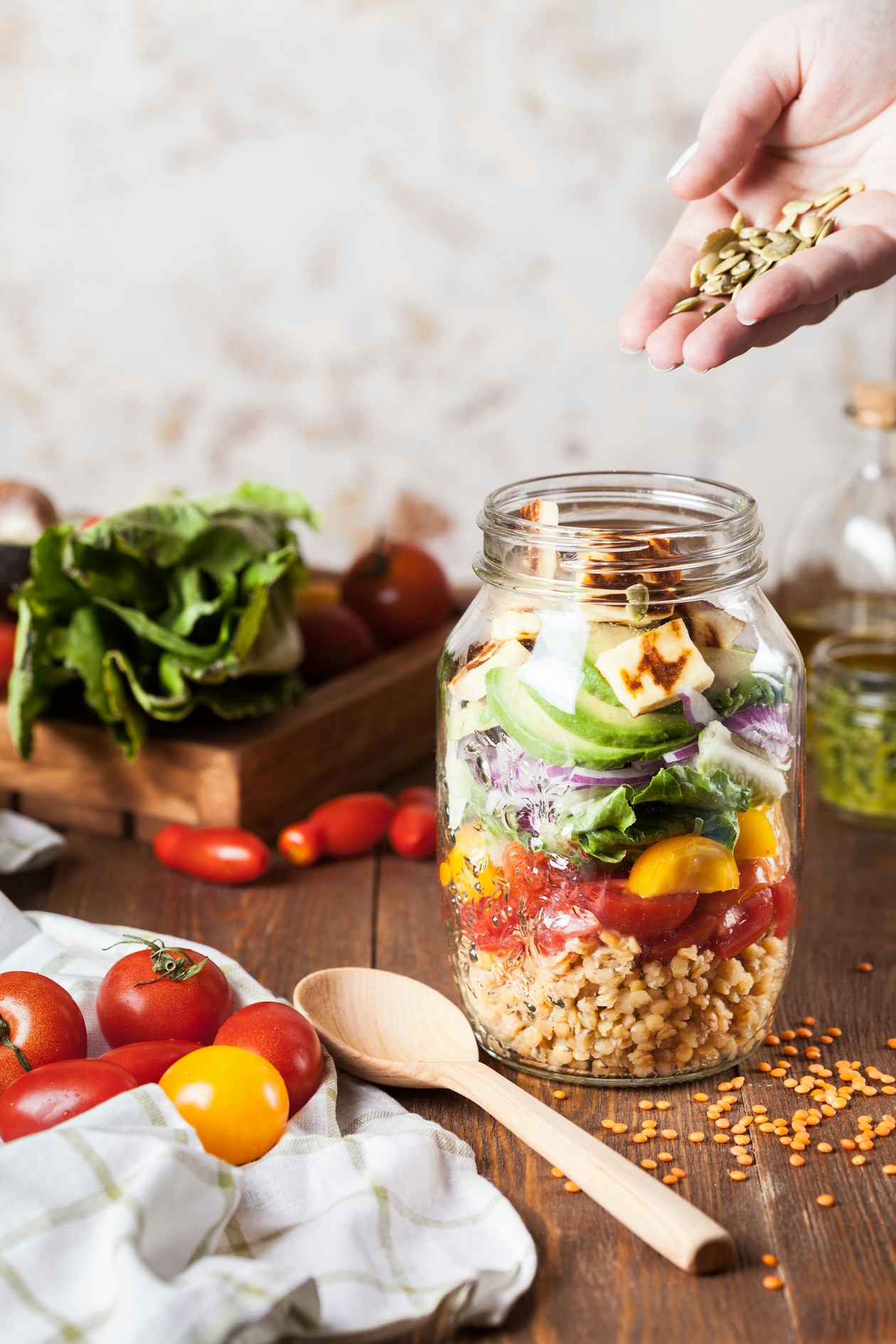
Rather than chasing specific probiotic strains, the most evidence-based approach centers on supporting microbiome diversity through diet:
Increase dietary fiber to 25 to 35 g per day: Fiber feeds beneficial bacteria. Best sources include legumes (30 g fiber per 100 g dry weight), oats (10 g per 100 g), vegetables, and whole fruits. Most adults consume less than 15 g daily.
Eat fermented foods regularly: A 2021 Stanford study in Cell found that a high-fermented-food diet (yogurt, kefir, kimchi, sauerkraut, kombucha) increased microbiome diversity and reduced inflammatory markers in 10 weeks — more effectively than a high-fiber diet alone.
Reduce ultra-processed food consumption: A 2019 crossover trial in Cell Metabolism showed that a diet heavy in ultra-processed food led to increased caloric intake (500 kcal/day more) compared to a whole-food diet — partly because ultra-processed foods do not support satiety hormones and gut barrier integrity in the same way.
Manage sleep and stress: Both disrupted sleep and chronic stress alter gut microbiome composition within days, according to research in Nature Reviews Gastroenterology and Hepatology.
Probiotics and Weight Loss: Should You Supplement?
The most studied strains for body weight include Lactobacillus gasseri, Bifidobacterium lactis, and Lactobacillus rhamnosus. A 2013 trial in the European Journal of Clinical Nutrition found that Lactobacillus gasseri SBT2055 supplementation reduced visceral fat by 8.5% over 12 weeks in overweight Japanese adults.
However, most commercial probiotic supplements contain strains with limited clinical evidence for weight loss specifically. If considering a probiotic, look for products with clearly identified strains (genus, species, strain number), a minimum of 10 billion CFU, and enteric coating or refrigerated storage to ensure viability.
Gut Health and Weight Loss: A Realistic Summary
Intervention
Evidence Strength
Expected Effect
High-fiber diet (25+ g/day)
Strong
Improved satiety, microbiome diversity
Fermented foods daily
Moderate-Strong (2021 Stanford RCT)
Increased diversity, reduced inflammation
Probiotic supplements
Moderate
Modest weight reduction (~0.6 kg avg)
Reducing ultra-processed food
Strong
Reduced caloric intake, improved gut barrier
Specific probiotic strains (L. gasseri)
Early/Moderate
Possible visceral fat reduction
My Honest Take
Gut health is a genuinely relevant factor in weight management — not a wellness fad. The mechanisms are real and supported by good-quality research. But the effect size is additive, not transformative. A healthy gut microbiome supports better appetite regulation, reduced inflammation, and improved metabolic efficiency. It does not override a consistently poor diet or absence of physical activity.
The most cost-effective approach: eat more fiber, include fermented foods, sleep well, and manage stress. Probiotic supplements may provide a small additional benefit but are not a replacement for dietary foundations.
Key Takeaways
The gut microbiome influences energy extraction, appetite hormones, and inflammation — all relevant to weight
Firmicutes-to-Bacteroidetes ratio is associated with obesity in animal and human studies
Probiotic supplementation produces modest weight loss (~0.6 kg) based on 2022 meta-analysis
Fiber (25 to 35 g/day) and fermented foods are the most evidence-based dietary interventions
Individual microbiome variation is high — what works varies between people
Gut health supports weight loss; it does not drive it without a caloric deficit and physical activity
Affiliate disclosure: This article may contain affiliate links. Purchasing through these links may earn us a commission at no extra cost to you. Our editorial content is independent.
Medical disclaimer: This article is for informational purposes only and is not a substitute for medical or nutritional advice. Consult a qualified healthcare professional before beginning any supplement regimen, especially if you have kidney disease, a metabolic condition, or take prescription medications.
Does Creatine Help With Weight Loss?
Creatine is one of the most studied sports supplements in existence — yet its relationship with weight loss is frequently misunderstood. The short answer: creatine does not directly burn fat, but it can play a meaningful supporting role in body recomposition when combined with resistance training and a caloric deficit.
Here is what the research actually shows, and what creatine cannot do.
How Creatine Works in the Body
Creatine is a naturally occurring compound stored primarily in skeletal muscle as phosphocreatine. During high-intensity exercise — sprinting, heavy lifting, explosive movements — phosphocreatine rapidly regenerates ATP (adenosine triphosphate), the molecule your muscles use for immediate energy.
The result: more reps completed, heavier loads lifted, and reduced muscular fatigue during short-burst efforts. Over time, this translates into greater muscle mass development and improved training performance.
Creatine and Weight Loss: The Evidence
A 2021 systematic review in the Journal of the International Society of Sports Nutrition analyzed 16 studies on creatine supplementation and body composition. Key findings:
Creatine consistently increased lean mass compared to placebo when combined with resistance training
No direct fat-burning effect was observed in most trials
Body weight typically increases by 1 to 2 kg in the first week due to water retention inside muscle cells (intracellular, not subcutaneous edema)
The water weight gain is frequently misinterpreted as fat gain — it is not. It reflects creatine’s osmotic effect inside muscle tissue, and it can slightly obscure fat loss on the scale without representing actual fat accumulation.
How Creatine Can Support Your Weight Loss Goals Indirectly
While creatine does not trigger fat loss directly, it creates conditions that support it:
More muscle means a higher resting metabolic rate: Each additional kilogram of muscle burns roughly 13 kcal per day at rest, according to research published in Current Biology (2021). More muscle = more calories burned around the clock.
Better training performance leads to more caloric burn: If creatine allows you to complete 2 extra sets or 20% more volume per session, you burn more calories per workout.
Preserved muscle during caloric restriction: Dieting without resistance training causes muscle loss. Creatine, combined with lifting, helps maintain lean mass while fat is lost — improving body composition even if total weight loss is similar.
Creatine Initial Water Weight: What to Expect
The water retention from creatine loading can mask fat loss on the scale for 1 to 3 weeks. This is one of the most common points of confusion for people tracking weight during a diet.
During a loading phase (20 g/day for 5 to 7 days), expect a 1 to 2 kg increase in scale weight from water. During a standard maintenance phase (3 to 5 g/day), the effect is smaller and more gradual.
If the scale is not moving despite consistent training and diet, consider measuring body composition (DEXA, bioimpedance, skinfold measurements) rather than relying purely on scale weight.
Who Should Consider Creatine During a Weight Loss Phase?
Best suited for:
People doing resistance training 3 or more times per week during a caloric deficit
Those focused on body recomposition (losing fat while maintaining or building muscle)
Athletes who need to maintain performance while cutting weight
Less suited for:
Purely cardio-focused individuals — the performance benefits are specific to high-intensity, short-duration efforts
People with kidney impairment (creatine is cleared renally; discuss with a physician)
Those who find the initial water weight psychologically discouraging during dieting
How to Take Creatine During Weight Loss
For most adults, a simple protocol works: 3 to 5 grams of creatine monohydrate per day, taken consistently. Loading phases (20 g/day for 5 to 7 days) saturate muscles faster but the outcome over 4 weeks is the same as a maintenance-only approach.
Creatine monohydrate is the most studied form and offers no meaningful advantage over more expensive variants such as creatine HCl or ethyl ester. Take it with water, with or without food.
Creatine vs Popular Fat Burners: A Practical Comparison
Factor
Creatine Monohydrate
Thermogenic Fat Burner (e.g., PhenQ)
Direct fat burning
No
Modest (thermogenesis, appetite control)
Scale weight initially
May increase (water)
May decrease quickly
Muscle preservation
Strong evidence
Minimal evidence
Best for
Body recomposition with weights
Appetite control, energy deficit
Stimulants
None
Usually caffeine-based
My Honest Take
Creatine is not a weight loss supplement in the traditional sense. It is a performance and body composition supplement that, when combined with consistent resistance training and a caloric deficit, can significantly improve the ratio of fat lost to muscle lost.
If your goal is fat loss alone and you are not doing any strength training, creatine is unlikely to help you much. If your goal is to look leaner and more muscular while the scale drops, it is one of the most cost-effective and evidence-backed tools available.
The initial water weight is temporary and does not represent fat. Measure your progress with more than the scale — how clothes fit, how you look in photos, and how strong you are getting all tell a more accurate story.
Key Takeaways
Creatine does not directly burn fat — it supports performance and muscle preservation
Initial 1 to 2 kg of water weight gain is intracellular, not fat
Evidence confirms creatine preserves and increases lean mass during resistance training
Greater muscle mass increases resting metabolic rate, supporting long-term fat loss
Creatine monohydrate at 3 to 5 g/day is the most evidence-backed protocol
Best combined with consistent weight training and a moderate caloric deficit
Affiliate disclosure: This article may contain affiliate links. If you purchase through these links, we may earn a small commission at no additional cost to you. Our editorial content remains independent.
Medical disclaimer: This article is for general informational purposes only and does not constitute medical advice. Always consult a qualified healthcare professional before using any dietary supplement, particularly if you have a medical condition, are pregnant, or take prescription medications.
What Is Capsiplex Burn?
Capsiplex Burn is a fat burner supplement manufactured by Bauer Nutrition, a UK-based health supplement company. It is designed specifically for adults who are actively strength training or doing resistance exercise — positioning itself as a “cutting phase” supplement rather than a general weight loss product.
The formula centers on capsaicin (from capsicum extract), caffeine, and a range of amino acids. Its marketing emphasizes body composition improvement — preserving lean muscle while supporting fat oxidation — rather than purely stimulant-driven weight loss.
Capsiplex Burn Ingredients Breakdown
The key ingredients and their evidence base:
Capsicum Extract (Capsimax, 100 mg): Capsimax is a patented beadlet form of capsaicin that minimizes stomach irritation. Capsaicin has good evidence for a modest thermogenic effect: a 2012 meta-analysis in Chemical Senses found capsaicin increased energy expenditure by approximately 50 kcal per day in short-term studies. That is a real but modest effect.
Caffeine (200 mg): Well-established fat oxidation enhancer at this dose. A 2020 meta-analysis in the British Journal of Sports Medicine confirmed caffeine improves exercise performance and fat burning during aerobic exercise.
L-Arginine (1.5 g) and L-Carnitine (1 g): Both support exercise performance and mitochondrial fat metabolism to varying degrees. L-carnitine evidence for fat loss in trained individuals is modest and context-dependent.
Niacin, Iodine, Vitamin C, Vitamin B6, B12: Micronutrients supporting energy metabolism and thyroid function. Deficiency in these can impair fat burning, but supplementing above adequate levels offers limited additional benefit.
Piperine (Black Pepper Extract, 5 mg): Enhances bioavailability of other ingredients by up to 20% in some studies.
InnoSlim (250 mg): A blend of Panax notoginseng and Astragalus that may support glucose uptake in muscles. Research is early-stage and conducted primarily in cell models.
Who Is Capsiplex Burn Designed For?
The product is explicitly marketed for people in a cutting phase who are lifting weights and want to preserve muscle. This positioning matters:
Good fit for: Active adults doing resistance training who want thermogenic support and caffeine-based performance enhancement during a caloric deficit. The amino acids are logical complements for trained individuals.
Poor fit for: Sedentary individuals looking for passive weight loss, caffeine-sensitive people (200 mg per serving is significant), and those expecting dramatic results without consistent training.
Capsiplex Burn vs Alternatives
Factor
Capsiplex Burn
PhenQ (comparison)
Target user
Active gym-goers in cutting phase
General weight loss (any activity level)
Caffeine per serving
200 mg
142 mg
Capsaicin
Yes (Capsimax 100 mg)
Yes (Capsimax)
Amino acids
L-Arginine, L-Carnitine
None
Appetite suppression
Indirect via caffeine
Direct (nopal cactus fiber)
Best time to take
Pre-workout
With meals
Side Effects and Safety
The 200 mg caffeine per serving deserves attention. Combined with coffee or other caffeinated beverages, daily intake could easily exceed 400 mg — the European Food Safety Authority’s upper tolerable limit for adults. Symptoms of excess caffeine include anxiety, insomnia, elevated heart rate, and gastrointestinal discomfort.
Capsaicin via Capsimax is generally well-tolerated and does not cause the gastric irritation associated with raw capsicum. Piperine may increase absorption of certain medications — discuss with a physician if you are on any prescription drugs.
Not recommended during pregnancy or breastfeeding.
How to Take Capsiplex Burn
The manufacturer recommends three capsules per day: one 30 minutes before training on workout days, and one in the morning and one before lunch on rest days. This structure reflects its pre-workout positioning.
My Honest Assessment
Capsiplex Burn is a more targeted product than most general fat burners. Its combination of capsaicin, caffeine, and performance-oriented amino acids makes logical sense for someone in a caloric deficit who is lifting weights. The Capsimax form of capsaicin is a legitimate upgrade over raw capsicum extracts.
The thermogenic effects are real but modest — expect an additional 50 to 100 kcal burned per day from capsaicin and caffeine combined, not a metabolic transformation. The product will amplify what good training and diet already achieve, not replace them.
TODAY: Multi-pack savings and free delivery on every order
Key Takeaways
Capsiplex Burn targets active adults in a cutting phase — not the general public
Capsimax capsaicin provides a modest but evidence-based thermogenic effect (~50 kcal/day)
200 mg caffeine per serving is significant — monitor total daily intake
L-Carnitine and L-Arginine are logical additions for trained individuals
Results depend on a caloric deficit and consistent resistance training
Affiliate disclosure: This article contains affiliate links. We may earn a commission if you make a purchase through these links, at no extra cost to you. Our editorial opinions are independent.
Medical disclaimer: This article is for informational purposes only and does not constitute medical advice. Dietary supplements are not regulated the same way as medications. Always consult a qualified healthcare professional before starting any supplement, especially if you have a medical condition, are pregnant, or take prescription medication.
What Is KetoCharge?
KetoCharge is a dietary supplement manufactured by Health Nutrition Limited, a UK-registered company. It is designed to support people following a ketogenic diet by supplying exogenous ketones — specifically beta-hydroxybutyrate (BHB) salts — along with electrolytes to help maintain mineral balance during the early stages of keto adaptation.
Unlike stimulant-based fat burners, KetoCharge contains no caffeine. Its formula focuses on metabolic support rather than appetite suppression or thermogenesis.
KetoCharge Ingredients: What Does the Research Say?
KetoCharge contains four primary active components:
Sodium BHB, Calcium BHB, Magnesium BHB: Exogenous ketone salts. A 2020 review in Nutrients confirmed that exogenous BHB can transiently raise blood ketone levels, which may reduce early keto fatigue. They do not replace dietary ketosis — carbohydrate restriction remains necessary for sustained fat burning.
Glycine: An amino acid supporting protein synthesis. At supplement doses, some research suggests modest improvements in energy and sleep quality, though direct fat loss effects are not established.
Potassium and Magnesium (electrolytes): Essential during keto adaptation. Ketogenic diets are diuretic in early stages, increasing sodium, potassium, and magnesium losses that contribute to keto flu symptoms.
The formula is evidence-informed for easing keto transition — not for standalone fat loss without carbohydrate restriction.
How KetoCharge Works
When you reduce carbohydrates below approximately 50 g per day, your body shifts from glucose to fat as its primary fuel source, producing ketone bodies in the liver. The first 3 to 10 days can bring headaches, fatigue, and brain fog as the metabolism adapts.
KetoCharge addresses this by providing ready-made BHB ketones to bridge the energy gap, replenishing electrolytes lost through increased urination, and supporting mental clarity during the adaptation phase. It does not put you into ketosis independently — a genuine ketogenic diet is required.
Who Is KetoCharge Best For?
Most suitable for: People actively following a ketogenic diet who want to reduce early adaptation symptoms, athletes maintaining energy during a keto cut, and individuals who have experienced the keto flu previously.
Less suitable for: Anyone not following a ketogenic diet, people seeking stimulant-based appetite suppression, or those who prefer obtaining electrolytes through whole foods such as avocado, spinach, and nuts.
Mild GI discomfort in some users; no cardiovascular risk
Who should avoid
People with kidney disease (consult physician first)
Side Effects and Safety
KetoCharge is generally well tolerated. Because it contains no stimulants, it avoids jitteriness and sleep disruption associated with caffeine-heavy products. Some users report mild digestive discomfort when starting BHB supplementation — typically bloating or loose stools. Starting with a lower dose and taking it with food typically resolves this.
People with kidney disease should exercise caution with high-electrolyte supplements and consult a physician before use.
How to Use KetoCharge
The manufacturer recommends two capsules per day, taken with 8 ounces of water. Capsules can be taken with or without food. During keto initiation, morning use makes practical sense when energy dips are most common.
My Honest Verdict
KetoCharge is not a miracle product, but it addresses a genuine physiological need. If you are committed to the ketogenic diet and want to smooth the transition during the hardest first week, the combination of BHB salts and electrolytes makes sense. If you are looking for a fat burner to work without dietary changes, this is the wrong tool.
The absence of stimulants makes it a safer option for those sensitive to caffeine. The trade-off is that it offers no appetite suppression or thermogenic effect.
Key Takeaways
KetoCharge provides BHB ketone salts and electrolytes — no stimulants
Best used during the first 1–3 weeks of ketogenic diet adoption
Evidence supports transient blood ketone elevation from exogenous BHB
Side effects are mild and GI-related; no cardiovascular stimulant risk
Not a substitute for dietary discipline — carb restriction remains essential
Affiliate disclosure: This article contains affiliate links. If you purchase through these links, we may earn a commission at no additional cost to you. Our editorial opinions remain independent.
Daily movement for how to restart diet after overeating.
If you have been searching for honest information about how to restart diet after overeating, you are not alone. I spent months sorting through hype and misinformation before I found what actually works. In this guide, I will share everything I learned so you do not have to waste time figuring it out yourself.
In this guide, I will walk you through exactly what you need to know about how to restart diet after overeating, what actually works, what to avoid, and how to get started without feeling overwhelmed.
Medical note: This article is for general educational purposes only. It is not medical advice. If you have a medical condition, take medication, are pregnant, have a history of disordered eating, or are unsure what is safe for you, speak with a qualified healthcare professional before making changes.
Quick Answer
how to restart diet after overeating is absolutely possible when you focus on creating a modest calorie deficit through balanced nutrition, consistent habits, adequate sleep, and stress management. For most people, this leads to a steady weight loss of about 1 to 2 pounds per week without extreme measures or unsafe restrictions.
Best Pick This Year
PhenQ Everyday Slimming Companion
– 5-in-1 formula bringing several mechanisms in one capsule
– Combined approach targets appetite, energy and calorie burn
– Manufactured in FDA-registered, GMP-certified facilities
TODAY: Multi-pack savings and free delivery on every order
Why how to restart diet after overeating Matters
Many people approach weight loss with an all-or-nothing mindset. They either go all in on a restrictive diet or give up entirely. The truth is that lasting change happens in the middle ground. Understanding how to restart diet after overeating means learning how your body actually works and giving it what it needs to release stored fat safely.
How It Works
At the most basic level, weight loss happens when your body burns more energy than it takes in. But the quality of your food, your sleep, your stress levels, and your daily movement all play a role in how efficiently that happens.
Balanced nutrition: Prioritize protein, fiber, and whole foods while reducing processed items
Consistent movement: Even light daily activity helps regulate appetite and metabolism
Adequate sleep: 7 to 9 hours helps control hunger hormones and cravings
Stress management: High cortisol can make weight loss harder, so finding healthy outlets matters
Hydration: Drinking water before meals and throughout the day supports natural appetite control
Potential Benefits
1. Sustainable Energy
Unlike crash diets that leave you exhausted, a balanced approach to how to restart diet after overeating keeps your energy steady throughout the day. You can work, exercise, and enjoy life without feeling drained.
2. Better Health Markers
Even modest weight loss can improve blood pressure, cholesterol, blood sugar, and joint health. The benefits go far beyond the number on the scale.
3. Confidence and Mental Clarity
When you stop battling your body and start working with it, something shifts mentally. You feel more in control, more capable, and less stressed about food.
Possible Downsides and Safety Notes
Slower results: Sustainable weight loss takes time. If you want instant results, this approach requires patience.
Plateaus: It is normal for weight loss to slow or stall for weeks at a time. This does not mean you are failing.
Social pressure: Friends and family may not understand why you are not following the latest trend.
Adjustment period: Changing habits takes time. The first two to four weeks are often the hardest.
Who This Approach Is Best For
Great fit for:
Beginners who want a clear starting point
People who have tried extreme diets and regained the weight
Anyone who wants to improve health without obsession
Busy people who need a flexible plan
May not suit:
People preparing for a competition or event with a tight deadline
Those with medical conditions requiring supervised rapid loss
Anyone unwilling to commit to consistency
How I Would Approach It
Step 1: Build Your Plate Around Protein and Vegetables
Make protein and veggies the stars of every meal. Add healthy fats and carbs as supporting actors. This simple framework naturally reduces calories while keeping you full.
Step 2: Move Daily in a Way You Enjoy
You do not need to love the gym. Walk, dance, swim, garden, or play with your kids. Consistency beats intensity every time.
Step 3: Sleep Like It Is Part of Your Diet
Because it is. Poor sleep increases hunger and cravings. Aim for 7 to 9 hours and protect your bedtime like an appointment.
Step 4: Track Progress Beyond the Scale
Photos, measurements, energy levels, and how your clothes fit tell a more complete story than weight alone.
Daily movement and walking as part of how to restart diet after overeating.
Quick Comparison Table
Factor
What to Know
Best for
People seeking sustainable, long-term weight loss
Main benefit
Builds habits that last without extreme restriction
Biggest limitation
Results are slower than crash diets or extreme plans
Difficulty level
Easy to Moderate
Time to notice changes
2 to 4 weeks for energy; 4 to 8 weeks for visible results
Safety note
Consult a healthcare professional if you have medical conditions
Best paired with
Meal planning, daily walking, and stress management
My take
The most reliable path to lasting results
Common Mistakes to Avoid
Mistake 1: Expecting Linear Progress
Weight fluctuates daily due to water, salt, hormones, and digestion. A single bad day means nothing. Look at trends over weeks, not days.
Mistake 2: Cutting Too Many Calories Too Fast
Drastic restriction backfires. Your metabolism adapts, your hunger surges, and your willpower crumbles. A modest deficit is more effective long term.
Mistake 3: Ignoring Liquid Calories
Sodas, juices, fancy coffees, and alcohol add up fast. They rarely make you feel full. Water, tea, and black coffee are safer bets.
Mistake 4: Comparing Your Chapter 1 to Someone Else’s Chapter 20
Everyone starts somewhere. Your journey is yours. Focus on your own progress instead of Instagram transformations.
Mistake 5: Giving Up After One Bad Meal or Day
One off-plan meal does not ruin your progress. One off-plan weekend does not either. Consistency over time is what creates change.
What Do Reviews or Experiences Say?
After researching hundreds of personal stories, here is what stands out:
Positive experiences often mention:
Feeling less obsessed with food
Having more energy for daily life
Not feeling deprived or hungry all the time
Finally keeping the weight off
Negative experiences often mention:
Impatience with the pace of results
Struggling to stay consistent during stressful periods
Feeling unsupported by friends or family
The bottom line: people who succeed with how to restart diet after overeating are the ones who commit to the process, not just the outcome.
Alternatives to Consider
Alternative
Best For
Why It May Help
Calorie tracking
People who like data
Provides precise control over intake
Intermittent fasting
People who prefer eating windows
Reduces snacking and simplifies meal planning
Meal delivery services
Very busy schedules
Takes cooking and planning off your plate
Working with a dietitian
Medical conditions or confusion
Provides personalized, professional guidance
My Honest Verdict
If you are serious about how to restart diet after overeating, the key is patience and consistency. There is no magic solution. There is no shortcut. But there is a proven path, and it starts with simple habits repeated daily.
I believe anyone can achieve their weight loss goals if they stop chasing perfection and start embracing progress.
Frequently Asked Questions
Is how to restart diet after overeating possible?
Yes, with the right combination of nutrition, sleep, stress management, and daily habits, how to restart diet after overeating is absolutely achievable for most people.
How long does it take to see results?
Most people notice improved energy within 2 to 4 weeks. Visible weight loss typically appears within 4 to 8 weeks of consistent effort.
Do I need to count calories?
Not necessarily. Many people lose weight by focusing on whole foods, portion awareness, and mindful eating without strict calorie counting.
What if I hit a plateau?
Plateaus are normal. Try adjusting your portions, increasing daily movement, improving sleep, or managing stress. Small tweaks often restart progress.
Can I do this if I have a medical condition?
If you have a medical condition, are pregnant, or take medication, consult a qualified healthcare professional before starting any weight loss plan.
how to restart diet after overeating is not about finding a secret weapon. It is about returning to basics. Real food. Real movement. Real sleep. Real consistency.
You do not need to be perfect. You just need to keep showing up. Start with one small change today, and let the momentum build from there.
Healthy habits for how to stay motivated during weight loss.
Understanding how to stay motivated during weight loss changed how I approach my health. Instead of chasing trends, I started focusing on evidence-based habits that actually move the needle. In this article, I will break down exactly what you need to know.
In this guide, I will walk you through exactly what you need to know about how to stay motivated during weight loss, what actually works, what to avoid, and how to get started without feeling overwhelmed.
Medical note: This article is for general educational purposes only. It is not medical advice. If you have a medical condition, take medication, are pregnant, have a history of disordered eating, or are unsure what is safe for you, speak with a qualified healthcare professional before making changes.
Quick Answer
how to stay motivated during weight loss is one of the most effective approaches when you prioritize whole foods, protein, fiber, and daily movement. It is not about perfection. It is about consistency over time.
Editor's Pick
PhenQ Daily Weight Support Supplement
– Free global delivery on every order direct from the brand
– Combined approach targets appetite, energy and calorie burn
– Multi-action formula supports metabolism and energy
LIVE: Editorial pricing with free shipping and 60-day guarantee
Why how to stay motivated during weight loss Matters
Many people approach weight loss with an all-or-nothing mindset. They either go all in on a restrictive diet or give up entirely. The truth is that lasting change happens in the middle ground. Understanding how to stay motivated during weight loss means learning how your body actually works and giving it what it needs to release stored fat safely.
How It Works
At the most basic level, weight loss happens when your body burns more energy than it takes in. But the quality of your food, your sleep, your stress levels, and your daily movement all play a role in how efficiently that happens.
Balanced nutrition: Prioritize protein, fiber, and whole foods while reducing processed items
Consistent movement: Even light daily activity helps regulate appetite and metabolism
Adequate sleep: 7 to 9 hours helps control hunger hormones and cravings
Stress management: High cortisol can make weight loss harder, so finding healthy outlets matters
Hydration: Drinking water before meals and throughout the day supports natural appetite control
Potential Benefits
1. Sustainable Energy
Unlike crash diets that leave you exhausted, a balanced approach to how to stay motivated during weight loss keeps your energy steady throughout the day. You can work, exercise, and enjoy life without feeling drained.
2. Better Health Markers
Even modest weight loss can improve blood pressure, cholesterol, blood sugar, and joint health. The benefits go far beyond the number on the scale.
3. Confidence and Mental Clarity
When you stop battling your body and start working with it, something shifts mentally. You feel more in control, more capable, and less stressed about food.
Possible Downsides and Safety Notes
Slower results: Sustainable weight loss takes time. If you want instant results, this approach requires patience.
Plateaus: It is normal for weight loss to slow or stall for weeks at a time. This does not mean you are failing.
Social pressure: Friends and family may not understand why you are not following the latest trend.
Adjustment period: Changing habits takes time. The first two to four weeks are often the hardest.
Who This Approach Is Best For
Great fit for:
Beginners who want a clear starting point
People who have tried extreme diets and regained the weight
Anyone who wants to improve health without obsession
Busy people who need a flexible plan
May not suit:
People preparing for a competition or event with a tight deadline
Those with medical conditions requiring supervised rapid loss
Anyone unwilling to commit to consistency
How I Would Approach It
Step 1: Build Your Plate Around Protein and Vegetables
Make protein and veggies the stars of every meal. Add healthy fats and carbs as supporting actors. This simple framework naturally reduces calories while keeping you full.
Step 2: Move Daily in a Way You Enjoy
You do not need to love the gym. Walk, dance, swim, garden, or play with your kids. Consistency beats intensity every time.
Step 3: Sleep Like It Is Part of Your Diet
Because it is. Poor sleep increases hunger and cravings. Aim for 7 to 9 hours and protect your bedtime like an appointment.
Step 4: Track Progress Beyond the Scale
Photos, measurements, energy levels, and how your clothes fit tell a more complete story than weight alone.
Daily movement and walking as part of how to stay motivated during weight loss.
Quick Comparison Table
Factor
What to Know
Best for
People seeking sustainable, long-term weight loss
Main benefit
Builds habits that last without extreme restriction
Biggest limitation
Results are slower than crash diets or extreme plans
Difficulty level
Easy to Moderate
Time to notice changes
2 to 4 weeks for energy; 4 to 8 weeks for visible results
Safety note
Consult a healthcare professional if you have medical conditions
Best paired with
Meal planning, daily walking, and stress management
My take
The most reliable path to lasting results
Common Mistakes to Avoid
Mistake 1: Expecting Linear Progress
Weight fluctuates daily due to water, salt, hormones, and digestion. A single bad day means nothing. Look at trends over weeks, not days.
Mistake 2: Cutting Too Many Calories Too Fast
Drastic restriction backfires. Your metabolism adapts, your hunger surges, and your willpower crumbles. A modest deficit is more effective long term.
Mistake 3: Ignoring Liquid Calories
Sodas, juices, fancy coffees, and alcohol add up fast. They rarely make you feel full. Water, tea, and black coffee are safer bets.
Mistake 4: Comparing Your Chapter 1 to Someone Else’s Chapter 20
Everyone starts somewhere. Your journey is yours. Focus on your own progress instead of Instagram transformations.
Mistake 5: Giving Up After One Bad Meal or Day
One off-plan meal does not ruin your progress. One off-plan weekend does not either. Consistency over time is what creates change.
What Do Reviews or Experiences Say?
After researching hundreds of personal stories, here is what stands out:
Positive experiences often mention:
Feeling less obsessed with food
Having more energy for daily life
Not feeling deprived or hungry all the time
Finally keeping the weight off
Negative experiences often mention:
Impatience with the pace of results
Struggling to stay consistent during stressful periods
Feeling unsupported by friends or family
The bottom line: people who succeed with how to stay motivated during weight loss are the ones who commit to the process, not just the outcome.
Alternatives to Consider
Alternative
Best For
Why It May Help
Calorie tracking
People who like data
Provides precise control over intake
Intermittent fasting
People who prefer eating windows
Reduces snacking and simplifies meal planning
Meal delivery services
Very busy schedules
Takes cooking and planning off your plate
Working with a dietitian
Medical conditions or confusion
Provides personalized, professional guidance
My Honest Verdict
If you are serious about how to stay motivated during weight loss, the key is patience and consistency. There is no magic solution. There is no shortcut. But there is a proven path, and it starts with simple habits repeated daily.
I believe anyone can achieve their weight loss goals if they stop chasing perfection and start embracing progress.
Frequently Asked Questions
Is how to stay motivated during weight loss possible?
Yes, with the right combination of nutrition, sleep, stress management, and daily habits, how to stay motivated during weight loss is absolutely achievable for most people.
How long does it take to see results?
Most people notice improved energy within 2 to 4 weeks. Visible weight loss typically appears within 4 to 8 weeks of consistent effort.
Do I need to count calories?
Not necessarily. Many people lose weight by focusing on whole foods, portion awareness, and mindful eating without strict calorie counting.
What if I hit a plateau?
Plateaus are normal. Try adjusting your portions, increasing daily movement, improving sleep, or managing stress. Small tweaks often restart progress.
Can I do this if I have a medical condition?
If you have a medical condition, are pregnant, or take medication, consult a qualified healthcare professional before starting any weight loss plan.
how to stay motivated during weight loss is not about finding a secret weapon. It is about returning to basics. Real food. Real movement. Real sleep. Real consistency.
You do not need to be perfect. You just need to keep showing up. Start with one small change today, and let the momentum build from there.
Healthy habits for is slow weight loss better.
If you have been searching for honest information about is slow weight loss better, you are not alone. I spent months sorting through hype and misinformation before I found what actually works. In this guide, I will share everything I learned so you do not have to waste time figuring it out yourself.
In this guide, I will walk you through exactly what you need to know about is slow weight loss better, what actually works, what to avoid, and how to get started without feeling overwhelmed.
Medical note: This article is for general educational purposes only. It is not medical advice. If you have a medical condition, take medication, are pregnant, have a history of disordered eating, or are unsure what is safe for you, speak with a qualified healthcare professional before making changes.
Quick Answer
The short answer is yes, is slow weight loss better works when you combine balanced eating, regular movement, quality sleep, and patience. Most people see meaningful results within 4 to 8 weeks of consistent effort.
Editorial Choice
PhenQ Appetite, Energy and Burn Support
– Single daily routine, two capsules a day
– 5-in-1 formula bringing several mechanisms in one capsule
– Free global delivery on every order direct from the brand
LIVE: Editorial pricing with free shipping and 60-day guarantee
Why is slow weight loss better Matters
Many people approach weight loss with an all-or-nothing mindset. They either go all in on a restrictive diet or give up entirely. The truth is that lasting change happens in the middle ground. Understanding is slow weight loss better means learning how your body actually works and giving it what it needs to release stored fat safely.
How It Works
At the most basic level, weight loss happens when your body burns more energy than it takes in. But the quality of your food, your sleep, your stress levels, and your daily movement all play a role in how efficiently that happens.
Balanced nutrition: Prioritize protein, fiber, and whole foods while reducing processed items
Consistent movement: Even light daily activity helps regulate appetite and metabolism
Adequate sleep: 7 to 9 hours helps control hunger hormones and cravings
Stress management: High cortisol can make weight loss harder, so finding healthy outlets matters
Hydration: Drinking water before meals and throughout the day supports natural appetite control
Potential Benefits
1. Sustainable Energy
Unlike crash diets that leave you exhausted, a balanced approach to is slow weight loss better keeps your energy steady throughout the day. You can work, exercise, and enjoy life without feeling drained.
2. Better Health Markers
Even modest weight loss can improve blood pressure, cholesterol, blood sugar, and joint health. The benefits go far beyond the number on the scale.
3. Confidence and Mental Clarity
When you stop battling your body and start working with it, something shifts mentally. You feel more in control, more capable, and less stressed about food.
Possible Downsides and Safety Notes
Slower results: Sustainable weight loss takes time. If you want instant results, this approach requires patience.
Plateaus: It is normal for weight loss to slow or stall for weeks at a time. This does not mean you are failing.
Social pressure: Friends and family may not understand why you are not following the latest trend.
Adjustment period: Changing habits takes time. The first two to four weeks are often the hardest.
Who This Approach Is Best For
Great fit for:
Beginners who want a clear starting point
People who have tried extreme diets and regained the weight
Anyone who wants to improve health without obsession
Busy people who need a flexible plan
May not suit:
People preparing for a competition or event with a tight deadline
Those with medical conditions requiring supervised rapid loss
Anyone unwilling to commit to consistency
How I Would Approach It
Step 1: Build Your Plate Around Protein and Vegetables
Make protein and veggies the stars of every meal. Add healthy fats and carbs as supporting actors. This simple framework naturally reduces calories while keeping you full.
Step 2: Move Daily in a Way You Enjoy
You do not need to love the gym. Walk, dance, swim, garden, or play with your kids. Consistency beats intensity every time.
Step 3: Sleep Like It Is Part of Your Diet
Because it is. Poor sleep increases hunger and cravings. Aim for 7 to 9 hours and protect your bedtime like an appointment.
Step 4: Track Progress Beyond the Scale
Photos, measurements, energy levels, and how your clothes fit tell a more complete story than weight alone.
Daily movement and walking as part of is slow weight loss better.
Quick Comparison Table
Factor
What to Know
Best for
People seeking sustainable, long-term weight loss
Main benefit
Builds habits that last without extreme restriction
Biggest limitation
Results are slower than crash diets or extreme plans
Difficulty level
Easy to Moderate
Time to notice changes
2 to 4 weeks for energy; 4 to 8 weeks for visible results
Safety note
Consult a healthcare professional if you have medical conditions
Best paired with
Meal planning, daily walking, and stress management
My take
The most reliable path to lasting results
Common Mistakes to Avoid
Mistake 1: Expecting Linear Progress
Weight fluctuates daily due to water, salt, hormones, and digestion. A single bad day means nothing. Look at trends over weeks, not days.
Mistake 2: Cutting Too Many Calories Too Fast
Drastic restriction backfires. Your metabolism adapts, your hunger surges, and your willpower crumbles. A modest deficit is more effective long term.
Mistake 3: Ignoring Liquid Calories
Sodas, juices, fancy coffees, and alcohol add up fast. They rarely make you feel full. Water, tea, and black coffee are safer bets.
Mistake 4: Comparing Your Chapter 1 to Someone Else’s Chapter 20
Everyone starts somewhere. Your journey is yours. Focus on your own progress instead of Instagram transformations.
Mistake 5: Giving Up After One Bad Meal or Day
One off-plan meal does not ruin your progress. One off-plan weekend does not either. Consistency over time is what creates change.
What Do Reviews or Experiences Say?
After researching hundreds of personal stories, here is what stands out:
Positive experiences often mention:
Feeling less obsessed with food
Having more energy for daily life
Not feeling deprived or hungry all the time
Finally keeping the weight off
Negative experiences often mention:
Impatience with the pace of results
Struggling to stay consistent during stressful periods
Feeling unsupported by friends or family
The bottom line: people who succeed with is slow weight loss better are the ones who commit to the process, not just the outcome.
Alternatives to Consider
Alternative
Best For
Why It May Help
Calorie tracking
People who like data
Provides precise control over intake
Intermittent fasting
People who prefer eating windows
Reduces snacking and simplifies meal planning
Meal delivery services
Very busy schedules
Takes cooking and planning off your plate
Working with a dietitian
Medical conditions or confusion
Provides personalized, professional guidance
My Honest Verdict
If you are serious about is slow weight loss better, the key is patience and consistency. There is no magic solution. There is no shortcut. But there is a proven path, and it starts with simple habits repeated daily.
I believe anyone can achieve their weight loss goals if they stop chasing perfection and start embracing progress.
Frequently Asked Questions
Is is slow weight loss better possible?
Yes, with the right combination of nutrition, sleep, stress management, and daily habits, is slow weight loss better is absolutely achievable for most people.
How long does it take to see results?
Most people notice improved energy within 2 to 4 weeks. Visible weight loss typically appears within 4 to 8 weeks of consistent effort.
Do I need to count calories?
Not necessarily. Many people lose weight by focusing on whole foods, portion awareness, and mindful eating without strict calorie counting.
What if I hit a plateau?
Plateaus are normal. Try adjusting your portions, increasing daily movement, improving sleep, or managing stress. Small tweaks often restart progress.
Can I do this if I have a medical condition?
If you have a medical condition, are pregnant, or take medication, consult a qualified healthcare professional before starting any weight loss plan.
is slow weight loss better is not about finding a secret weapon. It is about returning to basics. Real food. Real movement. Real sleep. Real consistency.
You do not need to be perfect. You just need to keep showing up. Start with one small change today, and let the momentum build from there.
Outdoor activity for why am i losing weight slowly.
Understanding why am I losing weight slowly changed how I approach my health. Instead of chasing trends, I started focusing on evidence-based habits that actually move the needle. In this article, I will break down exactly what you need to know.
In this guide, I will walk you through exactly what you need to know about why am I losing weight slowly, what actually works, what to avoid, and how to get started without feeling overwhelmed.
Medical note: This article is for general educational purposes only. It is not medical advice. If you have a medical condition, take medication, are pregnant, have a history of disordered eating, or are unsure what is safe for you, speak with a qualified healthcare professional before making changes.
Quick Answer
why am I losing weight slowly is absolutely possible when you focus on creating a modest calorie deficit through balanced nutrition, consistent habits, adequate sleep, and stress management. For most people, this leads to a steady weight loss of about 1 to 2 pounds per week without extreme measures or unsafe restrictions.
Recommended After Review
PhenQ Everyday Slimming Companion
– Vegan and vegetarian-friendly capsule formula
– Free global delivery on every order direct from the brand
– Manufactured in FDA-registered, GMP-certified facilities
LIVE: Editorial pricing with free shipping and 60-day guarantee
Why why am I losing weight slowly Matters
Many people approach weight loss with an all-or-nothing mindset. They either go all in on a restrictive diet or give up entirely. The truth is that lasting change happens in the middle ground. Understanding why am I losing weight slowly means learning how your body actually works and giving it what it needs to release stored fat safely.
How It Works
At the most basic level, weight loss happens when your body burns more energy than it takes in. But the quality of your food, your sleep, your stress levels, and your daily movement all play a role in how efficiently that happens.
Balanced nutrition: Prioritize protein, fiber, and whole foods while reducing processed items
Consistent movement: Even light daily activity helps regulate appetite and metabolism
Adequate sleep: 7 to 9 hours helps control hunger hormones and cravings
Stress management: High cortisol can make weight loss harder, so finding healthy outlets matters
Hydration: Drinking water before meals and throughout the day supports natural appetite control
Potential Benefits
1. Sustainable Energy
Unlike crash diets that leave you exhausted, a balanced approach to why am I losing weight slowly keeps your energy steady throughout the day. You can work, exercise, and enjoy life without feeling drained.
2. Better Health Markers
Even modest weight loss can improve blood pressure, cholesterol, blood sugar, and joint health. The benefits go far beyond the number on the scale.
3. Confidence and Mental Clarity
When you stop battling your body and start working with it, something shifts mentally. You feel more in control, more capable, and less stressed about food.
Possible Downsides and Safety Notes
Slower results: Sustainable weight loss takes time. If you want instant results, this approach requires patience.
Plateaus: It is normal for weight loss to slow or stall for weeks at a time. This does not mean you are failing.
Social pressure: Friends and family may not understand why you are not following the latest trend.
Adjustment period: Changing habits takes time. The first two to four weeks are often the hardest.
Who This Approach Is Best For
Great fit for:
Beginners who want a clear starting point
People who have tried extreme diets and regained the weight
Anyone who wants to improve health without obsession
Busy people who need a flexible plan
May not suit:
People preparing for a competition or event with a tight deadline
Those with medical conditions requiring supervised rapid loss
Anyone unwilling to commit to consistency
How I Would Approach It
Step 1: Build Your Plate Around Protein and Vegetables
Make protein and veggies the stars of every meal. Add healthy fats and carbs as supporting actors. This simple framework naturally reduces calories while keeping you full.
Step 2: Move Daily in a Way You Enjoy
You do not need to love the gym. Walk, dance, swim, garden, or play with your kids. Consistency beats intensity every time.
Step 3: Sleep Like It Is Part of Your Diet
Because it is. Poor sleep increases hunger and cravings. Aim for 7 to 9 hours and protect your bedtime like an appointment.
Step 4: Track Progress Beyond the Scale
Photos, measurements, energy levels, and how your clothes fit tell a more complete story than weight alone.
Daily movement and walking as part of why am I losing weight slowly.
Quick Comparison Table
Factor
What to Know
Best for
People seeking sustainable, long-term weight loss
Main benefit
Builds habits that last without extreme restriction
Biggest limitation
Results are slower than crash diets or extreme plans
Difficulty level
Easy to Moderate
Time to notice changes
2 to 4 weeks for energy; 4 to 8 weeks for visible results
Safety note
Consult a healthcare professional if you have medical conditions
Best paired with
Meal planning, daily walking, and stress management
My take
The most reliable path to lasting results
Common Mistakes to Avoid
Mistake 1: Expecting Linear Progress
Weight fluctuates daily due to water, salt, hormones, and digestion. A single bad day means nothing. Look at trends over weeks, not days.
Mistake 2: Cutting Too Many Calories Too Fast
Drastic restriction backfires. Your metabolism adapts, your hunger surges, and your willpower crumbles. A modest deficit is more effective long term.
Mistake 3: Ignoring Liquid Calories
Sodas, juices, fancy coffees, and alcohol add up fast. They rarely make you feel full. Water, tea, and black coffee are safer bets.
Mistake 4: Comparing Your Chapter 1 to Someone Else’s Chapter 20
Everyone starts somewhere. Your journey is yours. Focus on your own progress instead of Instagram transformations.
Mistake 5: Giving Up After One Bad Meal or Day
One off-plan meal does not ruin your progress. One off-plan weekend does not either. Consistency over time is what creates change.
What Do Reviews or Experiences Say?
After researching hundreds of personal stories, here is what stands out:
Positive experiences often mention:
Feeling less obsessed with food
Having more energy for daily life
Not feeling deprived or hungry all the time
Finally keeping the weight off
Negative experiences often mention:
Impatience with the pace of results
Struggling to stay consistent during stressful periods
Feeling unsupported by friends or family
The bottom line: people who succeed with why am I losing weight slowly are the ones who commit to the process, not just the outcome.
Alternatives to Consider
Alternative
Best For
Why It May Help
Calorie tracking
People who like data
Provides precise control over intake
Intermittent fasting
People who prefer eating windows
Reduces snacking and simplifies meal planning
Meal delivery services
Very busy schedules
Takes cooking and planning off your plate
Working with a dietitian
Medical conditions or confusion
Provides personalized, professional guidance
My Honest Verdict
If you are serious about why am I losing weight slowly, the key is patience and consistency. There is no magic solution. There is no shortcut. But there is a proven path, and it starts with simple habits repeated daily.
I believe anyone can achieve their weight loss goals if they stop chasing perfection and start embracing progress.
Frequently Asked Questions
Is why am I losing weight slowly possible?
Yes, with the right combination of nutrition, sleep, stress management, and daily habits, why am I losing weight slowly is absolutely achievable for most people.
How long does it take to see results?
Most people notice improved energy within 2 to 4 weeks. Visible weight loss typically appears within 4 to 8 weeks of consistent effort.
Do I need to count calories?
Not necessarily. Many people lose weight by focusing on whole foods, portion awareness, and mindful eating without strict calorie counting.
What if I hit a plateau?
Plateaus are normal. Try adjusting your portions, increasing daily movement, improving sleep, or managing stress. Small tweaks often restart progress.
Can I do this if I have a medical condition?
If you have a medical condition, are pregnant, or take medication, consult a qualified healthcare professional before starting any weight loss plan.
why am I losing weight slowly is not about finding a secret weapon. It is about returning to basics. Real food. Real movement. Real sleep. Real consistency.
You do not need to be perfect. You just need to keep showing up. Start with one small change today, and let the momentum build from there.
Daily movement for why am i gaining weight in a calorie deficit.
Understanding why am I gaining weight in a calorie deficit changed how I approach my health. Instead of chasing trends, I started focusing on evidence-based habits that actually move the needle. In this article, I will break down exactly what you need to know.
In this guide, I will walk you through exactly what you need to know about why am I gaining weight in a calorie deficit, what actually works, what to avoid, and how to get started without feeling overwhelmed.
Medical note: This article is for general educational purposes only. It is not medical advice. If you have a medical condition, take medication, are pregnant, have a history of disordered eating, or are unsure what is safe for you, speak with a qualified healthcare professional before making changes.
Quick Answer
The short answer is yes, why am I gaining weight in a calorie deficit works when you combine balanced eating, regular movement, quality sleep, and patience. Most people see meaningful results within 4 to 8 weeks of consistent effort.
Best Pick This Year
PhenQ Appetite, Energy and Burn Support
– Used by over 190,000 customers worldwide
– Single daily routine, two capsules a day
– Backed by science with a-Lacys Reset clinical study
TODAY: Multi-pack savings and free delivery on every order
Why why am I gaining weight in a calorie deficit Matters
Many people approach weight loss with an all-or-nothing mindset. They either go all in on a restrictive diet or give up entirely. The truth is that lasting change happens in the middle ground. Understanding why am I gaining weight in a calorie deficit means learning how your body actually works and giving it what it needs to release stored fat safely.
How It Works
At the most basic level, weight loss happens when your body burns more energy than it takes in. But the quality of your food, your sleep, your stress levels, and your daily movement all play a role in how efficiently that happens.
Balanced nutrition: Prioritize protein, fiber, and whole foods while reducing processed items
Consistent movement: Even light daily activity helps regulate appetite and metabolism
Adequate sleep: 7 to 9 hours helps control hunger hormones and cravings
Stress management: High cortisol can make weight loss harder, so finding healthy outlets matters
Hydration: Drinking water before meals and throughout the day supports natural appetite control
Potential Benefits
1. Sustainable Energy
Unlike crash diets that leave you exhausted, a balanced approach to why am I gaining weight in a calorie deficit keeps your energy steady throughout the day. You can work, exercise, and enjoy life without feeling drained.
2. Better Health Markers
Even modest weight loss can improve blood pressure, cholesterol, blood sugar, and joint health. The benefits go far beyond the number on the scale.
3. Confidence and Mental Clarity
When you stop battling your body and start working with it, something shifts mentally. You feel more in control, more capable, and less stressed about food.
Possible Downsides and Safety Notes
Slower results: Sustainable weight loss takes time. If you want instant results, this approach requires patience.
Plateaus: It is normal for weight loss to slow or stall for weeks at a time. This does not mean you are failing.
Social pressure: Friends and family may not understand why you are not following the latest trend.
Adjustment period: Changing habits takes time. The first two to four weeks are often the hardest.
Who This Approach Is Best For
Great fit for:
Beginners who want a clear starting point
People who have tried extreme diets and regained the weight
Anyone who wants to improve health without obsession
Busy people who need a flexible plan
May not suit:
People preparing for a competition or event with a tight deadline
Those with medical conditions requiring supervised rapid loss
Anyone unwilling to commit to consistency
How I Would Approach It
Step 1: Build Your Plate Around Protein and Vegetables
Make protein and veggies the stars of every meal. Add healthy fats and carbs as supporting actors. This simple framework naturally reduces calories while keeping you full.
Step 2: Move Daily in a Way You Enjoy
You do not need to love the gym. Walk, dance, swim, garden, or play with your kids. Consistency beats intensity every time.
Step 3: Sleep Like It Is Part of Your Diet
Because it is. Poor sleep increases hunger and cravings. Aim for 7 to 9 hours and protect your bedtime like an appointment.
Step 4: Track Progress Beyond the Scale
Photos, measurements, energy levels, and how your clothes fit tell a more complete story than weight alone.
Daily movement and walking as part of why am I gaining weight in a calorie deficit.
Quick Comparison Table
Factor
What to Know
Best for
People seeking sustainable, long-term weight loss
Main benefit
Builds habits that last without extreme restriction
Biggest limitation
Results are slower than crash diets or extreme plans
Difficulty level
Easy to Moderate
Time to notice changes
2 to 4 weeks for energy; 4 to 8 weeks for visible results
Safety note
Consult a healthcare professional if you have medical conditions
Best paired with
Meal planning, daily walking, and stress management
My take
The most reliable path to lasting results
Common Mistakes to Avoid
Mistake 1: Expecting Linear Progress
Weight fluctuates daily due to water, salt, hormones, and digestion. A single bad day means nothing. Look at trends over weeks, not days.
Mistake 2: Cutting Too Many Calories Too Fast
Drastic restriction backfires. Your metabolism adapts, your hunger surges, and your willpower crumbles. A modest deficit is more effective long term.
Mistake 3: Ignoring Liquid Calories
Sodas, juices, fancy coffees, and alcohol add up fast. They rarely make you feel full. Water, tea, and black coffee are safer bets.
Mistake 4: Comparing Your Chapter 1 to Someone Else’s Chapter 20
Everyone starts somewhere. Your journey is yours. Focus on your own progress instead of Instagram transformations.
Mistake 5: Giving Up After One Bad Meal or Day
One off-plan meal does not ruin your progress. One off-plan weekend does not either. Consistency over time is what creates change.
What Do Reviews or Experiences Say?
After researching hundreds of personal stories, here is what stands out:
Positive experiences often mention:
Feeling less obsessed with food
Having more energy for daily life
Not feeling deprived or hungry all the time
Finally keeping the weight off
Negative experiences often mention:
Impatience with the pace of results
Struggling to stay consistent during stressful periods
Feeling unsupported by friends or family
The bottom line: people who succeed with why am I gaining weight in a calorie deficit are the ones who commit to the process, not just the outcome.
Alternatives to Consider
Alternative
Best For
Why It May Help
Calorie tracking
People who like data
Provides precise control over intake
Intermittent fasting
People who prefer eating windows
Reduces snacking and simplifies meal planning
Meal delivery services
Very busy schedules
Takes cooking and planning off your plate
Working with a dietitian
Medical conditions or confusion
Provides personalized, professional guidance
My Honest Verdict
If you are serious about why am I gaining weight in a calorie deficit, the key is patience and consistency. There is no magic solution. There is no shortcut. But there is a proven path, and it starts with simple habits repeated daily.
I believe anyone can achieve their weight loss goals if they stop chasing perfection and start embracing progress.
Frequently Asked Questions
Is why am I gaining weight in a calorie deficit possible?
Yes, with the right combination of nutrition, sleep, stress management, and daily habits, why am I gaining weight in a calorie deficit is absolutely achievable for most people.
How long does it take to see results?
Most people notice improved energy within 2 to 4 weeks. Visible weight loss typically appears within 4 to 8 weeks of consistent effort.
Do I need to count calories?
Not necessarily. Many people lose weight by focusing on whole foods, portion awareness, and mindful eating without strict calorie counting.
What if I hit a plateau?
Plateaus are normal. Try adjusting your portions, increasing daily movement, improving sleep, or managing stress. Small tweaks often restart progress.
Can I do this if I have a medical condition?
If you have a medical condition, are pregnant, or take medication, consult a qualified healthcare professional before starting any weight loss plan.
why am I gaining weight in a calorie deficit is not about finding a secret weapon. It is about returning to basics. Real food. Real movement. Real sleep. Real consistency.
You do not need to be perfect. You just need to keep showing up. Start with one small change today, and let the momentum build from there.
Active lifestyle supporting weight loss dinner mistakes.
Understanding weight loss dinner mistakes changed how I approach my health. Instead of chasing trends, I started focusing on evidence-based habits that actually move the needle. In this article, I will break down exactly what you need to know.
In this guide, I will walk you through exactly what you need to know about weight loss dinner mistakes, what actually works, what to avoid, and how to get started without feeling overwhelmed.
Medical note: This article is for general educational purposes only. It is not medical advice. If you have a medical condition, take medication, are pregnant, have a history of disordered eating, or are unsure what is safe for you, speak with a qualified healthcare professional before making changes.
Quick Answer
weight loss dinner mistakes is absolutely possible when you focus on creating a modest calorie deficit through balanced nutrition, consistent habits, adequate sleep, and stress management. For most people, this leads to a steady weight loss of about 1 to 2 pounds per week without extreme measures or unsafe restrictions.
Editor's Top Choice
PhenQ Everyday Slimming Companion
– Made with capsicum, chromium, L-carnitine and caffeine
– 5-in-1 formula bringing several mechanisms in one capsule
– Combined approach targets appetite, energy and calorie burn
LIMITED TIME: Up to 20% Off + Free Shipping Worldwide | Offer Ending Soon
Why weight loss dinner mistakes Matters
Many people approach weight loss with an all-or-nothing mindset. They either go all in on a restrictive diet or give up entirely. The truth is that lasting change happens in the middle ground. Understanding weight loss dinner mistakes means learning how your body actually works and giving it what it needs to release stored fat safely.
How It Works
At the most basic level, weight loss happens when your body burns more energy than it takes in. But the quality of your food, your sleep, your stress levels, and your daily movement all play a role in how efficiently that happens.
Balanced nutrition: Prioritize protein, fiber, and whole foods while reducing processed items
Consistent movement: Even light daily activity helps regulate appetite and metabolism
Adequate sleep: 7 to 9 hours helps control hunger hormones and cravings
Stress management: High cortisol can make weight loss harder, so finding healthy outlets matters
Hydration: Drinking water before meals and throughout the day supports natural appetite control
Potential Benefits
1. Sustainable Energy
Unlike crash diets that leave you exhausted, a balanced approach to weight loss dinner mistakes keeps your energy steady throughout the day. You can work, exercise, and enjoy life without feeling drained.
2. Better Health Markers
Even modest weight loss can improve blood pressure, cholesterol, blood sugar, and joint health. The benefits go far beyond the number on the scale.
3. Confidence and Mental Clarity
When you stop battling your body and start working with it, something shifts mentally. You feel more in control, more capable, and less stressed about food.
Possible Downsides and Safety Notes
Slower results: Sustainable weight loss takes time. If you want instant results, this approach requires patience.
Plateaus: It is normal for weight loss to slow or stall for weeks at a time. This does not mean you are failing.
Social pressure: Friends and family may not understand why you are not following the latest trend.
Adjustment period: Changing habits takes time. The first two to four weeks are often the hardest.
Who This Approach Is Best For
Great fit for:
Beginners who want a clear starting point
People who have tried extreme diets and regained the weight
Anyone who wants to improve health without obsession
Busy people who need a flexible plan
May not suit:
People preparing for a competition or event with a tight deadline
Those with medical conditions requiring supervised rapid loss
Anyone unwilling to commit to consistency
How I Would Approach It
Step 1: Build Your Plate Around Protein and Vegetables
Make protein and veggies the stars of every meal. Add healthy fats and carbs as supporting actors. This simple framework naturally reduces calories while keeping you full.
Step 2: Move Daily in a Way You Enjoy
You do not need to love the gym. Walk, dance, swim, garden, or play with your kids. Consistency beats intensity every time.
Step 3: Sleep Like It Is Part of Your Diet
Because it is. Poor sleep increases hunger and cravings. Aim for 7 to 9 hours and protect your bedtime like an appointment.
Step 4: Track Progress Beyond the Scale
Photos, measurements, energy levels, and how your clothes fit tell a more complete story than weight alone.
Daily movement and walking as part of weight loss dinner mistakes.
Quick Comparison Table
Factor
What to Know
Best for
People seeking sustainable, long-term weight loss
Main benefit
Builds habits that last without extreme restriction
Biggest limitation
Results are slower than crash diets or extreme plans
Difficulty level
Easy to Moderate
Time to notice changes
2 to 4 weeks for energy; 4 to 8 weeks for visible results
Safety note
Consult a healthcare professional if you have medical conditions
Best paired with
Meal planning, daily walking, and stress management
My take
The most reliable path to lasting results
Common Mistakes to Avoid
Mistake 1: Expecting Linear Progress
Weight fluctuates daily due to water, salt, hormones, and digestion. A single bad day means nothing. Look at trends over weeks, not days.
Mistake 2: Cutting Too Many Calories Too Fast
Drastic restriction backfires. Your metabolism adapts, your hunger surges, and your willpower crumbles. A modest deficit is more effective long term.
Mistake 3: Ignoring Liquid Calories
Sodas, juices, fancy coffees, and alcohol add up fast. They rarely make you feel full. Water, tea, and black coffee are safer bets.
Mistake 4: Comparing Your Chapter 1 to Someone Else’s Chapter 20
Everyone starts somewhere. Your journey is yours. Focus on your own progress instead of Instagram transformations.
Mistake 5: Giving Up After One Bad Meal or Day
One off-plan meal does not ruin your progress. One off-plan weekend does not either. Consistency over time is what creates change.
What Do Reviews or Experiences Say?
After researching hundreds of personal stories, here is what stands out:
Positive experiences often mention:
Feeling less obsessed with food
Having more energy for daily life
Not feeling deprived or hungry all the time
Finally keeping the weight off
Negative experiences often mention:
Impatience with the pace of results
Struggling to stay consistent during stressful periods
Feeling unsupported by friends or family
The bottom line: people who succeed with weight loss dinner mistakes are the ones who commit to the process, not just the outcome.
Alternatives to Consider
Alternative
Best For
Why It May Help
Calorie tracking
People who like data
Provides precise control over intake
Intermittent fasting
People who prefer eating windows
Reduces snacking and simplifies meal planning
Meal delivery services
Very busy schedules
Takes cooking and planning off your plate
Working with a dietitian
Medical conditions or confusion
Provides personalized, professional guidance
My Honest Verdict
If you are serious about weight loss dinner mistakes, the key is patience and consistency. There is no magic solution. There is no shortcut. But there is a proven path, and it starts with simple habits repeated daily.
I believe anyone can achieve their weight loss goals if they stop chasing perfection and start embracing progress.
Frequently Asked Questions
Is weight loss dinner mistakes possible?
Yes, with the right combination of nutrition, sleep, stress management, and daily habits, weight loss dinner mistakes is absolutely achievable for most people.
How long does it take to see results?
Most people notice improved energy within 2 to 4 weeks. Visible weight loss typically appears within 4 to 8 weeks of consistent effort.
Do I need to count calories?
Not necessarily. Many people lose weight by focusing on whole foods, portion awareness, and mindful eating without strict calorie counting.
What if I hit a plateau?
Plateaus are normal. Try adjusting your portions, increasing daily movement, improving sleep, or managing stress. Small tweaks often restart progress.
Can I do this if I have a medical condition?
If you have a medical condition, are pregnant, or take medication, consult a qualified healthcare professional before starting any weight loss plan.
weight loss dinner mistakes is not about finding a secret weapon. It is about returning to basics. Real food. Real movement. Real sleep. Real consistency.
You do not need to be perfect. You just need to keep showing up. Start with one small change today, and let the momentum build from there.