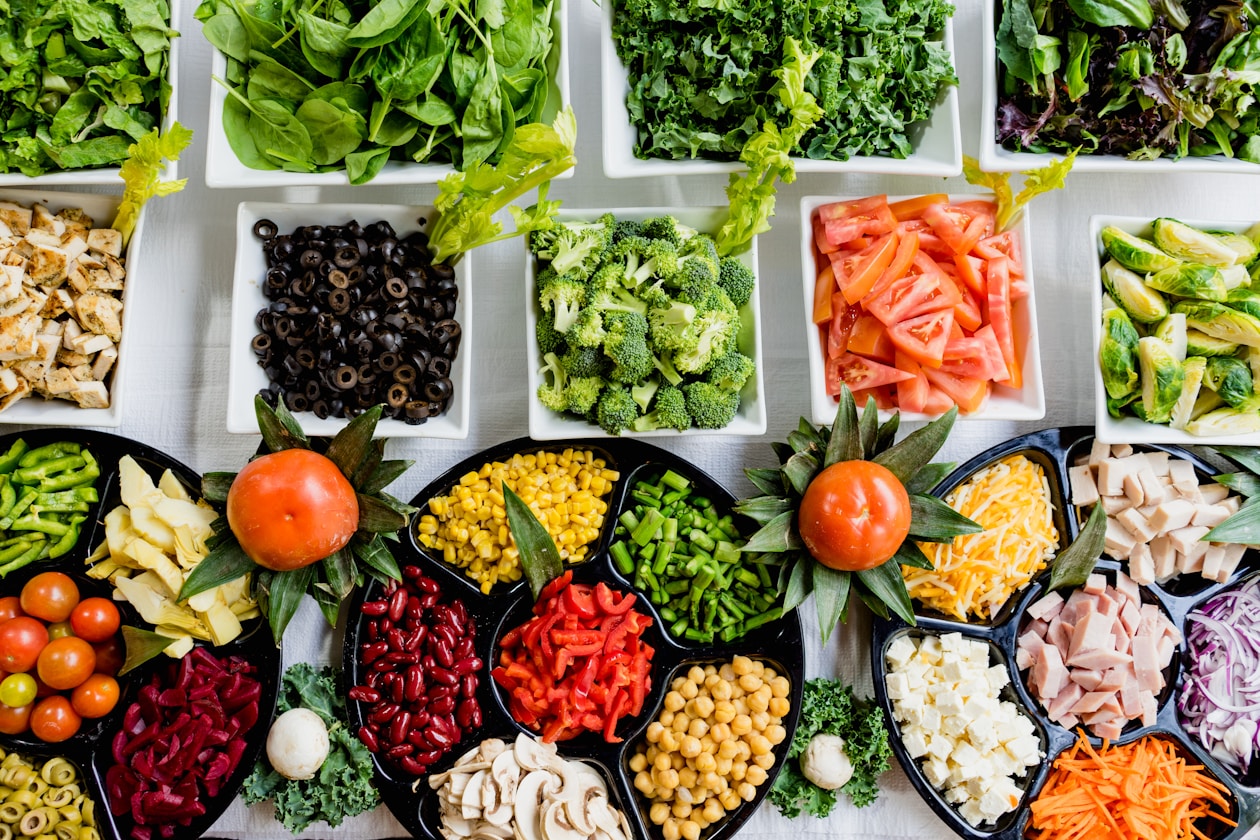
Fresh vegetables and whole foods for healthy weight loss after age 40.
When I first started researching how to lose weight after 40, I realized there was a lot of conflicting advice out there. Some people swear by extreme methods. Others promise shortcuts. But after years of trial, error, and finally finding what works, I can tell you that sustainable weight loss comes down to a few simple, proven principles.
In this guide, I will walk you through exactly what you need to know about how to lose weight after 40, what actually works, what to avoid, and how to get started without feeling overwhelmed.
Medical note: This article is for general educational purposes only. It is not medical advice. If you have a medical condition, take medication, are pregnant, have a history of disordered eating, or are unsure what is safe for you, speak with a qualified healthcare professional before making changes.
Quick Answer
How to lose weight after 40 is absolutely possible when you focus on creating a modest calorie deficit through balanced nutrition, consistent habits, adequate sleep, and stress management. For most people, this leads to a steady weight loss of about 1 to 2 pounds per week without extreme measures or unsafe restrictions.
Editor’s Pick

PhenQ Weight Management Formula
- – Multi-action formula supports metabolism and energy
- – Backed by science with a-Lacys Reset clinical study
- – 60-day money-back guarantee + free worldwide shipping
Check Price >
LIMITED TIME: Up to 20% Off + Free Shipping Worldwide | Offer Ending Soon
Why How to lose weight after 40 Matters
Many people approach weight loss with an all-or-nothing mindset. They either go all in on a restrictive diet or give up entirely. The truth is that lasting change happens in the middle ground. Understanding how to lose weight after 40 means learning how your body actually works and giving it what it needs to release stored fat safely.
It is not about perfection. It is about progress. Small, consistent actions compound over time into significant results.
How It Works
At the most basic level, weight loss happens when your body burns more energy than it takes in. But the quality of your food, your sleep, your stress levels, and your daily movement all play a role in how efficiently that happens.
Here is what actually moves the needle:
- Balanced nutrition: Prioritize protein, fiber, and whole foods while reducing processed items
- Consistent movement: Even light daily activity helps regulate appetite and metabolism
- Adequate sleep: 7 to 9 hours helps control hunger hormones and cravings
- Stress management: High cortisol can make weight loss harder, so finding healthy outlets matters
- Hydration: Drinking water before meals and throughout the day supports natural appetite control
Potential Benefits
1. Sustainable Energy
Unlike crash diets that leave you exhausted, a balanced approach to how to lose weight after 40 keeps your energy steady throughout the day. You can work, exercise, and enjoy life without feeling drained.
2. Better Health Markers
Even modest weight loss can improve blood pressure, cholesterol, blood sugar, and joint health. The benefits go far beyond the number on the scale.
3. Confidence and Mental Clarity
When you stop battling your body and start working with it, something shifts mentally. You feel more in control, more capable, and less stressed about food.
Possible Downsides and Safety Notes
- Slower results: Sustainable weight loss takes time. If you want instant results, this approach requires patience.
- Plateaus: It is normal for weight loss to slow or stall for weeks at a time. This does not mean you are failing.
- Social pressure: Friends and family may not understand why you are not following the latest trend.
- Adjustment period: Changing habits takes time. The first two to four weeks are often the hardest.
Who This Approach Is Best For
Great fit for:
- Beginners who want a clear starting point
- People who have tried extreme diets and regained the weight
- Anyone who wants to improve health without obsession
- Busy people who need a flexible plan
May not suit:
- People preparing for a competition or event with a tight deadline
- Those with medical conditions requiring supervised rapid loss
- Anyone unwilling to commit to consistency
How I Would Approach It
Step 1: Build Your Plate Around Protein and Vegetables
Make protein and veggies the stars of every meal. Add healthy fats and carbs as supporting actors. This simple framework naturally reduces calories while keeping you full.
Step 2: Move Daily in a Way You Enjoy
You do not need to love the gym. Walk, dance, swim, garden, or play with your kids. Consistency beats intensity every time.
Step 3: Sleep Like It Is Part of Your Diet
Because it is. Poor sleep increases hunger and cravings. Aim for 7 to 9 hours and protect your bedtime like an appointment.
Step 4: Track Progress Beyond the Scale
Photos, measurements, energy levels, and how your clothes fit tell a more complete story than weight alone.
Quick Comparison Table
| Factor |
What to Know |
| Best for |
People seeking sustainable, long-term weight loss |
| Main benefit |
Builds habits that last without extreme restriction |
| Biggest limitation |
Results are slower than crash diets or extreme plans |
| Difficulty level |
Easy to Moderate |
| Time to notice changes |
2 to 4 weeks for energy; 4 to 8 weeks for visible results |
| Safety note |
Consult a healthcare professional if you have medical conditions |
| Best paired with |
Meal planning, daily walking, and stress management |
| My take |
The most reliable path to lasting results |
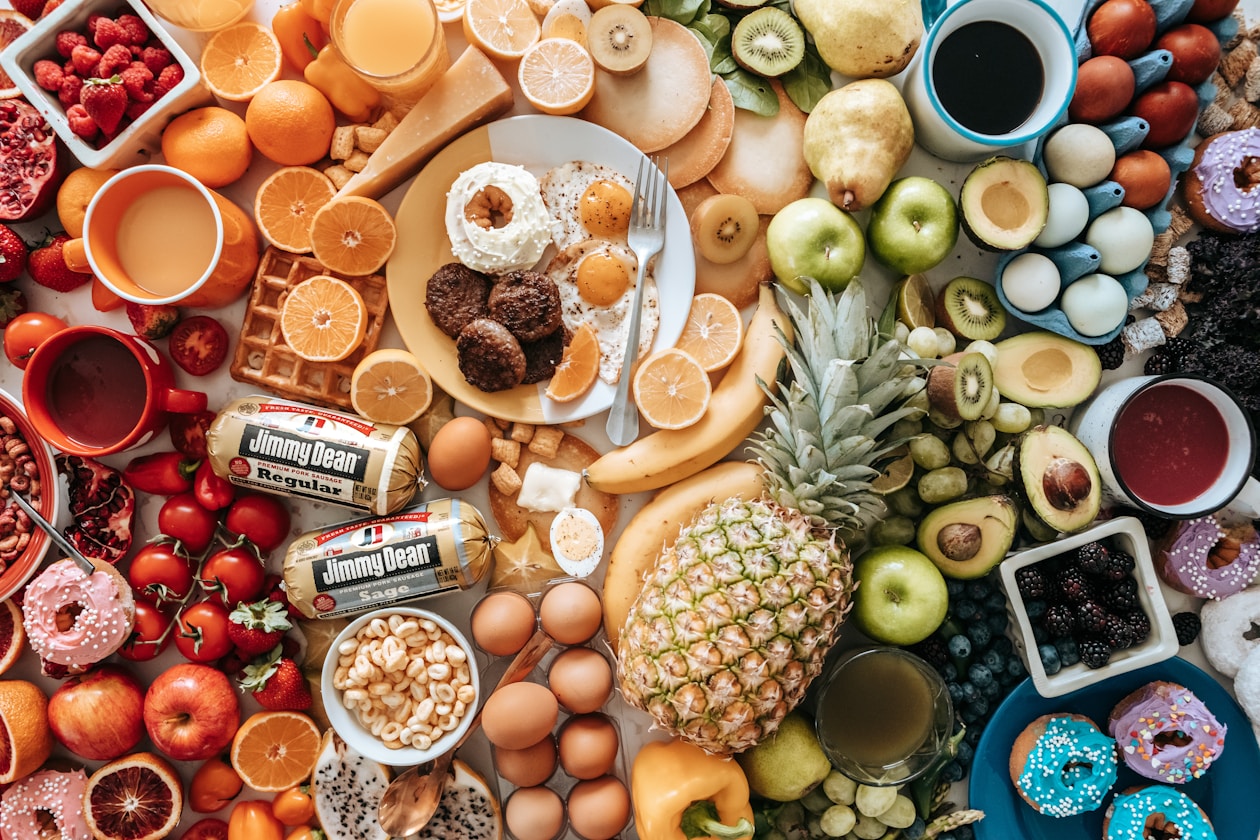
Cooking nutritious vegetables at home for sustainable weight loss after 40.
Common Mistakes to Avoid
Mistake 1: Expecting Linear Progress
Weight fluctuates daily due to water, salt, hormones, and digestion. A single bad day means nothing. Look at trends over weeks, not days.
Mistake 2: Cutting Too Many Calories Too Fast
Drastic restriction backfires. Your metabolism adapts, your hunger surges, and your willpower crumbles. A modest deficit is more effective long term.
Mistake 3: Ignoring Liquid Calories
Sodas, juices, fancy coffees, and alcohol add up fast. They rarely make you feel full. Water, tea, and black coffee are safer bets.
Mistake 4: Comparing Your Chapter 1 to Someone Else’s Chapter 20
Everyone starts somewhere. Your journey is yours. Focus on your own progress instead of Instagram transformations.
Mistake 5: Giving Up After One Bad Meal or Day
One off-plan meal does not ruin your progress. One off-plan weekend does not either. Consistency over time is what creates change.
What Do Reviews or Experiences Say?
After researching hundreds of personal stories, here is what stands out:
Positive experiences often mention:
- Feeling less obsessed with food
- Having more energy for daily life
- Not feeling deprived or hungry all the time
- Finally keeping the weight off
Negative experiences often mention:
- Impatience with the pace of results
- Struggling to stay consistent during stressful periods
- Feeling unsupported by friends or family
The bottom line: people who succeed with how to lose weight after 40 are the ones who commit to the process, not just the outcome.
Alternatives to Consider
| Alternative |
Best For |
Why It May Help |
| Calorie tracking |
People who like data |
Provides precise control over intake |
| Intermittent fasting |
People who prefer eating windows |
Reduces snacking and simplifies meal planning |
| Meal delivery services |
Very busy schedules |
Takes cooking and planning off your plate |
| Working with a dietitian |
Medical conditions or confusion |
Provides personalized, professional guidance |
My Honest Verdict
If you are serious about how to lose weight after 40, the key is patience and consistency. There is no magic solution. There is no shortcut. But there is a proven path, and it starts with simple habits repeated daily.
I believe anyone can achieve their weight loss goals if they stop chasing perfection and start embracing progress.
Frequently Asked Questions
Is how to lose weight after 40 possible?
Yes, with the right combination of nutrition, sleep, stress management, and daily habits, how to lose weight after 40 is absolutely achievable for most people.
How long does it take to see results?
Most people notice improved energy within 2 to 4 weeks. Visible weight loss typically appears within 4 to 8 weeks of consistent effort.
Do I need to count calories?
Not necessarily. Many people lose weight by focusing on whole foods, portion awareness, and mindful eating without strict calorie counting.
What if I hit a plateau?
Plateaus are normal. Try adjusting your portions, increasing daily movement, improving sleep, or managing stress. Small tweaks often restart progress.
Can I do this if I have a medical condition?
If you have a medical condition, are pregnant, or take medication, consult a qualified healthcare professional before starting any weight loss plan.
Related Guides
Final Thoughts
How to lose weight after 40 is not about finding a secret weapon. It is about returning to basics. Real food. Real movement. Real sleep. Real consistency.
You do not need to be perfect. You just need to keep showing up. Start with one small change today, and let the momentum build from there.

Home workout space with simple equipment for losing weight at home.
When I first started researching how to lose weight at home, I realized there was a lot of conflicting advice out there. Some people swear by extreme methods. Others promise shortcuts. But after years of trial, error, and finally finding what works, I can tell you that sustainable weight loss comes down to a few simple, proven principles.
In this guide, I will walk you through exactly what you need to know about how to lose weight at home, what actually works, what to avoid, and how to get started without feeling overwhelmed.
Medical note: This article is for general educational purposes only. It is not medical advice. If you have a medical condition, take medication, are pregnant, have a history of disordered eating, or are unsure what is safe for you, speak with a qualified healthcare professional before making changes.
Quick Answer
How to lose weight at home is absolutely possible when you focus on creating a modest calorie deficit through balanced nutrition, consistent habits, adequate sleep, and stress management. For most people, this leads to a steady weight loss of about 1 to 2 pounds per week without extreme measures or unsafe restrictions.
Editor’s Pick
PhenQ Weight Management Formula
- – Multi-action formula supports metabolism and energy
- – Backed by science with a-Lacys Reset clinical study
- – 60-day money-back guarantee + free worldwide shipping
Check Price >
LIMITED TIME: Up to 20% Off + Free Shipping Worldwide | Offer Ending Soon
Why How to lose weight at home Matters
Many people approach weight loss with an all-or-nothing mindset. They either go all in on a restrictive diet or give up entirely. The truth is that lasting change happens in the middle ground. Understanding how to lose weight at home means learning how your body actually works and giving it what it needs to release stored fat safely.
It is not about perfection. It is about progress. Small, consistent actions compound over time into significant results.
How It Works
At the most basic level, weight loss happens when your body burns more energy than it takes in. But the quality of your food, your sleep, your stress levels, and your daily movement all play a role in how efficiently that happens.
Here is what actually moves the needle:
- Balanced nutrition: Prioritize protein, fiber, and whole foods while reducing processed items
- Consistent movement: Even light daily activity helps regulate appetite and metabolism
- Adequate sleep: 7 to 9 hours helps control hunger hormones and cravings
- Stress management: High cortisol can make weight loss harder, so finding healthy outlets matters
- Hydration: Drinking water before meals and throughout the day supports natural appetite control
Potential Benefits
1. Sustainable Energy
Unlike crash diets that leave you exhausted, a balanced approach to how to lose weight at home keeps your energy steady throughout the day. You can work, exercise, and enjoy life without feeling drained.
2. Better Health Markers
Even modest weight loss can improve blood pressure, cholesterol, blood sugar, and joint health. The benefits go far beyond the number on the scale.
3. Confidence and Mental Clarity
When you stop battling your body and start working with it, something shifts mentally. You feel more in control, more capable, and less stressed about food.
Possible Downsides and Safety Notes
- Slower results: Sustainable weight loss takes time. If you want instant results, this approach requires patience.
- Plateaus: It is normal for weight loss to slow or stall for weeks at a time. This does not mean you are failing.
- Social pressure: Friends and family may not understand why you are not following the latest trend.
- Adjustment period: Changing habits takes time. The first two to four weeks are often the hardest.
Who This Approach Is Best For
Great fit for:
- Beginners who want a clear starting point
- People who have tried extreme diets and regained the weight
- Anyone who wants to improve health without obsession
- Busy people who need a flexible plan
May not suit:
- People preparing for a competition or event with a tight deadline
- Those with medical conditions requiring supervised rapid loss
- Anyone unwilling to commit to consistency
How I Would Approach It
Step 1: Build Your Plate Around Protein and Vegetables
Make protein and veggies the stars of every meal. Add healthy fats and carbs as supporting actors. This simple framework naturally reduces calories while keeping you full.
Step 2: Move Daily in a Way You Enjoy
You do not need to love the gym. Walk, dance, swim, garden, or play with your kids. Consistency beats intensity every time.
Step 3: Sleep Like It Is Part of Your Diet
Because it is. Poor sleep increases hunger and cravings. Aim for 7 to 9 hours and protect your bedtime like an appointment.
Step 4: Track Progress Beyond the Scale
Photos, measurements, energy levels, and how your clothes fit tell a more complete story than weight alone.
Quick Comparison Table
| Factor |
What to Know |
| Best for |
People seeking sustainable, long-term weight loss |
| Main benefit |
Builds habits that last without extreme restriction |
| Biggest limitation |
Results are slower than crash diets or extreme plans |
| Difficulty level |
Easy to Moderate |
| Time to notice changes |
2 to 4 weeks for energy; 4 to 8 weeks for visible results |
| Safety note |
Consult a healthcare professional if you have medical conditions |
| Best paired with |
Meal planning, daily walking, and stress management |
| My take |
The most reliable path to lasting results |

Yoga and stretching exercises at home for weight loss and flexibility.
Common Mistakes to Avoid
Mistake 1: Expecting Linear Progress
Weight fluctuates daily due to water, salt, hormones, and digestion. A single bad day means nothing. Look at trends over weeks, not days.
Mistake 2: Cutting Too Many Calories Too Fast
Drastic restriction backfires. Your metabolism adapts, your hunger surges, and your willpower crumbles. A modest deficit is more effective long term.
Mistake 3: Ignoring Liquid Calories
Sodas, juices, fancy coffees, and alcohol add up fast. They rarely make you feel full. Water, tea, and black coffee are safer bets.
Mistake 4: Comparing Your Chapter 1 to Someone Else’s Chapter 20
Everyone starts somewhere. Your journey is yours. Focus on your own progress instead of Instagram transformations.
Mistake 5: Giving Up After One Bad Meal or Day
One off-plan meal does not ruin your progress. One off-plan weekend does not either. Consistency over time is what creates change.
What Do Reviews or Experiences Say?
After researching hundreds of personal stories, here is what stands out:
Positive experiences often mention:
- Feeling less obsessed with food
- Having more energy for daily life
- Not feeling deprived or hungry all the time
- Finally keeping the weight off
Negative experiences often mention:
- Impatience with the pace of results
- Struggling to stay consistent during stressful periods
- Feeling unsupported by friends or family
The bottom line: people who succeed with how to lose weight at home are the ones who commit to the process, not just the outcome.
Alternatives to Consider
| Alternative |
Best For |
Why It May Help |
| Calorie tracking |
People who like data |
Provides precise control over intake |
| Intermittent fasting |
People who prefer eating windows |
Reduces snacking and simplifies meal planning |
| Meal delivery services |
Very busy schedules |
Takes cooking and planning off your plate |
| Working with a dietitian |
Medical conditions or confusion |
Provides personalized, professional guidance |
My Honest Verdict
If you are serious about how to lose weight at home, the key is patience and consistency. There is no magic solution. There is no shortcut. But there is a proven path, and it starts with simple habits repeated daily.
I believe anyone can achieve their weight loss goals if they stop chasing perfection and start embracing progress.
Frequently Asked Questions
Is how to lose weight at home possible?
Yes, with the right combination of nutrition, sleep, stress management, and daily habits, how to lose weight at home is absolutely achievable for most people.
How long does it take to see results?
Most people notice improved energy within 2 to 4 weeks. Visible weight loss typically appears within 4 to 8 weeks of consistent effort.
Do I need to count calories?
Not necessarily. Many people lose weight by focusing on whole foods, portion awareness, and mindful eating without strict calorie counting.
What if I hit a plateau?
Plateaus are normal. Try adjusting your portions, increasing daily movement, improving sleep, or managing stress. Small tweaks often restart progress.
Can I do this if I have a medical condition?
If you have a medical condition, are pregnant, or take medication, consult a qualified healthcare professional before starting any weight loss plan.
Related Guides
Final Thoughts
How to lose weight at home is not about finding a secret weapon. It is about returning to basics. Real food. Real movement. Real sleep. Real consistency.
You do not need to be perfect. You just need to keep showing up. Start with one small change today, and let the momentum build from there.
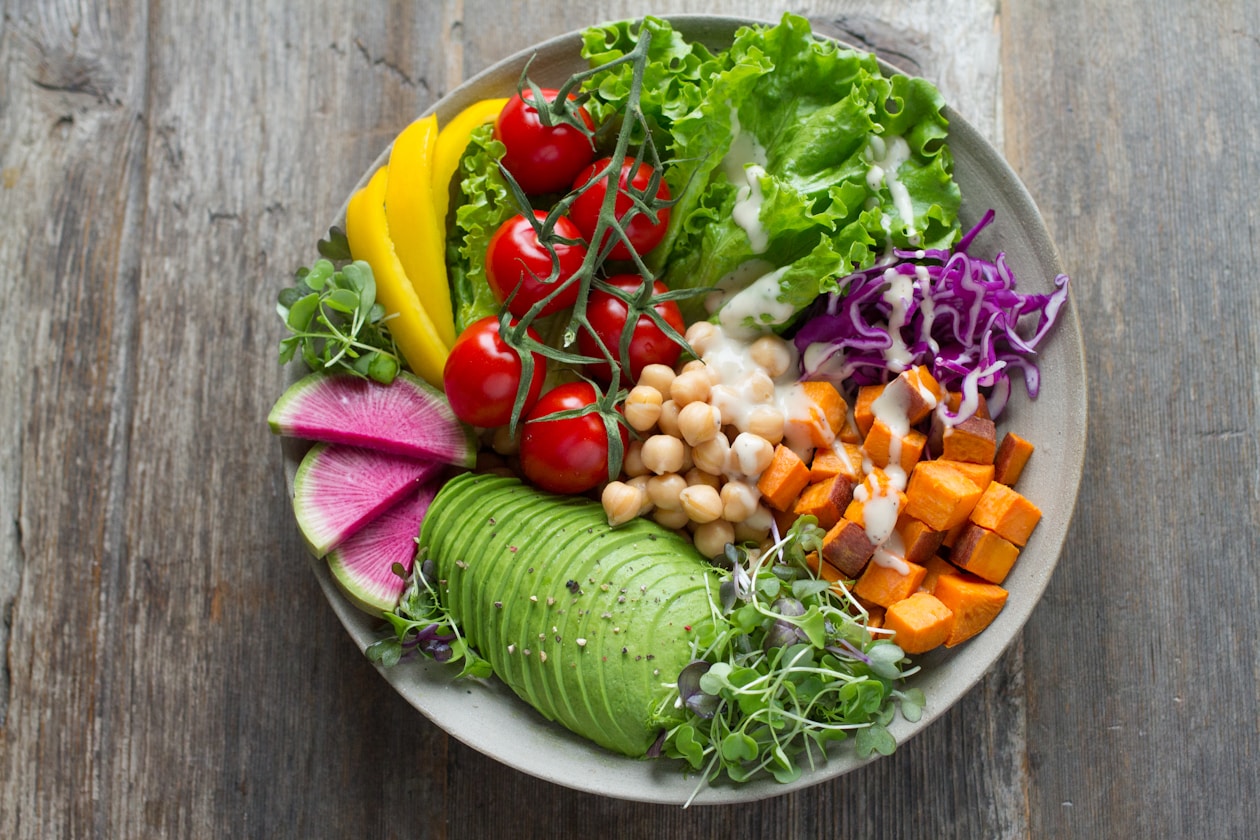
Fresh healthy salad bowl with vegetables for starting a weight loss journey.
When I first started researching how to start losing weight, I realized there was a lot of conflicting advice out there. Some people swear by extreme methods. Others promise shortcuts. But after years of trial, error, and finally finding what works, I can tell you that sustainable weight loss comes down to a few simple, proven principles.
In this guide, I will walk you through exactly what you need to know about how to start losing weight, what actually works, what to avoid, and how to get started without feeling overwhelmed.
Medical note: This article is for general educational purposes only. It is not medical advice. If you have a medical condition, take medication, are pregnant, have a history of disordered eating, or are unsure what is safe for you, speak with a qualified healthcare professional before making changes.
Quick Answer
How to start losing weight is absolutely possible when you focus on creating a modest calorie deficit through balanced nutrition, consistent habits, adequate sleep, and stress management. For most people, this leads to a steady weight loss of about 1 to 2 pounds per week without extreme measures or unsafe restrictions.
Editor’s Pick
PhenQ Weight Management Formula
- – Multi-action formula supports metabolism and energy
- – Backed by science with a-Lacys Reset clinical study
- – 60-day money-back guarantee + free worldwide shipping
Check Price >
LIMITED TIME: Up to 20% Off + Free Shipping Worldwide | Offer Ending Soon
Why How to start losing weight Matters
Many people approach weight loss with an all-or-nothing mindset. They either go all in on a restrictive diet or give up entirely. The truth is that lasting change happens in the middle ground. Understanding how to start losing weight means learning how your body actually works and giving it what it needs to release stored fat safely.
It is not about perfection. It is about progress. Small, consistent actions compound over time into significant results.
How It Works
At the most basic level, weight loss happens when your body burns more energy than it takes in. But the quality of your food, your sleep, your stress levels, and your daily movement all play a role in how efficiently that happens.
Here is what actually moves the needle:
- Balanced nutrition: Prioritize protein, fiber, and whole foods while reducing processed items
- Consistent movement: Even light daily activity helps regulate appetite and metabolism
- Adequate sleep: 7 to 9 hours helps control hunger hormones and cravings
- Stress management: High cortisol can make weight loss harder, so finding healthy outlets matters
- Hydration: Drinking water before meals and throughout the day supports natural appetite control
Potential Benefits
1. Sustainable Energy
Unlike crash diets that leave you exhausted, a balanced approach to how to start losing weight keeps your energy steady throughout the day. You can work, exercise, and enjoy life without feeling drained.
2. Better Health Markers
Even modest weight loss can improve blood pressure, cholesterol, blood sugar, and joint health. The benefits go far beyond the number on the scale.
3. Confidence and Mental Clarity
When you stop battling your body and start working with it, something shifts mentally. You feel more in control, more capable, and less stressed about food.
Possible Downsides and Safety Notes
- Slower results: Sustainable weight loss takes time. If you want instant results, this approach requires patience.
- Plateaus: It is normal for weight loss to slow or stall for weeks at a time. This does not mean you are failing.
- Social pressure: Friends and family may not understand why you are not following the latest trend.
- Adjustment period: Changing habits takes time. The first two to four weeks are often the hardest.
Who This Approach Is Best For
Great fit for:
- Beginners who want a clear starting point
- People who have tried extreme diets and regained the weight
- Anyone who wants to improve health without obsession
- Busy people who need a flexible plan
May not suit:
- People preparing for a competition or event with a tight deadline
- Those with medical conditions requiring supervised rapid loss
- Anyone unwilling to commit to consistency
How I Would Approach It
Step 1: Build Your Plate Around Protein and Vegetables
Make protein and veggies the stars of every meal. Add healthy fats and carbs as supporting actors. This simple framework naturally reduces calories while keeping you full.
Step 2: Move Daily in a Way You Enjoy
You do not need to love the gym. Walk, dance, swim, garden, or play with your kids. Consistency beats intensity every time.
Step 3: Sleep Like It Is Part of Your Diet
Because it is. Poor sleep increases hunger and cravings. Aim for 7 to 9 hours and protect your bedtime like an appointment.
Step 4: Track Progress Beyond the Scale
Photos, measurements, energy levels, and how your clothes fit tell a more complete story than weight alone.
Quick Comparison Table
| Factor |
What to Know |
| Best for |
People seeking sustainable, long-term weight loss |
| Main benefit |
Builds habits that last without extreme restriction |
| Biggest limitation |
Results are slower than crash diets or extreme plans |
| Difficulty level |
Easy to Moderate |
| Time to notice changes |
2 to 4 weeks for energy; 4 to 8 weeks for visible results |
| Safety note |
Consult a healthcare professional if you have medical conditions |
| Best paired with |
Meal planning, daily walking, and stress management |
| My take |
The most reliable path to lasting results |
Walking in the park as an easy first step to start losing weight today.
Common Mistakes to Avoid
Mistake 1: Expecting Linear Progress
Weight fluctuates daily due to water, salt, hormones, and digestion. A single bad day means nothing. Look at trends over weeks, not days.
Mistake 2: Cutting Too Many Calories Too Fast
Drastic restriction backfires. Your metabolism adapts, your hunger surges, and your willpower crumbles. A modest deficit is more effective long term.
Mistake 3: Ignoring Liquid Calories
Sodas, juices, fancy coffees, and alcohol add up fast. They rarely make you feel full. Water, tea, and black coffee are safer bets.
Mistake 4: Comparing Your Chapter 1 to Someone Else’s Chapter 20
Everyone starts somewhere. Your journey is yours. Focus on your own progress instead of Instagram transformations.
Mistake 5: Giving Up After One Bad Meal or Day
One off-plan meal does not ruin your progress. One off-plan weekend does not either. Consistency over time is what creates change.
What Do Reviews or Experiences Say?
After researching hundreds of personal stories, here is what stands out:
Positive experiences often mention:
- Feeling less obsessed with food
- Having more energy for daily life
- Not feeling deprived or hungry all the time
- Finally keeping the weight off
Negative experiences often mention:
- Impatience with the pace of results
- Struggling to stay consistent during stressful periods
- Feeling unsupported by friends or family
The bottom line: people who succeed with how to start losing weight are the ones who commit to the process, not just the outcome.
Alternatives to Consider
| Alternative |
Best For |
Why It May Help |
| Calorie tracking |
People who like data |
Provides precise control over intake |
| Intermittent fasting |
People who prefer eating windows |
Reduces snacking and simplifies meal planning |
| Meal delivery services |
Very busy schedules |
Takes cooking and planning off your plate |
| Working with a dietitian |
Medical conditions or confusion |
Provides personalized, professional guidance |
My Honest Verdict
If you are serious about how to start losing weight, the key is patience and consistency. There is no magic solution. There is no shortcut. But there is a proven path, and it starts with simple habits repeated daily.
I believe anyone can achieve their weight loss goals if they stop chasing perfection and start embracing progress.
Frequently Asked Questions
Is how to start losing weight possible?
Yes, with the right combination of nutrition, sleep, stress management, and daily habits, how to start losing weight is absolutely achievable for most people.
How long does it take to see results?
Most people notice improved energy within 2 to 4 weeks. Visible weight loss typically appears within 4 to 8 weeks of consistent effort.
Do I need to count calories?
Not necessarily. Many people lose weight by focusing on whole foods, portion awareness, and mindful eating without strict calorie counting.
What if I hit a plateau?
Plateaus are normal. Try adjusting your portions, increasing daily movement, improving sleep, or managing stress. Small tweaks often restart progress.
Can I do this if I have a medical condition?
If you have a medical condition, are pregnant, or take medication, consult a qualified healthcare professional before starting any weight loss plan.
Related Guides
Final Thoughts
How to start losing weight is not about finding a secret weapon. It is about returning to basics. Real food. Real movement. Real sleep. Real consistency.
You do not need to be perfect. You just need to keep showing up. Start with one small change today, and let the momentum build from there.

Woman doing fitness exercise to support healthy weight loss goals.
When I first started researching how to lose weight with exercise, I realized there was a lot of conflicting advice out there. Some people swear by extreme methods. Others promise shortcuts. But after years of trial, error, and finally finding what works, I can tell you that sustainable weight loss comes down to a few simple, proven principles.
In this guide, I will walk you through exactly what you need to know about how to lose weight with exercise, what actually works, what to avoid, and how to get started without feeling overwhelmed.
Medical note: This article is for general educational purposes only. It is not medical advice. If you have a medical condition, take medication, are pregnant, have a history of disordered eating, or are unsure what is safe for you, speak with a qualified healthcare professional before making changes.
Quick Answer
How to lose weight with exercise is absolutely possible when you focus on creating a modest calorie deficit through balanced nutrition, consistent habits, adequate sleep, and stress management. For most people, this leads to a steady weight loss of about 1 to 2 pounds per week without extreme measures or unsafe restrictions.
Editor’s Pick
PhenQ Weight Management Formula
- – Multi-action formula supports metabolism and energy
- – Backed by science with a-Lacys Reset clinical study
- – 60-day money-back guarantee + free worldwide shipping
Check Price >
LIMITED TIME: Up to 20% Off + Free Shipping Worldwide | Offer Ending Soon
Why How to lose weight with exercise Matters
Many people approach weight loss with an all-or-nothing mindset. They either go all in on a restrictive diet or give up entirely. The truth is that lasting change happens in the middle ground. Understanding how to lose weight with exercise means learning how your body actually works and giving it what it needs to release stored fat safely.
It is not about perfection. It is about progress. Small, consistent actions compound over time into significant results.
How It Works
At the most basic level, weight loss happens when your body burns more energy than it takes in. But the quality of your food, your sleep, your stress levels, and your daily movement all play a role in how efficiently that happens.
Here is what actually moves the needle:
- Balanced nutrition: Prioritize protein, fiber, and whole foods while reducing processed items
- Consistent movement: Even light daily activity helps regulate appetite and metabolism
- Adequate sleep: 7 to 9 hours helps control hunger hormones and cravings
- Stress management: High cortisol can make weight loss harder, so finding healthy outlets matters
- Hydration: Drinking water before meals and throughout the day supports natural appetite control
Potential Benefits
1. Sustainable Energy
Unlike crash diets that leave you exhausted, a balanced approach to how to lose weight with exercise keeps your energy steady throughout the day. You can work, exercise, and enjoy life without feeling drained.
2. Better Health Markers
Even modest weight loss can improve blood pressure, cholesterol, blood sugar, and joint health. The benefits go far beyond the number on the scale.
3. Confidence and Mental Clarity
When you stop battling your body and start working with it, something shifts mentally. You feel more in control, more capable, and less stressed about food.
Possible Downsides and Safety Notes
- Slower results: Sustainable weight loss takes time. If you want instant results, this approach requires patience.
- Plateaus: It is normal for weight loss to slow or stall for weeks at a time. This does not mean you are failing.
- Social pressure: Friends and family may not understand why you are not following the latest trend.
- Adjustment period: Changing habits takes time. The first two to four weeks are often the hardest.
Who This Approach Is Best For
Great fit for:
- Beginners who want a clear starting point
- People who have tried extreme diets and regained the weight
- Anyone who wants to improve health without obsession
- Busy people who need a flexible plan
May not suit:
- People preparing for a competition or event with a tight deadline
- Those with medical conditions requiring supervised rapid loss
- Anyone unwilling to commit to consistency
How I Would Approach It
Step 1: Build Your Plate Around Protein and Vegetables
Make protein and veggies the stars of every meal. Add healthy fats and carbs as supporting actors. This simple framework naturally reduces calories while keeping you full.
Step 2: Move Daily in a Way You Enjoy
You do not need to love the gym. Walk, dance, swim, garden, or play with your kids. Consistency beats intensity every time.
Step 3: Sleep Like It Is Part of Your Diet
Because it is. Poor sleep increases hunger and cravings. Aim for 7 to 9 hours and protect your bedtime like an appointment.
Step 4: Track Progress Beyond the Scale
Photos, measurements, energy levels, and how your clothes fit tell a more complete story than weight alone.
Quick Comparison Table
| Factor |
What to Know |
| Best for |
People seeking sustainable, long-term weight loss |
| Main benefit |
Builds habits that last without extreme restriction |
| Biggest limitation |
Results are slower than crash diets or extreme plans |
| Difficulty level |
Easy to Moderate |
| Time to notice changes |
2 to 4 weeks for energy; 4 to 8 weeks for visible results |
| Safety note |
Consult a healthcare professional if you have medical conditions |
| Best paired with |
Meal planning, daily walking, and stress management |
| My take |
The most reliable path to lasting results |
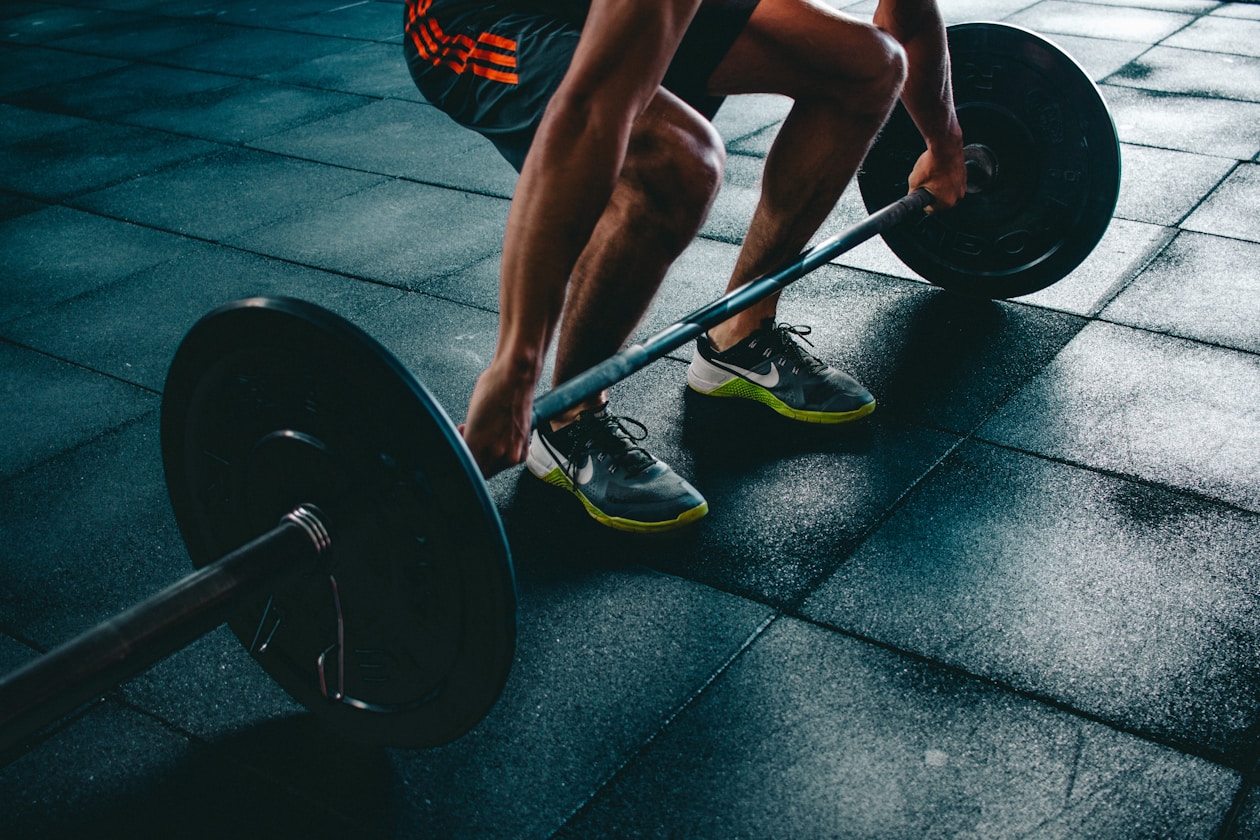
Outdoor running and jogging for effective weight loss through exercise.
Common Mistakes to Avoid
Mistake 1: Expecting Linear Progress
Weight fluctuates daily due to water, salt, hormones, and digestion. A single bad day means nothing. Look at trends over weeks, not days.
Mistake 2: Cutting Too Many Calories Too Fast
Drastic restriction backfires. Your metabolism adapts, your hunger surges, and your willpower crumbles. A modest deficit is more effective long term.
Mistake 3: Ignoring Liquid Calories
Sodas, juices, fancy coffees, and alcohol add up fast. They rarely make you feel full. Water, tea, and black coffee are safer bets.
Mistake 4: Comparing Your Chapter 1 to Someone Else’s Chapter 20
Everyone starts somewhere. Your journey is yours. Focus on your own progress instead of Instagram transformations.
Mistake 5: Giving Up After One Bad Meal or Day
One off-plan meal does not ruin your progress. One off-plan weekend does not either. Consistency over time is what creates change.
What Do Reviews or Experiences Say?
After researching hundreds of personal stories, here is what stands out:
Positive experiences often mention:
- Feeling less obsessed with food
- Having more energy for daily life
- Not feeling deprived or hungry all the time
- Finally keeping the weight off
Negative experiences often mention:
- Impatience with the pace of results
- Struggling to stay consistent during stressful periods
- Feeling unsupported by friends or family
The bottom line: people who succeed with how to lose weight with exercise are the ones who commit to the process, not just the outcome.
Alternatives to Consider
| Alternative |
Best For |
Why It May Help |
| Calorie tracking |
People who like data |
Provides precise control over intake |
| Intermittent fasting |
People who prefer eating windows |
Reduces snacking and simplifies meal planning |
| Meal delivery services |
Very busy schedules |
Takes cooking and planning off your plate |
| Working with a dietitian |
Medical conditions or confusion |
Provides personalized, professional guidance |
My Honest Verdict
If you are serious about how to lose weight with exercise, the key is patience and consistency. There is no magic solution. There is no shortcut. But there is a proven path, and it starts with simple habits repeated daily.
I believe anyone can achieve their weight loss goals if they stop chasing perfection and start embracing progress.
Frequently Asked Questions
Is how to lose weight with exercise possible?
Yes, with the right combination of nutrition, sleep, stress management, and daily habits, how to lose weight with exercise is absolutely achievable for most people.
How long does it take to see results?
Most people notice improved energy within 2 to 4 weeks. Visible weight loss typically appears within 4 to 8 weeks of consistent effort.
Do I need to count calories?
Not necessarily. Many people lose weight by focusing on whole foods, portion awareness, and mindful eating without strict calorie counting.
What if I hit a plateau?
Plateaus are normal. Try adjusting your portions, increasing daily movement, improving sleep, or managing stress. Small tweaks often restart progress.
Can I do this if I have a medical condition?
If you have a medical condition, are pregnant, or take medication, consult a qualified healthcare professional before starting any weight loss plan.
Related Guides
Final Thoughts
How to lose weight with exercise is not about finding a secret weapon. It is about returning to basics. Real food. Real movement. Real sleep. Real consistency.
You do not need to be perfect. You just need to keep showing up. Start with one small change today, and let the momentum build from there.
Healthy home environment with nutritious food for weight loss without exercise.
When I first started researching how to lose weight without exercise, I realized there was a lot of conflicting advice out there. Some people swear by extreme methods. Others promise shortcuts. But after years of trial, error, and finally finding what works, I can tell you that sustainable weight loss comes down to a few simple, proven principles.
In this guide, I will walk you through exactly what you need to know about how to lose weight without exercise, what actually works, what to avoid, and how to get started without feeling overwhelmed.
Medical note: This article is for general educational purposes only. It is not medical advice. If you have a medical condition, take medication, are pregnant, have a history of disordered eating, or are unsure what is safe for you, speak with a qualified healthcare professional before making changes.
Quick Answer
How to lose weight without exercise is absolutely possible when you focus on creating a modest calorie deficit through balanced nutrition, consistent habits, adequate sleep, and stress management. For most people, this leads to a steady weight loss of about 1 to 2 pounds per week without extreme measures or unsafe restrictions.
Editor’s Pick
PhenQ Weight Management Formula
- – Multi-action formula supports metabolism and energy
- – Backed by science with a-Lacys Reset clinical study
- – 60-day money-back guarantee + free worldwide shipping
Check Price >
LIMITED TIME: Up to 20% Off + Free Shipping Worldwide | Offer Ending Soon
Why How to lose weight without exercise Matters
Many people approach weight loss with an all-or-nothing mindset. They either go all in on a restrictive diet or give up entirely. The truth is that lasting change happens in the middle ground. Understanding how to lose weight without exercise means learning how your body actually works and giving it what it needs to release stored fat safely.
It is not about perfection. It is about progress. Small, consistent actions compound over time into significant results.
How It Works
At the most basic level, weight loss happens when your body burns more energy than it takes in. But the quality of your food, your sleep, your stress levels, and your daily movement all play a role in how efficiently that happens.
Here is what actually moves the needle:
- Balanced nutrition: Prioritize protein, fiber, and whole foods while reducing processed items
- Consistent movement: Even light daily activity helps regulate appetite and metabolism
- Adequate sleep: 7 to 9 hours helps control hunger hormones and cravings
- Stress management: High cortisol can make weight loss harder, so finding healthy outlets matters
- Hydration: Drinking water before meals and throughout the day supports natural appetite control
Potential Benefits
1. Sustainable Energy
Unlike crash diets that leave you exhausted, a balanced approach to how to lose weight without exercise keeps your energy steady throughout the day. You can work, exercise, and enjoy life without feeling drained.
2. Better Health Markers
Even modest weight loss can improve blood pressure, cholesterol, blood sugar, and joint health. The benefits go far beyond the number on the scale.
3. Confidence and Mental Clarity
When you stop battling your body and start working with it, something shifts mentally. You feel more in control, more capable, and less stressed about food.
Possible Downsides and Safety Notes
- Slower results: Sustainable weight loss takes time. If you want instant results, this approach requires patience.
- Plateaus: It is normal for weight loss to slow or stall for weeks at a time. This does not mean you are failing.
- Social pressure: Friends and family may not understand why you are not following the latest trend.
- Adjustment period: Changing habits takes time. The first two to four weeks are often the hardest.
Who This Approach Is Best For
Great fit for:
- Beginners who want a clear starting point
- People who have tried extreme diets and regained the weight
- Anyone who wants to improve health without obsession
- Busy people who need a flexible plan
May not suit:
- People preparing for a competition or event with a tight deadline
- Those with medical conditions requiring supervised rapid loss
- Anyone unwilling to commit to consistency
How I Would Approach It
Step 1: Build Your Plate Around Protein and Vegetables
Make protein and veggies the stars of every meal. Add healthy fats and carbs as supporting actors. This simple framework naturally reduces calories while keeping you full.
Step 2: Move Daily in a Way You Enjoy
You do not need to love the gym. Walk, dance, swim, garden, or play with your kids. Consistency beats intensity every time.
Step 3: Sleep Like It Is Part of Your Diet
Because it is. Poor sleep increases hunger and cravings. Aim for 7 to 9 hours and protect your bedtime like an appointment.
Step 4: Track Progress Beyond the Scale
Photos, measurements, energy levels, and how your clothes fit tell a more complete story than weight alone.
Quick Comparison Table
| Factor |
What to Know |
| Best for |
People seeking sustainable, long-term weight loss |
| Main benefit |
Builds habits that last without extreme restriction |
| Biggest limitation |
Results are slower than crash diets or extreme plans |
| Difficulty level |
Easy to Moderate |
| Time to notice changes |
2 to 4 weeks for energy; 4 to 8 weeks for visible results |
| Safety note |
Consult a healthcare professional if you have medical conditions |
| Best paired with |
Meal planning, daily walking, and stress management |
| My take |
The most reliable path to lasting results |

Cooking healthy meals at home to support weight loss without gym workouts.
Common Mistakes to Avoid
Mistake 1: Expecting Linear Progress
Weight fluctuates daily due to water, salt, hormones, and digestion. A single bad day means nothing. Look at trends over weeks, not days.
Mistake 2: Cutting Too Many Calories Too Fast
Drastic restriction backfires. Your metabolism adapts, your hunger surges, and your willpower crumbles. A modest deficit is more effective long term.
Mistake 3: Ignoring Liquid Calories
Sodas, juices, fancy coffees, and alcohol add up fast. They rarely make you feel full. Water, tea, and black coffee are safer bets.
Mistake 4: Comparing Your Chapter 1 to Someone Else’s Chapter 20
Everyone starts somewhere. Your journey is yours. Focus on your own progress instead of Instagram transformations.
Mistake 5: Giving Up After One Bad Meal or Day
One off-plan meal does not ruin your progress. One off-plan weekend does not either. Consistency over time is what creates change.
What Do Reviews or Experiences Say?
After researching hundreds of personal stories, here is what stands out:
Positive experiences often mention:
- Feeling less obsessed with food
- Having more energy for daily life
- Not feeling deprived or hungry all the time
- Finally keeping the weight off
Negative experiences often mention:
- Impatience with the pace of results
- Struggling to stay consistent during stressful periods
- Feeling unsupported by friends or family
The bottom line: people who succeed with how to lose weight without exercise are the ones who commit to the process, not just the outcome.
Alternatives to Consider
| Alternative |
Best For |
Why It May Help |
| Calorie tracking |
People who like data |
Provides precise control over intake |
| Intermittent fasting |
People who prefer eating windows |
Reduces snacking and simplifies meal planning |
| Meal delivery services |
Very busy schedules |
Takes cooking and planning off your plate |
| Working with a dietitian |
Medical conditions or confusion |
Provides personalized, professional guidance |
My Honest Verdict
If you are serious about how to lose weight without exercise, the key is patience and consistency. There is no magic solution. There is no shortcut. But there is a proven path, and it starts with simple habits repeated daily.
I believe anyone can achieve their weight loss goals if they stop chasing perfection and start embracing progress.
Frequently Asked Questions
Is how to lose weight without exercise possible?
Yes, with the right combination of nutrition, sleep, stress management, and daily habits, how to lose weight without exercise is absolutely achievable for most people.
How long does it take to see results?
Most people notice improved energy within 2 to 4 weeks. Visible weight loss typically appears within 4 to 8 weeks of consistent effort.
Do I need to count calories?
Not necessarily. Many people lose weight by focusing on whole foods, portion awareness, and mindful eating without strict calorie counting.
What if I hit a plateau?
Plateaus are normal. Try adjusting your portions, increasing daily movement, improving sleep, or managing stress. Small tweaks often restart progress.
Can I do this if I have a medical condition?
If you have a medical condition, are pregnant, or take medication, consult a qualified healthcare professional before starting any weight loss plan.
Related Guides
Final Thoughts
How to lose weight without exercise is not about finding a secret weapon. It is about returning to basics. Real food. Real movement. Real sleep. Real consistency.
You do not need to be perfect. You just need to keep showing up. Start with one small change today, and let the momentum build from there.
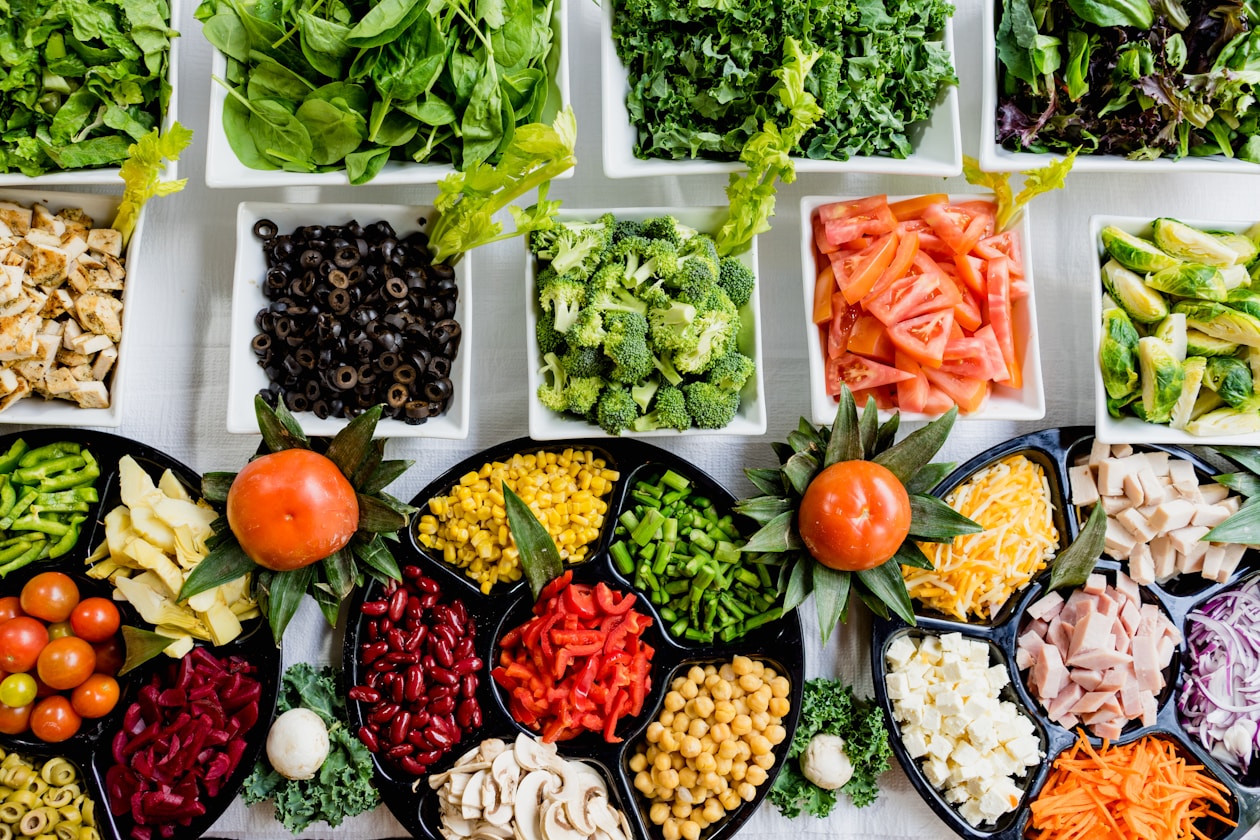
Fresh whole foods – the foundation of natural weight loss.
When people ask me about the best way to drop pounds, they usually expect me to mention a specific diet, a trendy supplement, or some complicated meal plan. But honestly? The most effective approach I have found is also the simplest: learning how to lose weight naturally. No pills, no powders, no extreme rules. Just real food, real movement, and real consistency.
If you are tired of counting every calorie, obsessing over macros, and feeling guilty every time you eat something that is not on your “approved” list, this guide is for you. Let me show you what natural weight loss actually looks like and how to make it work for your life.
Medical note: This article is for general educational purposes only. It is not medical advice. If you have a medical condition, take medication, are pregnant, have a history of disordered eating, or are unsure what is safe for you, speak with a qualified healthcare professional before making changes.
Quick Answer
Losing weight naturally means making gradual, sustainable changes to your eating habits, activity level, sleep, and stress management without relying on restrictive diets, supplements, or extreme exercise. For most people, this leads to a steady weight loss of about 1 to 2 pounds per week while improving energy, mood, and overall health.
Editor’s Pick
PhenQ Weight Management Formula
- – Multi-action formula supports metabolism and energy
- – Backed by science with a-Lacys Reset clinical study
- – 60-day money-back guarantee + free worldwide shipping
Check Price >
LIMITED TIME: Up to 20% Off + Free Shipping Worldwide | Offer Ending Soon
What Does It Mean to Lose Weight Naturally?
When I say “naturally,” I mean working with your body instead of against it. It is not about forcing rapid results through willpower. It is about creating an environment where your body feels safe enough to release stored fat.
Think of it like tending a garden. You do not scream at plants to grow faster. You give them water, sunlight, good soil, and patience. Your body works the same way. Natural weight loss focuses on:
- Eating mostly whole, unprocessed foods
- Moving your body in ways you enjoy
- Sleeping enough to regulate hunger hormones
- Managing stress so you are not emotionally eating every night
- Drinking water instead of liquid calories
- Building habits that feel automatic, not forced
How Natural Weight Loss Works
Your body is constantly balancing energy in and energy out. When you eat more than you burn, your body stores the excess. When you consistently eat slightly less than you burn, your body taps into stored energy.
But here is the key: natural weight loss does not try to create a massive deficit overnight. Instead, it gently nudges the balance in your favor by:
- Reducing processed foods that are easy to overeat
- Increasing fiber and protein to keep you full longer
- Adding daily movement to burn more calories without feeling like punishment
- Improving sleep so your hunger cues work properly
- Lowering stress so cortisol does not signal your body to store fat
It is slow, steady, and sustainable. And most importantly, it does not feel like a diet.
Potential Benefits of Natural Weight Loss
1. Better Relationship With Food
When you stop labeling foods as “good” or “bad,” you stop feeling guilty about eating. You learn to eat when you are hungry, stop when you are satisfied, and enjoy your meals without anxiety.
2. Steady Energy All Day
Processed foods and sugar crashes lead to the 3 p.m. slump. Whole foods provide steady, lasting energy so you can focus at work, play with your kids, and still have energy for a walk after dinner.
3. Habits That Stick
The best part of natural weight loss is that it does not end. There is no finish line. The habits you build become part of who you are, which means the results last.
Possible Downsides and Safety Notes
Even natural weight loss has things to watch for:
- Slower results: If you want to lose 20 pounds in a month, natural methods will disappoint you.
- Requires patience: You have to trust the process even when the scale barely moves.
- Not always linear: Some weeks you will lose weight. Some weeks you will not. That is normal.
- Social pressure: Friends and family may question why you are not doing keto, intermittent fasting, or some trendy plan.
Who Might Benefit From Natural Weight Loss?
This approach is great for:
- People who have tried every diet and regained the weight
- Anyone who wants a flexible plan that works with real life
- People who struggle with emotional or stress eating
- Beginners who feel overwhelmed by complicated rules
It may not be the best fit for:
- People preparing for a specific event with a tight deadline
- Those with medical conditions requiring supervised rapid weight loss
- Anyone looking for a quick fix
How I Would Approach Natural Weight Loss
If I were starting today, here is exactly what I would do:
Step 1: Fill Half Your Plate With Vegetables
Not because vegetables are magical, but because they are filling, nutritious, and naturally low in calories. This one change automatically reduces your calorie intake without you thinking about it.
Step 2: Eat Protein at Every Meal
Protein keeps you full, preserves muscle, and has a higher thermic effect than carbs or fats. Aim for eggs, chicken, fish, beans, tofu, or Greek yogurt.
Step 3: Walk 30 Minutes a Day
You do not need a gym membership. A 30-minute walk after lunch or dinner burns calories, reduces stress, and improves digestion. It is the easiest win.
Step 4: Sleep 7 to 9 Hours
Poor sleep increases ghrelin (hunger hormone) and decreases leptin (fullness hormone). Translation: you eat more when you are tired. Prioritize sleep like it is part of your diet.
Quick Comparison Table
| Factor |
What to Know |
| Best for |
People tired of restrictive diets and quick fixes |
| Main benefit |
Sustainable habits and improved relationship with food |
| Biggest limitation |
Results are slower than structured diets |
| Difficulty level |
Easy |
| Time to notice changes |
2 to 4 weeks for energy; 6 to 12 weeks for visible weight loss |
| Safety note |
Always consult a healthcare professional if you have medical conditions |
| Best paired with |
Walking, meal prepping, and stress management |
| My take |
The most sustainable approach for long-term success |
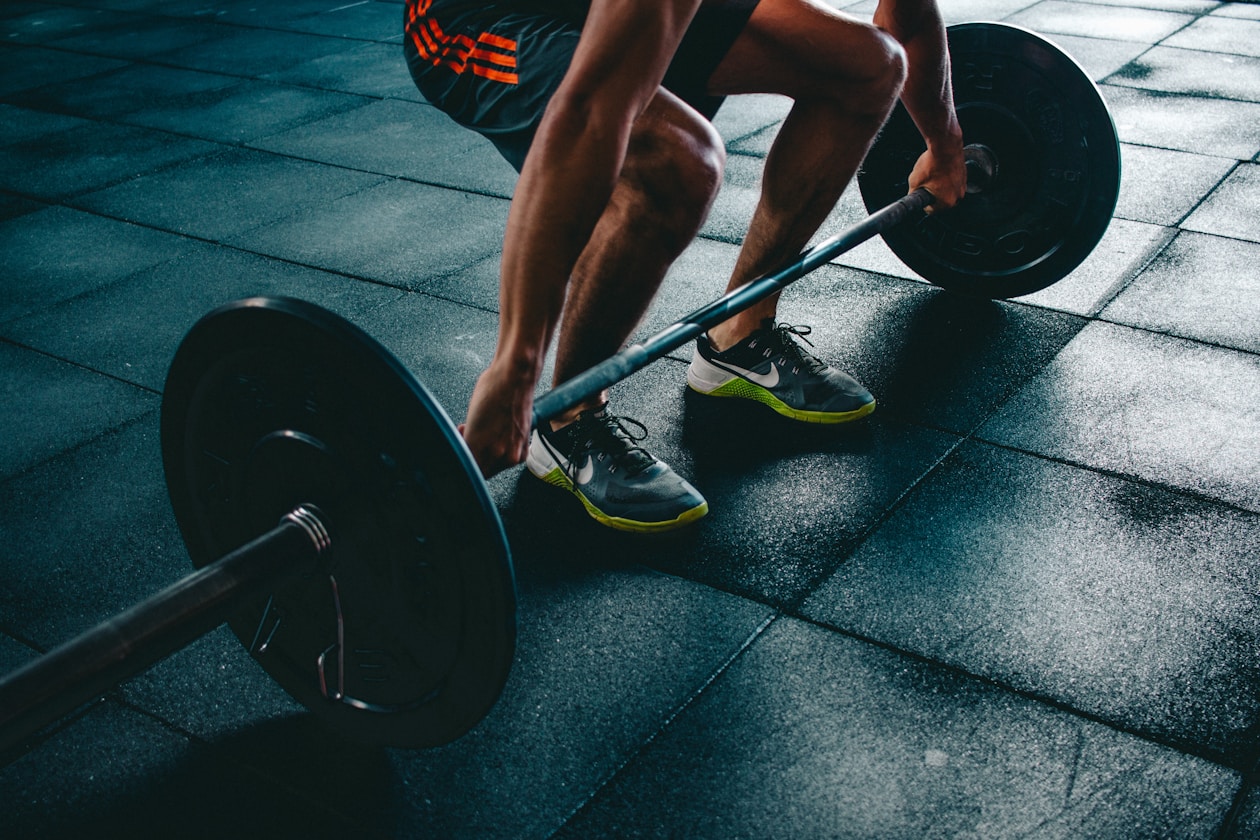
Outdoor movement is one of the most natural ways to support weight loss.
Common Mistakes to Avoid
Mistake 1: Thinking Natural Means “Do Nothing”
Natural weight loss still requires effort. You have to make changes. The difference is that the changes are gentle and sustainable, not extreme.
Mistake 2: Replacing Junk With “Natural Junk”
Organic cookies, gluten-free chips, and natural soda are still processed foods. Natural weight loss means focusing on whole foods, not just swapping one packaged product for another.
Mistake 3: Ignoring Portion Sizes
Even healthy foods have calories. Nuts, avocado, and olive oil are nutritious but calorie-dense. Portion awareness still matters.
Mistake 4: Forgetting About Liquid Calories
Smoothies, juices, fancy coffees, and sodas can add hundreds of calories without making you feel full. Water, tea, and black coffee are your friends.
Mistake 5: Being Too Patient
Yes, natural weight loss is slow. But if you are making zero progress after two months, something needs adjustment. Do not confuse patience with complacency.
What Do Reviews or Experiences Say?
After researching hundreds of personal stories, here is what I found:
Positive experiences often mention:
- Finally feeling free from diet culture
- Not obsessing over the scale anymore
- Having more mental energy for other parts of life
- Losing weight without feeling deprived
Negative experiences often mention:
- Frustration with slow progress
- Feeling like they are not “doing enough”
- Comparing themselves to people on aggressive diets
The verdict: the people who succeed with natural weight loss are the ones who stop comparing and start trusting their own body.
Alternatives to Natural Weight Loss
| Alternative |
Best For |
Why It May Help |
| Calorie counting |
People who like data and structure |
Gives precise control over intake |
| Intermittent fasting |
People who prefer eating windows |
Reduces overall calorie intake naturally |
| Meal replacement programs |
People with very busy schedules |
Takes decision-making out of eating |
| Working with a dietitian |
People with medical conditions |
Provides personalized, professional guidance |
My Honest Verdict
If you want to lose weight and never have to “start over” again, natural weight loss is the way to go. It is not exciting. It will not go viral on social media. But it works because it is built on reality, not hype.
I believe anyone can lose weight naturally if they are willing to be patient, focus on habits over results, and treat their body with respect.
Frequently Asked Questions
What does it mean to lose weight naturally?
Losing weight naturally means making sustainable lifestyle changes like eating whole foods, moving daily, sleeping well, and managing stress without relying on restrictive diets, supplements, or extreme exercise.
How long does natural weight loss take?
Most people notice improved energy and habits within 2 to 4 weeks. Visible weight loss typically appears within 6 to 12 weeks at a steady pace of 1 to 2 pounds per week.
Can you lose weight without dieting?
Yes. By focusing on whole foods, portion awareness, daily movement, and good sleep, many people lose weight without following a formal diet plan.
Is natural weight loss safe?
For most healthy adults, yes. However, if you have a medical condition, are pregnant, or take medication, consult a healthcare professional before making changes.
What are the biggest mistakes with natural weight loss?
The biggest mistakes are expecting overnight results, ignoring portion sizes, drinking liquid calories, replacing junk with “natural junk,” and giving up too early.
Related Guides
Final Thoughts
Learning how to lose weight naturally is not about finding a secret. It is about returning to basics. Real food. Real movement. Real sleep. Real consistency.
You do not need perfection. You need patience. Start with one small change today, and let the results build over time.
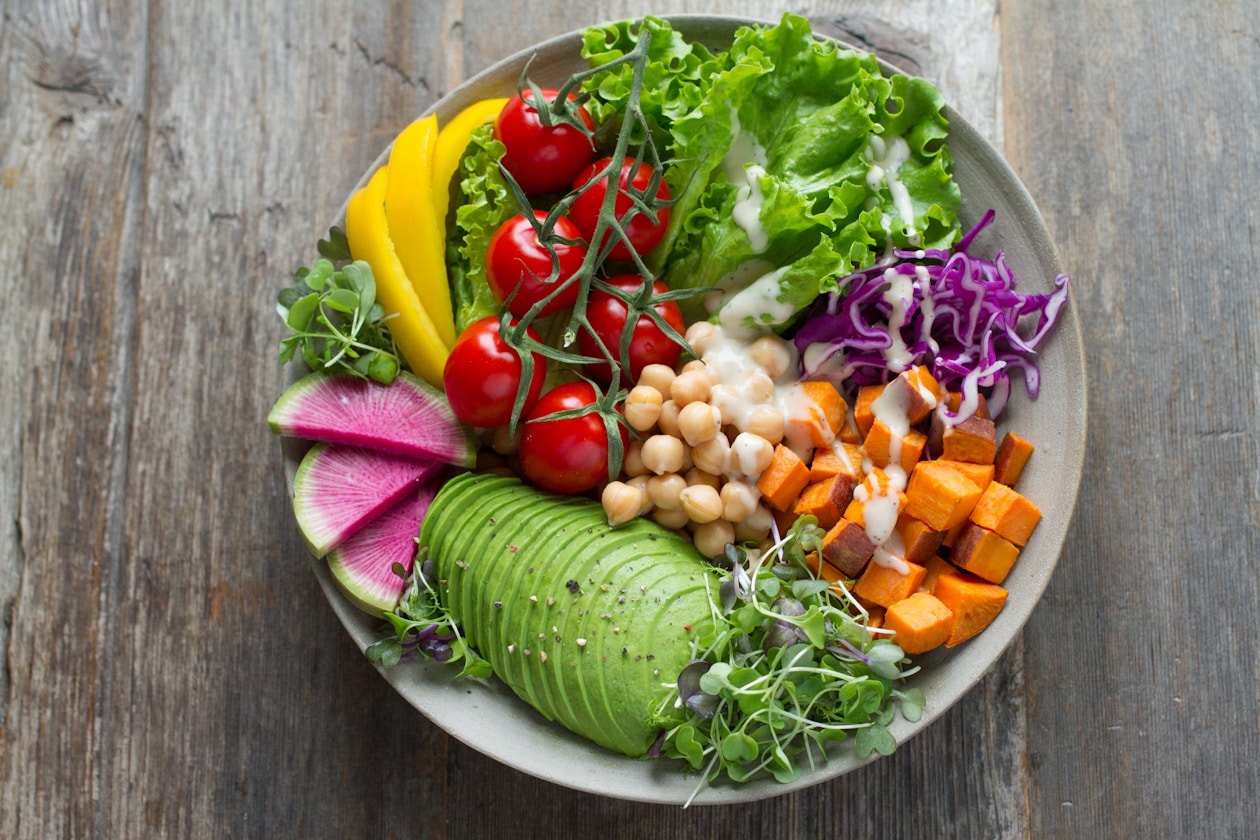
Healthy balanced meal with fresh vegetables, lean protein, and whole grains.
When I first decided I wanted to lose weight, I had no idea where to start. Every website promised me a miracle, every influencer had a “secret,” and honestly, it felt overwhelming. If you are reading this, you are probably feeling the same way.
The good news? Learning how to lose weight safely is not about perfection. It is about building habits you can actually live with. In this guide, I will walk you through what safe weight loss really looks like, what actually works, and what to avoid.
Medical note: This article is for general educational purposes only. It is not medical advice. If you have a medical condition, take medication, are pregnant, have a history of disordered eating, or are unsure what is safe for you, speak with a qualified healthcare professional before making changes.
Quick Answer
Safe weight loss means losing weight at a pace that supports your health, energy, and long-term habits. For most people, that is about 1 to 2 pounds per week through a combination of balanced eating, movement, and consistency.
It is not about starving yourself, cutting out entire food groups, or following extreme plans that promise results in 7 days. Sustainable weight loss comes from small, realistic changes you can repeat day after day.
Editor’s Pick
PhenQ Weight Management Formula
- – Multi-action formula supports metabolism and energy
- – Backed by science with a-Lacys Reset clinical study
- – 60-day money-back guarantee + free worldwide shipping
Check Price >
LIMITED TIME: Up to 20% Off + Free Shipping Worldwide | Offer Ending Soon
What Is Safe Weight Loss?
Think of safe weight loss like tuning a car. You would not rip out the engine to make it lighter. You would adjust the parts that need attention and let the system work as designed.
Safe weight loss is the same. It means creating a modest calorie deficit while keeping your nutrition, energy, sleep, and mental health intact. It is about losing fat while preserving muscle, staying hydrated, and avoiding the physical and emotional crash that comes from extreme restriction.
How Does Safe Weight Loss Work?
At its core, weight loss happens when your body uses more energy than you take in. But that does not mean you should eat as little as possible.
Your body needs protein, fiber, healthy fats, vitamins, and minerals to function. When you cut too aggressively, your metabolism can slow, your energy drops, and your cravings skyrocket.
Safe weight loss works by:
- Eating slightly fewer calories than you burn
- Prioritizing protein and fiber to stay full
- Moving your body regularly, even if it is just walking
- Sleeping 7-9 hours per night
- Managing stress, which affects hunger hormones
- Being patient and consistent
Results depend on your lifestyle, consistency, sleep, nutrition, activity, stress, and personal health history. There is no one-size-fits-all formula.
Potential Benefits of Safe Weight Loss
1. Better Energy Levels
When you lose weight safely, you are still fueling your body. That means you can keep up with work, workouts, and daily life without feeling exhausted.
2. Preservation of Muscle Mass
Extreme diets often burn muscle along with fat. A safe approach prioritizes protein and strength, helping you look toned, not just lighter.
3. Improved Habits That Last
The best part of safe weight loss is that the habits you build do not disappear when the diet ends. They become part of your routine.
Possible Downsides and Safety Notes
Even with safe weight loss, there are things to watch for:
- Loose skin: Rapid or large weight loss can leave loose skin. A slower pace gives your skin more time to adjust.
- Metabolic slowdown: Eating too little for too long can reduce your resting metabolic rate.
- Nutrient gaps: Cutting calories without planning can lead to deficiencies in iron, calcium, or B vitamins.
- Mental fatigue: Constantly obsessing over the scale can be draining. Focus on habits, not just numbers.
Who Might Benefit From Safe Weight Loss?
This approach is great for:
- Beginners who feel overwhelmed by extreme diets
- People who have tried crash diets and regained the weight
- Anyone who wants to improve health markers like blood pressure or cholesterol
- Busy people who need a flexible plan
It may not be the best fit for:
- People with eating disorders or a history of disordered eating
- Those with medical conditions that require supervised plans
- Anyone looking for instant results
How I Would Approach Safe Weight Loss
If I were starting today, here is exactly what I would do:
Step 1: Start With the Basics
I would focus on protein at every meal, add vegetables to my plate, drink more water, and cut back on liquid calories like soda and sugary coffee drinks. These four changes alone can make a huge difference.
Step 2: Track One or Two Things
I would not track every bite. Instead, I might log my meals for three days to see where calories are sneaking in, or track my daily steps to set a baseline.
Step 3: Adjust Slowly
Once I know my starting point, I would make one small change per week. Maybe that is adding a 20-minute walk after dinner, swapping chips for nuts, or drinking water before meals.
Step 4: Pay Attention to Your Body
Energy, mood, hunger, digestion, sleep, performance, cravings, and stress all tell you whether your plan is working. If you are constantly tired or irritable, your approach is too aggressive.
Quick Comparison Table
| Factor |
What to Know |
| Best for |
Beginners and anyone tired of extreme diets |
| Main benefit |
Sustainable habits without burnout |
| Biggest limitation |
Results are slower than crash diets |
| Difficulty level |
Easy to Moderate |
| Time to notice changes |
2 to 4 weeks for energy; 4 to 8 weeks for visible changes |
| Safety note |
Consult a healthcare professional if you have medical conditions |
| Best paired with |
Walking, strength training, and meal planning |
| My take |
The only approach that actually lasts |
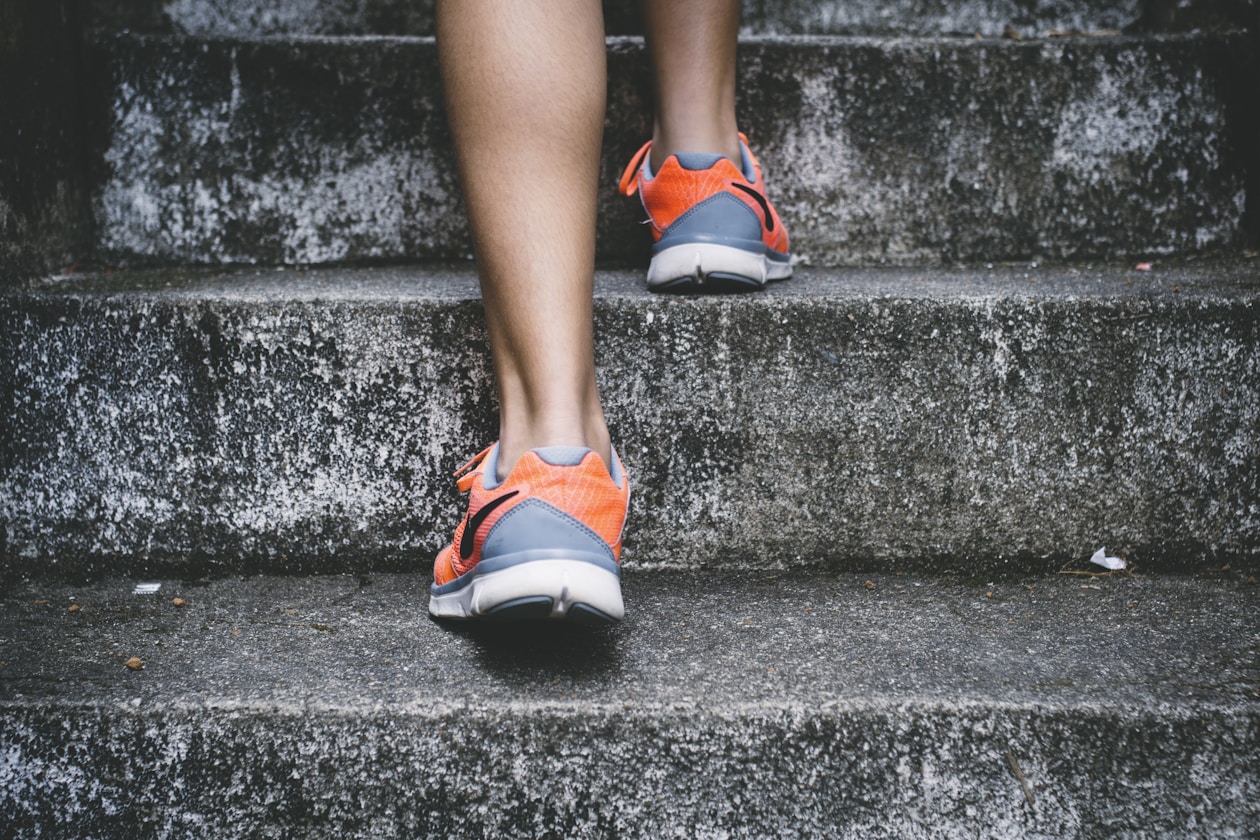
Walking is one of the easiest and safest ways to support weight loss.
Common Mistakes to Avoid
Mistake 1: Expecting Instant Results
Safe weight loss is not a 7-day transformation. It is a 6-month to 1-year journey. The slower it feels, the more likely it is to stick.
Mistake 2: Ignoring the Basics
People often skip the fundamentals: food quality, protein, movement, sleep, stress, and consistency. They want supplements and shortcuts instead.
Mistake 3: Going Too Extreme
Cutting out all carbs, eating 1,000 calories a day, or doing two-hour workouts sounds dedicated, but it is unsustainable. Extreme plans lead to burnout and regain.
Mistake 4: Comparing Yourself to Other People
Your body, schedule, genetics, and lifestyle are unique. What works for someone on social media may not work for you. Focus on your own progress.
Mistake 5: Trusting Marketing More Than Evidence
Be skeptical of anything that promises to “melt fat,” “detox your body,” or replace diet and exercise. If it sounds too good to be true, it usually is.
What Do Reviews or Experiences Say?
After researching hundreds of personal stories and client experiences, here is what I found:
Positive experiences often mention:
- Feeling more in control of food choices
- Having more energy within the first two weeks
- Enjoying meals instead of dreading them
- Maintaining results because the plan felt livable
Negative experiences often mention:
- Impatience and frustration with slow results
- Getting distracted by every new trend
- Giving up after one bad day instead of adjusting
The pattern is clear: the people who succeed are not the ones with the strictest plans. They are the ones with the most consistent ones.
Alternatives to Aggressive Dieting
| Alternative |
Best For |
Why It May Help |
| Calorie deficit meal planning |
People who like structure |
Gives clear daily targets without restriction |
| Intermittent fasting |
People who snack at night |
Creates a natural eating window |
| High protein focus |
People who are always hungry |
Protein keeps you full longer |
| Walking program |
People who hate the gym |
Low-impact, easy to start, great for mental health |
My Honest Verdict
If you are looking for a magic solution, safe weight loss will disappoint you. But if you are tired of starting over every Monday, this is the approach that works.
It is not flashy. It is not viral. But it is honest, sustainable, and it respects your body. I believe safe weight loss is worth it for anyone who wants results that last longer than a before-and-after photo.
Frequently Asked Questions
What is safe weight loss?
Safe weight loss means losing 1 to 2 pounds per week through balanced nutrition, regular movement, and sustainable habits. It avoids extreme restriction, crash diets, and promises of rapid transformation.
Does safe weight loss actually work?
Yes, but it works slower than extreme methods. The advantage is that the habits you build are sustainable, which means you are less likely to regain the weight.
Is losing 1 pound a week too slow?
Not at all. One pound a week equals 52 pounds in a year. That is a dramatic transformation, and it is far more likely to stick than a 30-day crash plan.
How long does it take to see results with safe weight loss?
Most people notice better energy and sleep within 2 weeks. Visible changes in clothing fit or the scale typically appear within 4 to 8 weeks.
What are the biggest mistakes with safe weight loss?
The biggest mistakes are impatience, comparing yourself to others, going too extreme, ignoring sleep and stress, and giving up after one bad day.
Related Guides
Final Thoughts
Learning how to lose weight safely is not about finding the perfect diet. It is about finding a plan that fits your life, your preferences, and your schedule.
It should make your health journey clearer, not more stressful. Focus on simple habits, consistency, and realistic expectations. You do not need to be perfect. You just need to keep going.